

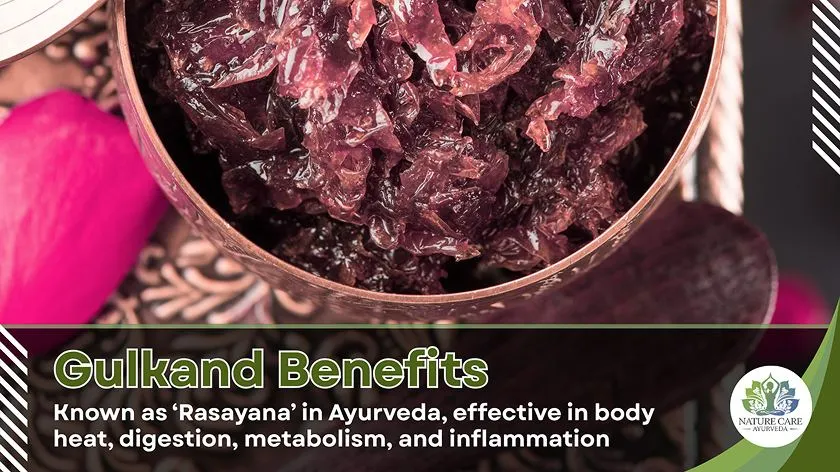
Gulkand, or Gulqnad, is a traditional Ayurvedic sweet preserve made by combining rose petals with dhaga mishri. It is widely popular in Ayurveda and other traditional medicinal systems.
Known as ‘Rasayana’ in Ayurveda, Gulkand is described as a Pitta-Shamak dravya. Even a few recent studies, as reported in PubMed, describe the antioxidant and other biological activities of dried rose petals or rose-derived compounds. However, the sugar content in gulkand still requires extensive studies to be proven beneficial.
This guide explains the nutritional profile, benefits, uses, side effects, and Ayurvedic and clinical evidence related to Gulkand Benefits.
What is Gulkand?
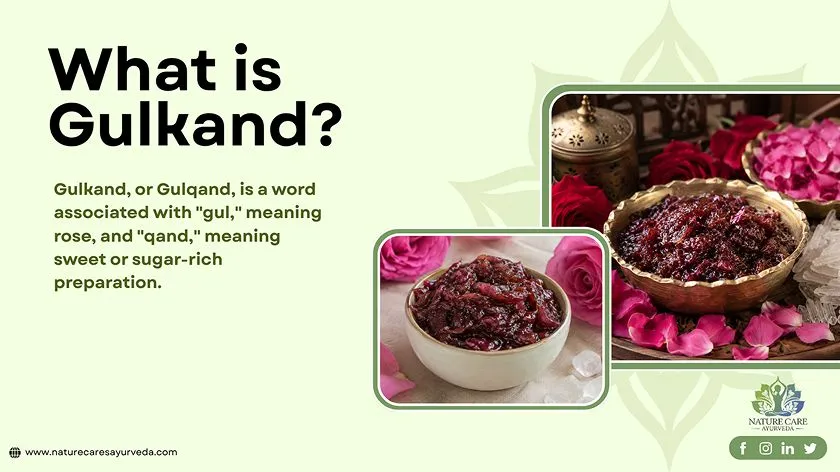
Gulkand, or Gulqand, is a word associated with “gul,” meaning rose, and “qand,” meaning sweet or sugar-rich preparation. It is made by slowly combining Damask rose (Rosa damascena) with dhaga mishri (rock sugar) or sugar.
To make the mixture for Gulakand, the sun-curing method is primarily used. In other words, the alternate layers of rose petals and sugar are placed in a glass container and exposed to sunlight for several weeks.
With this process, the natural aroma, flavor, and beneficial properties of rose petals are extracted, and it forms a thick, jam-like preserve.
Called “Rasayana,” Gulkand helps balance the Pitta dosha, the Ayurvedic principle associated with heat and metabolism.
The traditional Gulkand mixture may differ from the commercially sold Gulkand preparation in modern times because of the type of petals used, sugar content, preparation method, preservatives used, and storage conditions.
Note: Gulkand is not a low-sugar or healthy sweetener nor a sugar-free food. It is quite heavy on sugar, carbs, and calories.
22 Benefits of Eating Gulkand
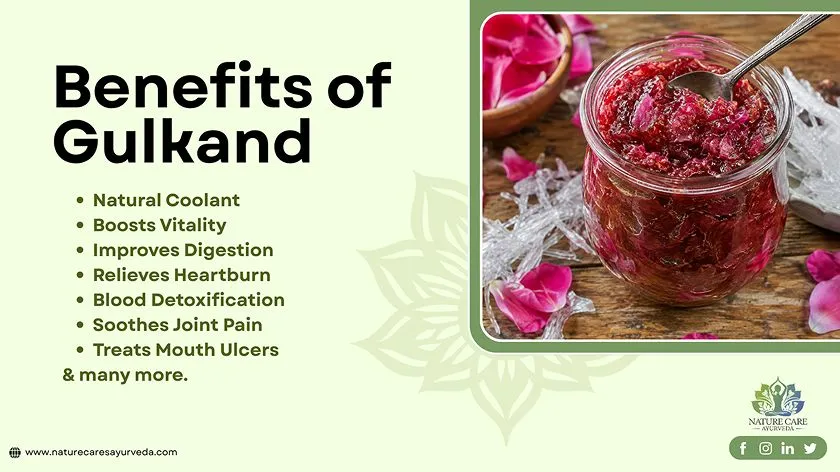
Gulkand is a well-known Rasayana in Ayurveda that offers rejuvenating properties to the body by regulating pitta dosha, which is related to body heat, digestion, metabolism, and inflammation.
Most of the therapeutic properties come from Damask rose (Rosa damascena) petals, while sugar is solely a preservative. Though rose gulkand all benefits are described only in Ayurvedic texts, clinical evidence is still limited.
1. Natural Coolant of Pitta Dosha
Gulkand is mainly used for its cooling potency, or Sheeta Virya. It pacifies the elevated Pitta that can cause excessive body heat, burning sensations, acidity, irritability, thirst, headaches due to heat, and heartburn. Thus, it is mainly consumed in summers to reduce the risk of heat-related issues.
2. Boosts Vitality and Immunity
This Rasayana helps promote vitality, strength, and overall well-being. The antioxidants present in rose petals help reduce oxidative stress and support immune functions.
3. Improves Digestion
Gulkand improves digestive functions without increasing gastric discomfort. People with acid-sensitive guts can mainly benefit from Gulkand consumption. It reduces bloating, heaviness, indigestion, and disrupted gut lining.
4. Relieves Heartburn and Acidity
As excess Pitta is the primary cause of hyperacidity and acid reflux, Gulkand, being a natural coolant, soothes the gastric irritation and deals with issues like chest burns, sour belching, and acid reflux.
5. Blood Detoxification (Rakta Shodhana)
Ayurveda considers Gulkand a Rakta Shodaka, meaning it supports healthy blood flow and detoxes accumulated impurities. Thus, it can help improve skin complexion, reduce inflammation, and promote tissue nourishment.
6. Relieves Constipation
Gulkand can act as a mild bowel regulator due to its moisture-retaining sugar compounds, small amount of fiber, and cooling tendencies. It can soothe bowel movements disrupted by dehydration, extreme bodily heat, and pitta imbalance.
7. Supports Acne and Blemish Fixes
Pitta and impure Rakta cause acne, pimples, redness, and skin inflammation, and by balancing the dosha Pitta and providing antioxidant support, Gulkand can support clearer skin and improved skin glow. However, it can only support and not replace clinical acne treatment.
8. Soothes Joint Pain and Burning Sensations
The burning sensation in palms, soles, or joints can occur due to high levels of body heat, and thus Gulkand’s cooling properties can help get rid of those. It can reduce heat-related inflammation and discomfort in joints.
9. Prevents Nosebleeds (Chronic Epistaxis)
Frequent nosebleeds mainly occur in hot weather due to excessive pitta and can be managed by the cooling benefits of Gulkand. It reduces internal heat and heat-induced nasal bleeding. But severe bleeds need to be medically evaluated.
10. Treats Mouth Ulcers
Recurring mouth ulcers are also related to body heat and acidity. Thus, Gulkand’s cooling and soothing properties can reduce oral burning, support healing, and prevent ulcers of all kinds.
11. Uterine Tonic
Some Ayurvedic practitioners consider Gulkand a gentle uterine tonic that supports tissue nourishment (Artava Dhatu). It is commonly used by women with body heat, but it is not a replacement for treatments for uterine issues.
12. Menstrual Health Support
Gulkand reduces menstrual discomfort due to high body heat. It is also suitable for women with mood swings and irritability, excessive thirst, or burning sensations during their menstrual cycle. Its calming and soothing properties contribute to overall menstrual well-being.
13. Heart Support or Reduced Palpitations
Ayurveda describes Gulkand as Hridya, meaning it benefits heart and cardiac health. It can calm heat-related palpitations, emotional restlessness, and unusual thirst. Rose petals consist of flavonoids and phenolic compounds with antioxidant activities.
14. Restorative Sleep Properties
The pleasant aroma of rose petals is associated with relaxation and emotional balance. A few clinical studies on rose preparations suggest that roses can improve sleep quality and reduce anxiety. Consuming Gulkand before bedtime promotes peaceful and restorative sleep.
15. Protection Against Heatstroke
One of the most popular benefits of eating gulkand is protecting the body from heatstroke. Gulkand can maintain hydration in the body and alleviate symptoms such as thirst, fatigue, dizziness, and exhaustion.
16. Rich in Powerful Antioxidants
Rose petals are rich in polyphenols, flavonoids, anthocyanins, tannins, gallic acid, and ellagic acid, which are potent antioxidants. These components neutralize free radicals, reduce oxidative stress, and protect cells from damage.
17. Enhances Eye Health
Ayurveda believes healthy vision is closely linked to balancing Pitta. Gulkand can relieve eye strain, burning eyes, and dryness caused by excessive heat. The presence of antioxidants can contribute to ocular health.
18. Regulates Appetite
By supporting digestive balance and reducing gastric heat, Gulkand can help in normalizing appetite in individuals with acid-sensitive digestion.
19. Relieves Hemorrhoidal Pain and Bleeding
Constipation and excessive body heat are main reasons for hemorrhoids. By promoting smooth bowel movements and softening stools, Gulkan can control pain, irritation, and minor bleeding associated with piles.
20. Combats Lethargy and Fatigue
Being a rejuvenating Rasayana, Gulkand is known to restore energy and reduce fatigue. The sugar content releases carbohydrates for quick energy, and antioxidants in roses can combat oxidative stress.
21. Fortifies Hair and Skin
Healthy skin and hair are reflections of purified Rakta and balanced Pitta or Tridosha. The antioxidant phytochemicals can regulate internal heat, promoting a clear complexion, healthier skin, and stronger hair.
22. Natural Probiotic
The sun-cured Gulkand goes through mild natural fermentation during the preparation. It encourages the growth of beneficial microorganisms, thus producing natural probiotic tendencies in the body.
Nutritional Profile of Gulkand
The nutritional composition of Gulkand depends on the amount and type of roses and sweetener used. The normal or approximate nutritional value of every 100 grams of Gulkand.
| Component | Information |
| Main ingredients | Rose petals and sugar |
| Primary micronutrient | Carbohydrate (mainly from sugar) |
| Bioactive compounds | Polyphenols, flavonoids, and other rose-derived phytochemicals |
| Ayurvedic Classification | Sheeta virya (cooling); Madhura rasa (sweet); Pitta-shamaka (pitta-pacifying) |
| Energy | 303 kcal |
| Carbohydrate | 72.21 g |
| Protein | 1.34 g |
| Fats | 0.82 g |
| Sugar | 55.69 g |
Active Compounds in Gulkand
The biological compounds in Gulkand mainly come from rose petals, and dhaga-mishri, or sugar, acts as just a preservative or sweetener.
| Compound | Source | Characterstics |
| Phenolic compounds | Rose petals | Antioxidant and neutralizes free radicals |
| Flavonoids (Quercetin, kaempferol, and Rutin) | Rose petals | Antioxidant, anti-inflammatory, and cell-protective properties. |
| Anthocyanins | Rose petals (darker varieties) | Antioxidant effects and pigments |
| Gallic acid | Rose petals | Antioxidant and antimicrobial activity |
| Ellagic acid | Rose petals | Antioxidant and cellular protection properties |
| Tannins | Rose petals | Astringent and antioxidant |
| Vitamin C (Ascorbic acid) | Fresh rose petals | Immunity booster and antioxidant |
| Essential oils (Citronellol, Geraniol, Nerol) | Rose petals | Antioxidant |
| Natural sugars (glucose, fructose, sucrose) | Rose petals and dhaga mishri | Energy, taste, and preservation |
| Minerals (Potassium, Calcium, and Magnesium) | Rose petals | Supports normal physiological functions |
Recommended Gulkand Dosage
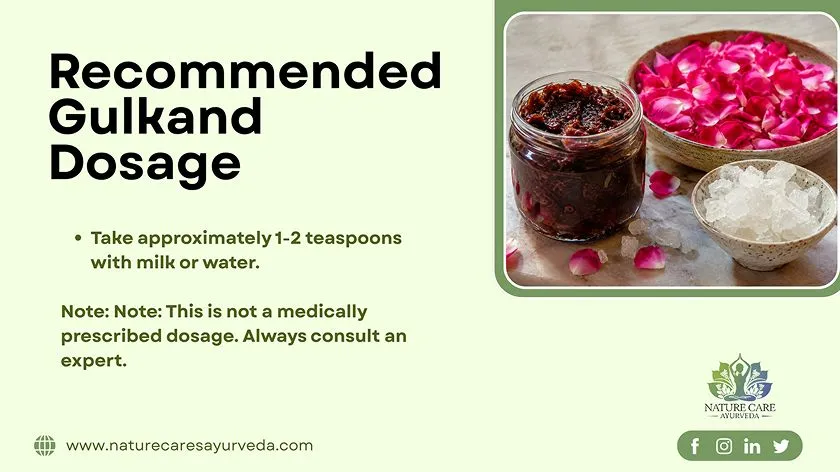
No evidence establishes a particular recommended dosage. However, it is suggested to consume a small serving of the product.
Take approximately 1-2 teaspoons with milk or water.
Note: This is not a medically prescribed dosage; it is only meant as a food-serving portion that can vary according to consumers’ taste, preferences, and sugar intake limits.
Gulkand Uses: Simple Recipes for Daily Life
Gulkand is quite versatile and can be enjoyed simply and deliciously. It adds floral flavor to beverages, desserts, and breakfast dishes. Only 1-2 teaspoons per serving are enough to create a delectable Gulkand treat.
Recipe 1: Gulkand Milk
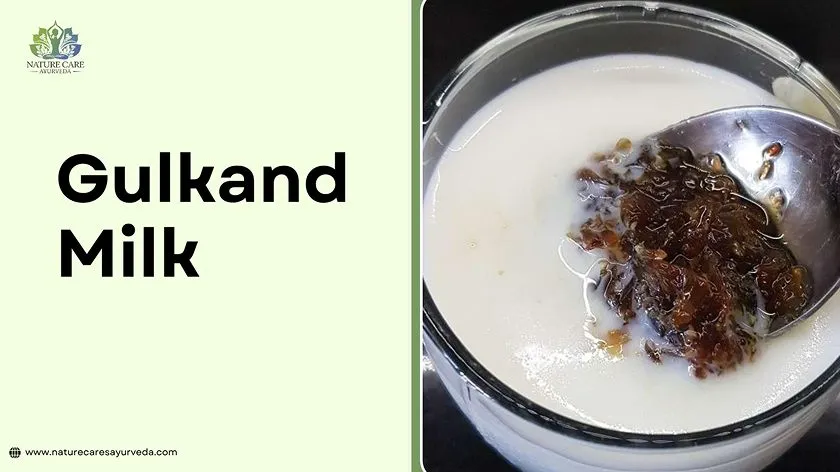
It is the classic formulation often consumed at bedtime on summer days.
Stir the Gulkand well into the milk, and garnish with dry fruits like pistachios and almonds if desired. Adding one pinch of cardamom powder is optional.
Recipe 2: Gulkand Lassi
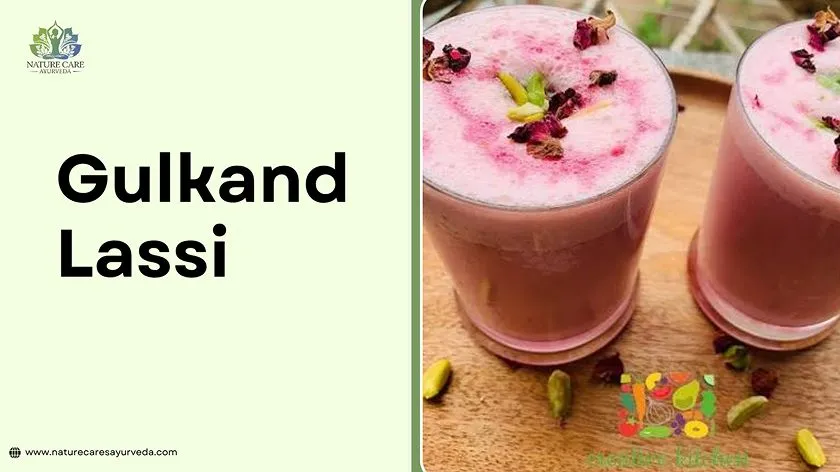
It is a refreshing probiotic drink best for summer afternoons to deal with scorching heat. The cooling effects of both yogurt and Gulkand will reduce body heat.
Add one cup of plain yogurt, 2 teaspoons of gulkand, chilled water, and ice cubes, blend everything, and serve when smooth and chilled.
Recipe 3: Gulkand Smoothie
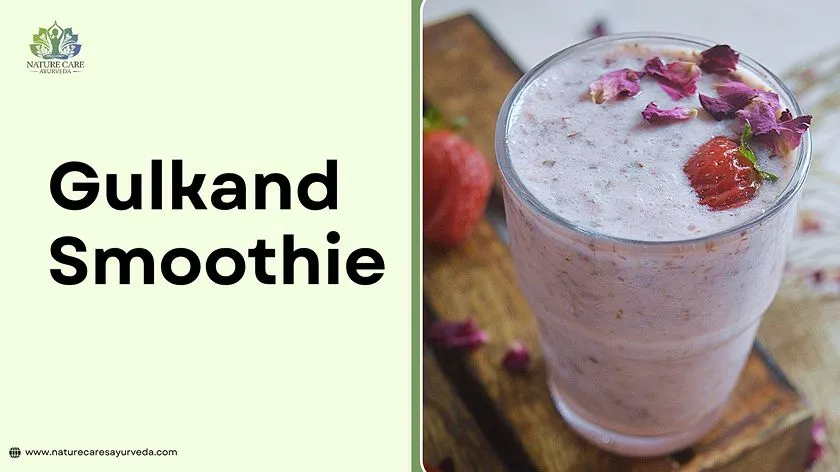
To prepare this nutritious smoothie with a floral twist, add 1 banana, 1 cup of milk of your choice, 1 teaspoon of gulkand, 4-5 soaked almonds, and ice cubes.
Blend all the ingredients in a blender until creamy and enjoy. Do not store it for a long time.
Recipe 4: Gulkand Oatmeal
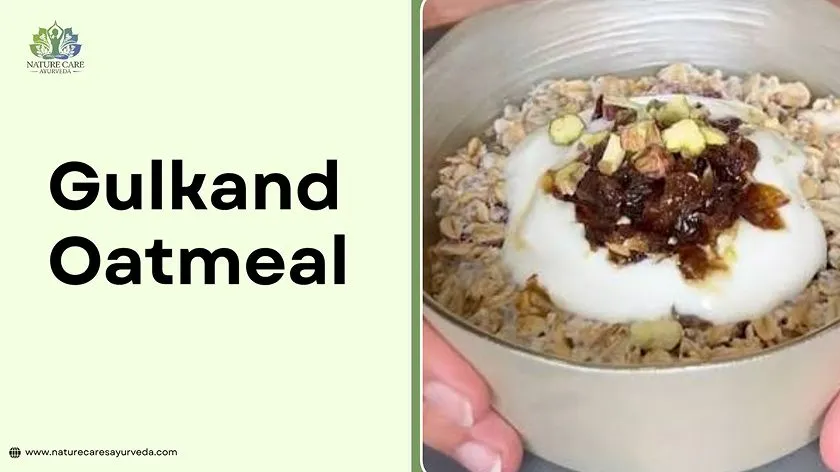
For a wholesome breakfast with the benefits of Gulkand, add 1 cup of cooked oats, 1 teaspoon of Gulkand, chopped almonds, walnuts, or pistachios, and fresh berries (optional).
Stir Gulkand into warm oatmeal and garnish with nuts and berries.
Recipe 5: Gulkand Falooda
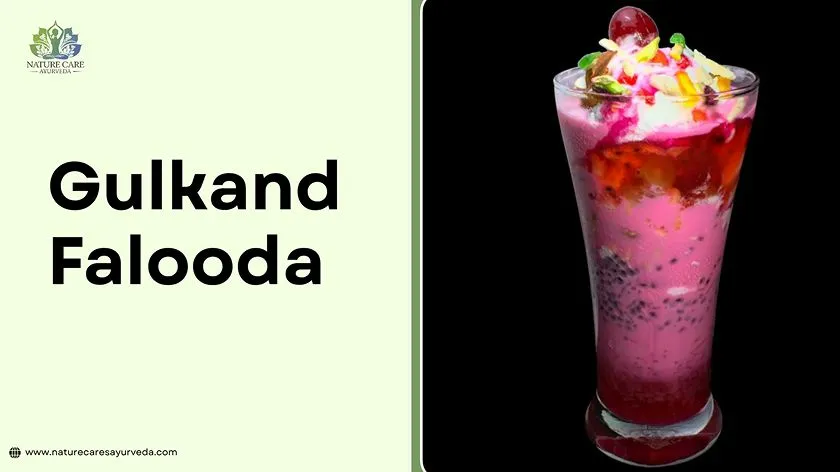
Falooda is a popular Indian dessert drink that’s best suited for summers. Just add one tablespoon of Gulkand, 1 cup of chilled milk, cooked Falooda (noodles), soaked basil seeds, and kulfi.
Layer all these ingredients in a tall glass or jar and serve chilled.
Recipe 6: Gulkand Paan
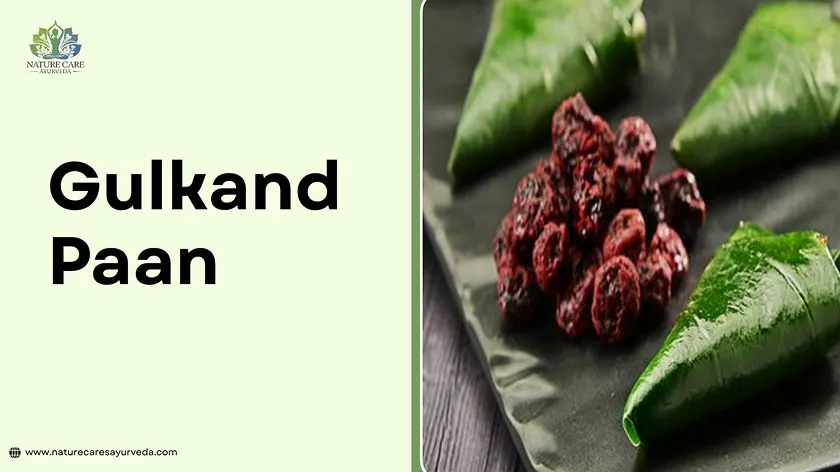
It is a traditional digestive and mouth freshener.
Take a fresh betel leaf, apply 1 teaspoon of Gulkand, fennel seeds, and grated coconut (optional), and after filling the betel leaf, fold the leaf in a paan shape and enjoy.
Gulkand Benefits: Some Ayurvedic Evidence
Here is the Ayurvedic evidence that can support the claims of Gulkand being beneficial, but the scientific studies are quite limited. Here are some Ayurvedic studies to have a look at.
Claim 1: Balances Pitta and Has Cooling Effects
Evidence
It is a traditional Ayurvedic claim; there is no clinical evidence, but some studies may have stated these effects.
Supporting Study
Edible rose flowers: A doorway to gastronomic and nutraceutical research
Claim 2: Relieves Constipation
Evidence: Traditional use is well-documented, but no randomized controlled trials are evaluating Gulkand for constipation.
Supporting Study:
Chemical constituents, experimental and clinical pharmacology of Rosa damascena: a literature review
Claim 3: Improved Digestion
Evidence: Traditional evidence is available, but no studies have directly tested Gulkand for digestive health.
Supporting Study
Edible rose flowers: A doorway to gastronomic and nutraceutical research
Possible Side Effects of Gulkand
Though the primary use of Gulkand is as a food product, excessive intake can often cause problems and difficulties in certain people. Some of these are described below:
- High Sugar Intake
Traditionally, Gulkand is made with sugar, and overconsumption of Gulkand can significantly increase total sugar to increase in quantity and lead to a higher calorie intake.
- Blood Sugar Concerns
People suffering from diabetes or prediabetes should be especially careful with the usage of Gulkand, as it is a sugar-based product, which can negatively affect blood glucose levels.
- Digestive Problems
Some people have reported feeling digestive discomfort after consuming large quantities of Gulkand, as well as bloating and loose stools.
- Allergic Reactions
Although rare, Gulkand may cause allergic reactions in those who face increased sensitivities to rose or other ingredients in the particular commercial product.
- Additional Ingredients
The label should always be examined, as some packaged products tend to contain additional sweeteners, flavoring agents, preservatives, or other ingredients.
Precautions with Gulkand Consumption
Here are the precautions to keep in mind before adding Gulkand to your diet:
- Check the added sugar content while purchasing a packaged gulkand product. If you are making it at home, try to keep it less sugary, or you can use a sweetener of your preference.
- People with diabetes or prediabetes should seek professional advice before consuming.
- Do not consume large quantities of gulkand because it is naturally made.
- Use food-grade rose petals when making gulkand at home.
- Pregnant, breastfeeding, or taking medications for chronic conditions.
- Stop taking Gulkand immediately if you experience any signs of an allergic reaction.
- Not all “sugar-free” products may have other artificial sweeteners. Always check the complete ingredients list and nutritional label rather than relying on the “sugar-free” claim.
Conclusion
Gulkand is a traditional rose-petal and sugar concoction that is highly valued in Ayurveda. With its cooling and soothing properties, it is best used in summer. However, there is no or quite limited clinical evidence for specific health benefits. Therefore, Gulkand should be viewed more as a sweet traditional treat instead of a treatment for medical conditions.
FAQs
Q1: What is gulkand made of?
Ans: Gulkand is made by combining rose petals and sugars. Some commercial products may contain additional ingredients, so it is important to check the label before buying.
Q2: What are the main benefits of Gulkand?
Ans: Gulkand is cooling and soothing and is often known for its digestive and bowel-supporting properties. The presence of antioxidant compounds supports overall well-being.
Q3: Can we consume Gulkand daily?
Ans: Some people may consume a small amount of gulkand daily, but you need to consider the sugar content. Overconsumption can cause issues for people with diabetes and prediabetes and other dietary restrictions.
Q4: Is Gulkand good for weight loss?
Ans: Gulkand is not a weight-loss food and does not have any fat-burning properties. However, it has a significant amount of sugars, which can actually increase the calorie intake if you are following a specific diet.
Q5: Is Gulkand good for skin?
Ans: Rose petals containing antioxidants and other bioactive compounds can improve skin health. However, there is no clinical evidence available regarding the same benefits.
Sources: