

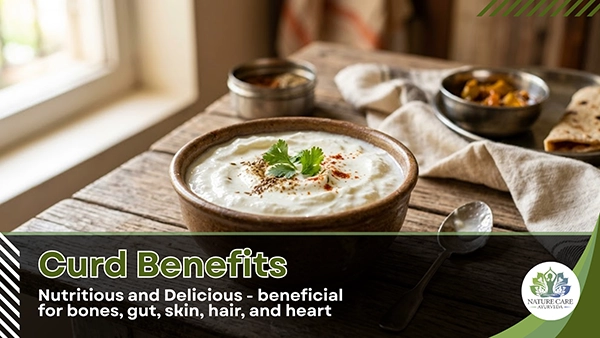
Curd or dahi is a highly nutritious and delicious ingredient in our kitchen. From an Ayurvedic perspective, it is a healing food that helps prevent many enteric diseases. With its deepan (appetizing), ruchiprada (taste-enhancing), and vata-dosha-balancing properties, curd benefits heart health and supports weight loss.
If you want to know the advantages of curd consumption for your health, the best time to consume it, and its potential side effects, read this article, which includes all the necessary information about this “wonder food.”
Quick Answer
Curd is beneficial for bones, gut, skin, hair, and heart. It also helps with weight loss and enhances mood. It’s safe to eat 200-400 g of it daily for most people at lunchtime.
What are the Health Benefits of Curd?
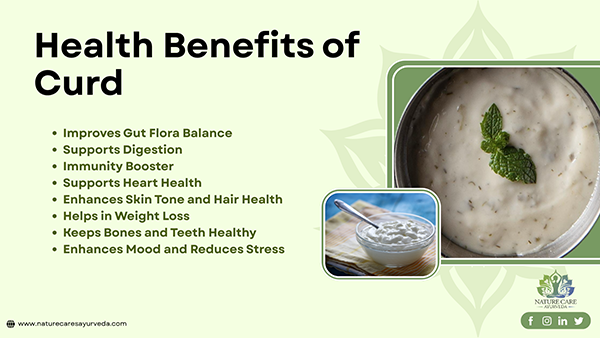
Curd benefits are not limited to cooling the digestive system after meals; it also supports skin, enhances mood, and strengthens immunity. Also, it can be consumed by people who are lactose intolerant or allergic to milk.
Here are the vital curd health benefits for your health:
1. Improves Gut Flora Balance
Dahi contains Lactobacillus and other beneficial bacteria that naturally restore a healthy balance of the gut flora. In this way, it improves digestion and decreases the growth of harmful microbes in the gut. Lactobacillus is responsible for digestion in the small intestine and also produces vitamin K. As a source of this bacterium, curd may also provide relief in dysentery.
2. Supports Digestion
Benefits of eating curd are commonly associated with supporting digestion in Ayurveda. It has deepan (appetiser), ruchiprada (enhancing taste), and vataghna properties. With this, curd with sugar helps break down food easily, improves nutrient absorption, and decreases the heaviness after meals.
Modern Research
A study by the National Center for Biotechnology Information highlights that curd intake within a balanced diet improved some subjective markers of gastrointestinal status.
3. Works as an Immunity Booster
Dahi benefits in strengthening immunity due to its lactic acid bacteria. It stimulates the agni (digestive fire), nourishes the dhatus (body tissues), and builds ojas (essence of immunity). Strong immunity helps protect us from many diseases.
Modern Research
According to a study by the National Center for Biotechnology Information, curd and leaf protein concentrate (LPC) may have therapeutic value in immune recovery when they are added to the diet of malnourished children.
4. Supports Heart Health
Curd can reduce the creation of cholesterol in the arterial region; this benefits the prevention of hypertension and high blood pressure. So, it helps control the level of cholesterol in the body and maintain healthy heart health.
5. Enhances Skin Tone and Hair Health
By balancing the doshas and providing dhatu poshana (deep tissue nourishment), curd benefits the skin. By balancing the vata dosha, it helps in providing deep hydration to the skin. Besides consumption, it is an effective way to enhance the beauty of skin care.
Benefits of curd on the face include fading away scars, with its nutrients like zinc, phosphorus, and vitamin E. It may also help treat acne, and the lactic acid can dissolve dead skin cells. Due to having antifungal and antibacterial properties, it soothes the itchy scalp and clears stubborn flakes.
Modern Research
According to a study by the National Center for Biotechnology Information, fermented dairy products may provide benefits for skin. However, it highlights that the existing studies are limited, and further studies are important to assess the efficacy.
6. Helps in Weight Loss
Curd is helpful for weight loss by providing high protein to keep you full. It also has probiotics to improve digestion and works as a cortisol inhibitor. Cortisol is the stress hormone in our body that signals the storage of fat, especially in the belly area.
Calcium helps prevent cortisol formation and supports fat metabolism. With this, it helps limit unnecessary snacking and preserve muscle while you cut calories.
7. Keeps Bones and Teeth Healthy
Curd has calcium and phosphorus, which are beneficial for making bones and teeth stronger. Calcium is considered the building block of bones, and phosphorus works with it to improve bone strength. It is also believed to be helpful in issues like osteoporosis and arthritis.
8. Enhances Mood and Reduces Stress
The gut is considered the “second brain”, and Ayurveda also views the gut as the foundation for mental clarity. One of the lesser-known curd benefits is its ability to help reduce anxiety and stress.
It is guru (heavy) in nature, which counters the cold nature of the aggravated vata that causes mental stress. This also reduces cortisol, which is the stress hormone, and promotes gut health, making you feel calmer and more focused.
Modern Research
A 2025 study by the Journal of Neonatal Surgery concludes that regular consumption of curd significantly reduces stress and improves mental well-being. It also supports its potential role as a simple psychobiotic dietary intervention.
Nutritional Value and Ayurvedic Properties of Curd
In plain whole milk curd, you may expect various nutrients like protein, carbohydrates, and fat. It is famous in the Ayurvedic system due to its vata-balancing nature and guru quality.
Let’s take a closer look at its nutritional value and Ayurvedic properties:
Nutritional Composition of Curd (100g)
| Nutrient | Value |
| Calories | 60-98 kcal (depending on the milk fat) |
| Protein | 3.47 g |
| Total fat | 3.25 g |
| Carbohydrates | 4.66 g |
| Calcium | 121 mg |
| Vitamin A | 27 mcg |
| Sodium | 46 mg |
| Potassium | 155 mg |
| Iron | 0.05 mg |
Ayurvedic Properties of Curd
| Property | Action |
| Rasa (taste) | Amla (sour) |
| Virya (energy) | Ushna (hot) |
| Vipaka (post-digestive effect) | Amla (sour) |
| Guna (qualities) | Guru (heavy) |
| Dosha Impact | Balances Vata dosha and aggravates Kapha and Pitta dosha |
Best Time to Eat Curd and How Much to Have
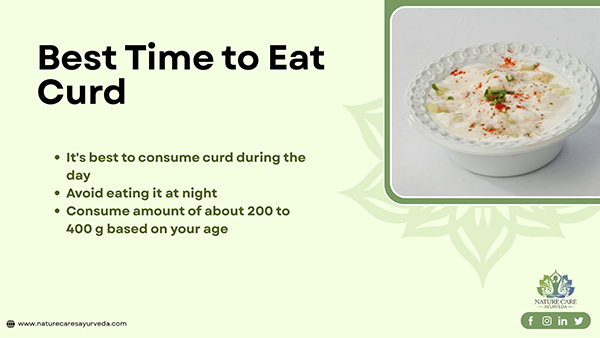
In any Ayurvedic ingredient, “when” you eat is equally important to “what” you eat. It’s best to consume curd during the day and avoid eating it at night, in an amount of about 200 to 400 g based on your age.
It’s also recommended to eat curd during the winter season due to its heating nature. Avoid curd in empty stomach because high stomach acid can destroy the probiotics.
Here is the recommended dosage and best time to consume dahi:
How Much Curd Should You Eat?
| Healthy adults | 200-400 g (about 1-2 cups) per day |
| Children | 100-200 g per day |
| Older adults | 300-400 g per day |
Best Time to Consume Dahi
- Daytime: The ideal time to consume curd is at lunch. At this time, digestion is strongest, and probiotics work better. It also aids the digestion of heavy meals.
- Night: You should avoid consuming curd at night if you have frequent coughs and colds. Also, if you are prone to mucus or sinus issues and have weak digestion at night.
- Empty Stomach: Avoid consuming dahi on an empty stomach. The high stomach acid can destroy the probiotics and cause acidity and bloating.
Why Include Curd in Your Winter Diet? (Hemanta & Shishira Ritu Perspective)
- During this season, curd helps maintain body warmth and prevents cold-related sluggishness.
- In this season, the digestive fire is believed to be stronger, which helps in digesting heavy foods like curd easily.
How to Consume Curd in the Right Way?
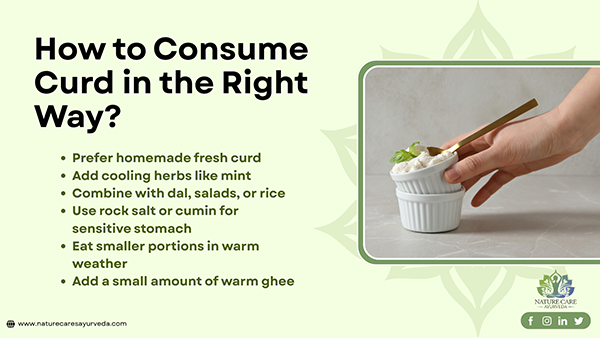
For maximum benefits, prefer using homemade curd, not processed yoghurt. Combine it with daily lunch meals, adding rock salt or cumin. There are many delicious recipes made with curd, like raita and buttermilk, that you can try.
Let’s see some tips to consume curd rightly before moving on to some healthy recipes:
- Prefer consuming homemade fresh curd, not aged or tart.
- Add cooling herbs like mint, coriander, or fennel to balance the heating nature.
- Combine with dal, salads, or rice for easy digestion.
- In warm weather seasons, decrease the frequency and eat smaller portions.
- Individuals with a sensitive stomach can spice it up with rock salt or cumin.
- If you like ghee, you can add a small amount of warm ghee to it.
Did you know?
It’s contraindicated in Ayurveda to have curd and fish together. This is an example of viruddha ahara (incompatible food) that leads to skin or gut disturbances.
Best Traditional Curd Recipes
- Turmeric + Hing + Dahi Concoction
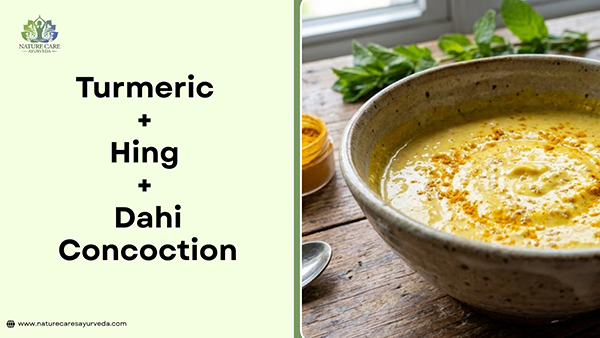
It is traditionally used to help with mild gastrointestinal disturbances. Here are the steps to follow to make it:
- Take 2 tablespoons of fresh curd, ¼ teaspoon of turmeric powder, a pinch of hing (asafoetida), a few curry leaves and a cup of water.
- Mix all the ingredients in a small pot. Boil it briefly and sip it warm in small quantities.
Note: Avoid boiling the curd heavily, as it loses its probiotic value through this.
- Amla + Coconut + Dahi Raita
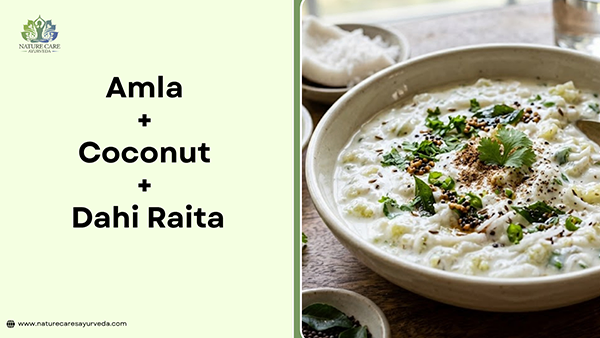
Amla, or Indian gooseberry, adds a sour-sweet effect that prevents curd from aggravating heat. Here are the steps to follow to make it:
- Take 200 ml dahi, 1 finely chopped amla, 3 tablespoons of grated coconut, 2 small green chillies, a pinch of salt, a tablespoon of coconut oil, ½ teaspoon of mustard seeds, and a few curry leaves.
- Lightly sauté the mustard seeds, curry leaves, and chopped amla in coconut oil for a minute.
- Whisk the curd, grated coconut, and salt together.
- Add the dahi mix to the cooked amla mix.
- Ayurvedic Spiced Buttermilk (Takra)
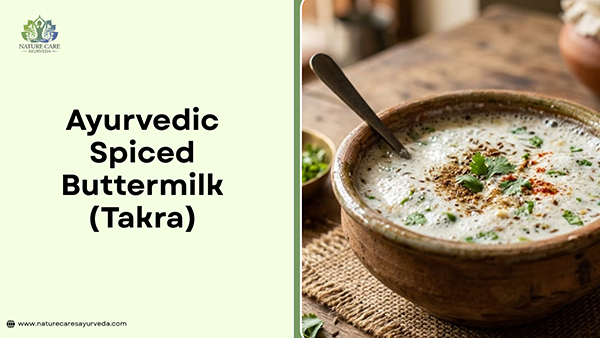
In Ayurveda, takra is considered amrita (nectar) because churning curd with water makes it lighter to digest. It is believed to be deeply healing for the gut. Here are the steps to follow to make it:
- Take ½ cup of homemade curd, 2 cups of water, ¼ tablespoon of roasted cumin powder, a small pinch of rock salt, a pinch of black pepper, and a few mint leaves.
- Add curd and water to the vessel and churn for 2 minutes until it’s well combined.
- Mix cumin, rock salt, and pepper into it.
- Garnish with herbs and drink fresh.
Forms of Curd and Their Effects
The qualities of curd differ on the basis of its forms. Some of the forms include sweet curd, acidic curd, cow curd, and buffalo curd, which have different health effects.
| Forms | Effects |
| Sweet Curd | Balances vata and pitta dosha and aggravates kapha dosha. |
| Acidic Curd | Balances vata dosha and aggravates pitta and kapha dosha. |
| Cow Curd | Unctuous in nature and sweet in the final digestion stage. Alleviates vata dosha and stimulates the digestive fire. |
| Buffalo Curd | Has aphrodisiac properties and has a sweet effect in the final stage of digestion. It pacifies vata and pitta but aggravates kapha dosha. |
| Goat Curd | Lighter and easier to digest. Balances the tridosha. |
| Greek Yoghurt | It has lactose as the whey is removed. This is higher in protein than the curd. It balances vata and pitta but increases kapha dosha. |
| Matsu | This is the liquid part of the curd. It pacifies pitta and vata dosha and is believed to purify the srotas (minute channels of the body). |
| Curd with Cream | It has a fatty layer that is considered heavy and difficult to digest. |
| Curd without Cream | When the layer of fat is absent, it increases vata dosha due to its dry nature. It stimulates digestive fire but can cause constipation. |
Possible Side Effects of Curd
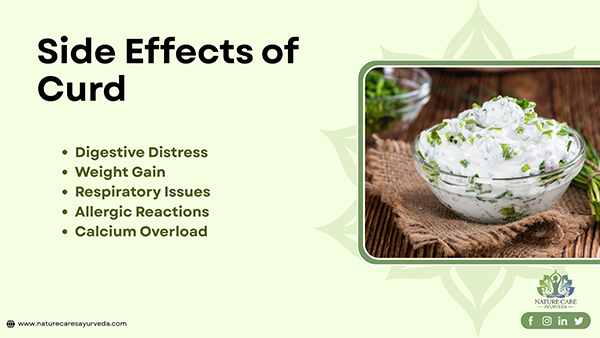
Undoubtedly, curd is beneficial for health, but excessive intake may lead to side effects like bloating, weight gain, allergic reactions, and respiratory issues. It’s important to practise caution if somebody already has lactose intolerance, kidney issues, or milk allergies.
- Digestive Distress: Lactose-intolerant people may experience digestive issues like diarrhoea, bloating, and stomach cramps. Individuals who are suffering from irritable bowel syndrome (IBS) may find curd too heavy, leading to discomfort rather than relief.
- Weight Gain: Too much consumption of full-fat curd can lead to weight gain over time, especially if combined with a sedentary lifestyle.
- Respiratory Issues: Dahi consumption is associated with increased mucus production. That may worsen conditions like asthma and chronic sinusitis, especially when consumed at night.
- Allergic Reactions: Some people are allergic to the dairy elements and proteins such as casein, which can cause reactions like swelling, breathing difficulties, itching, and rashes.
- Calcium Overload: While calcium is good for bones, too much of it can also lead to different health issues. Excessive consumption of curd can lead to kidney stones, particularly in those individuals predisposed to calcium oxalate buildup.
Final Words
Curd is a true “wonder food” for our health. From improving skin and hair and aiding digestion to keeping the bones and teeth healthy, curd benefits are extensive and science-backed. But it’s important to note that it shows the best results when eaten correctly in the right season and at the right time.
FAQs
Q1: Is curd good for health?
Ans: Yes! It is especially beneficial for gut health. Apart from that, it also enhances skin tone, reduces dandruff, and supports heart health.
Q2: Is curd good for weight loss?
Ans: Yes! It is high in protein, which helps to keep you full, and rich in calcium to aid metabolism. This ultimately supports weight loss. Eat in moderation as part of a calorie-controlled diet for the best results.
Q3: Is it okay to eat dahi every day?
Ans: Yes! About 200-400 g of curd is safe to eat every day for most people. Avoid eating it if you have milk allergies and lactose intolerance.
Q4: Should I avoid dahi during a cold?
Ans: Yes! Ayurveda recommends avoiding dahi consumption during a cold because it increases mucus.
Q5: Is homemade dahi better than store-bought?
Ans: Homemade dahi is considered better than the store-bought one because it contains more active probiotics. It also does not have any thickeners or preservatives.
Sources: