

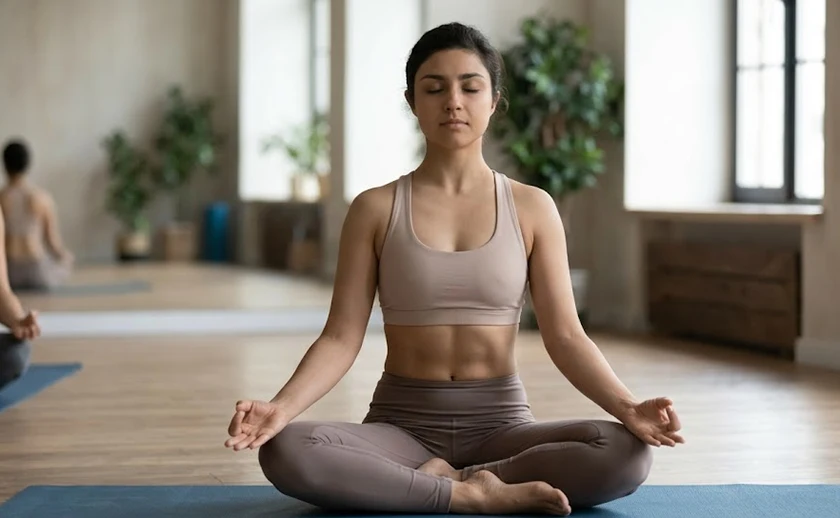
Kapalbhati, or skull-shining breath, is a powerful yogic breathing technique that is focused on rapid exhalations and passive inhalations. This is one of the types of pranayama that is well-known for its detoxifying and energizing effects. When practiced regularly, kapalbhati may improve lung function, digestion, and mental clarity.
To learn more about this rhythmic breathing pattern, read on to understand the correct steps to practice, benefits, and safety guidelines.
Quick Answer
Kapalbhati is a yogic breathing technique that is focused on rapid exhalations and passive inhalations. It benefits the respiratory system, mental well-being, and digestion. Kapalbhati benefits also include strengthening the abdominal muscles, balancing the nervous system, and improving cardiovascular health. There are some side effects of this technique, like dizziness, headaches, increased heart rate, and abdominal strain.
What is Kapalbhati?
Kapalbhati is derived from the two Sanskrit words “kapal”, which translates to “skull,” and “bhati”, which means “shining”. Together, the term becomes “shining skull”, symbolizing improved brain function and mental clarity. This is both pranayama (breathing technique) and kriya (cleansing practice). Kapalbhati involves forceful exhalation and passive inhalation.
Kapalbhati Pranayama Benefits
Kapalbhati, as a cleansing practice (shuddhi kriya), is also known to be a frontal brain purification technique. It improves respiratory health, promotes skin glow, and strengthens the abdominal muscles. Kapalbhati ke labh also involves balancing the nervous system and boosting metabolism.
Let’s see the benefits of kapalbhati in detail:
1. Enhances Respiratory Efficiency
Kapalbhati pranayam benefits the respiratory system as it enhances lung capacity and strengthens muscles. In this technique, the focus is on the forceful exhalations and passive inhalations. If done regularly, it can clear the respiratory tract and expel stale air and toxins.
This is effective in sinus treatment, helping with sinus-related congestion and headaches. It is also considered helpful in maintaining the bronchial passages healthy. Therefore, people who are suffering from chronic bronchitis or asthma can try it under proper guidance.
2. Boosts Metabolism and Aids Weight Loss
One of the advantages of kapalbhati is that it supports weight management and reduces belly fat. The breathwork stimulates the abdominal muscles and internal organs. In this way, it stimulates agni (digestive fire) and supports metabolism. It enables the body to burn calories more efficiently.
Kapalbhati also increases the oxygen supply and improves fat oxidation and energy production. It also supports detoxification, which is important to maintain a healthy metabolic rate.
Study Insights
The study by ResearchGate found that performing kapalbhati for eight weeks significantly reduced waist and hip circumference in overweight individuals compared with the control group.
3. Improves Mental Clarity and Concentration
Kapalbhati pranayam helps revitalize the mind and improve cognitive function. It increases the oxygen flow to the brain and stimulates the nervous system. Due to this, it improves alertness and concentration. This technique is also effective in balancing the autonomic nervous system as it reduces mental fatigue and stress. With time, people notice better focus, enhanced memory, and a calmer state of mind.
4. Improves Digestion
Kapalabhati uses involves abdominal movements that stimulate the digestive organs, improving the enzymatic activity and blood flow. This leads to better digestion and nutrient absorption. The technique includes the massaging action of the abdominal muscles. It aids in moving food through the intestines. This prevents constipation and supports regular bowel movements. It helps reduce digestive discomfort such as bloating and indigestion.
5. Strengthens the Abdominal Muscles
The technique involves forceful contractions of the abdominal muscles during exhalations. This action tones and strengthens the core muscles and improves posture and stability. It promotes a strong core and spine, reducing the risk of back pain and injuries. As a result, the breathwork especially benefits individuals who spend long hours sitting or live a sedentary lifestyle.
6. Balances the Nervous System
Kapalbhati yoga benefits by regulating the autonomic nervous system. It stimulates the sympathetic nervous system and the parasympathetic nervous system. This ultimately reduces anxiety and stress levels and promotes a calmer mind and emotional resilience.
The rhythmic technique also reduces the accumulated tension in both body and mind. By encouraging mental equilibrium and stabilizing the mood, it improves sleep quality and reduces the symptoms of depression.
Study Insights
The study by the National Center for Biotechnology Information concludes that kapalbhati pranayama causes significant changes in HRV (heart rate variability). This indicates reduced parasympathetic activity. It also increases the gamma wave activity in the brain, suggesting changes in brain network regulation.
7. Improves Cardiovascular Health
One of the benefits of doing Kapalbhati is its support for cardiovascular health. It increases oxygen intake and promotes better circulation. The breathwork also makes the heart muscles stronger and regulates blood pressure levels. Thanks to the detoxifying effect, it reduces the buildup of toxins in the blood that contribute to heart diseases. It also relieves stress and reduces cortisol levels. As a result, lowering the risk of hypertension and other heart-related complications.
8. Promotes Skin Health
Kapalbhati benefits the skin by increasing the oxygen supply and improving blood circulation. It nourishes the skin cells and promotes a healthy and radiant complexion. With the detoxification process, it helps remove impurities from the bloodstream and helps with issues like acne and dullness.
Kapalbhati Pranayama Steps
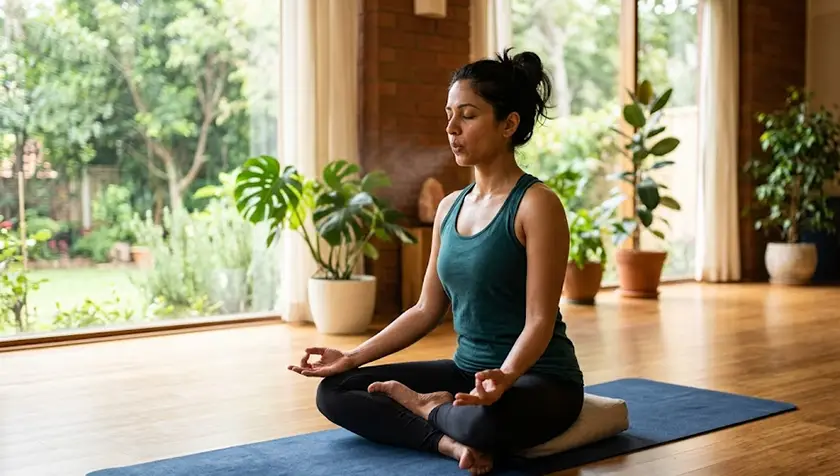
Kapalbhati technique involves short and forceful exhalations and passive inhalations. To experience the health benefits, it’s important to perform it the right way. Do this breathwork on an empty stomach in a quiet, ventilated space.
Follow the below-mentioned steps to perform it properly:
- Sit in a comfortable position like vajrasana, padmasana, or sukhasana. Keep your back straight and hands on the knees. It can also be done in a lying-down position with hips and knees bent and the hand placed on the right upper part of the abdomen to check the abdominal movements.
- Close your eyes and, with a relaxed body, breathe deeply through both nostrils while expanding the chest.
- Now, exhale fully by contracting the abdominal muscles. Ensure you avoid unnecessary movements of the shoulders and chest.
- Continue to perform about 20-30 exhalations in one round. Gradually increase it to 100 exhalations over time.
- Relax with normal breaths between the rounds. Three to five rounds are considered ideal for beginners.
Best Time and Duration of Kapalbhati Pranayama
It’s crucial to perform kapalbhati at the right time and duration to see the effectiveness of the exercise. If you are a beginner, perform the technique in the early morning with 3 rounds of 20-30 strokes. Do it daily for 5-10 minutes to see the positive effects.
- Best Time: The best time to perform kapalbhati is early morning on an empty stomach. This is an ideal time that promotes detoxification and oxygenation. If you don’t want to perform in the morning, ensure you maintain a gap of at least 3 hours after meals.
- Duration: Start with 3 rounds of 20-30 strokes. Gradually increase it to 100 strokes per round with 3-5 rounds regularly.
- Frequency: Do it daily for 5-10 minutes in the beginning. Increase the timing to 15 minutes under supervision. Avoid overdoing it that may cause fatigue or discomfort.
Side Effects of Kapalbhati
Kapalbhati can cause some side effects like dizziness, headaches, abdominal strain, increased heart rate, and increased blood pressure in case of incorrect practice or excess use.
Take a look below at some of the Kapalbhati side effects:
- Dizziness and lightheadedness: Forceful rapid exhalations can lower the carbon dioxide levels in the body, leading to faintness or a spinning sensation.
- Headaches and migraines: Improper breathing control or overexertion can cause headaches due to strain or oxygen imbalance.
- Abdominal strain: Using too much force can strain the abdominal muscles and cause local pain.
- Increased heart rate and blood pressure: Forceful breathing can cause sudden spikes that can lead to increased blood pressure and heart rate.
- Nausea and vomiting: Practicing after meals and failing to leave a 3-4 hour gap can cause severe nausea or indigestion.
Precautions to Keep in Mind While Practicing Kapalbhati
There are some precautions that you can follow to ensure safe and effective practice, like practicing early in the morning, maintaining proper posture, and staying hydrated.
- Perform the technique early in the morning or at least three hours after meals.
- Maintain proper posture by keeping your back straight to prevent strain on the spine.
- If you are a beginner, start with 20-30 strokes per round and gradually increase.
- Don’t exhale excessively, as it can lead to dizziness.
- Stay hydrated throughout the day to prevent dehydration.
- Always listen to your body. If you experience lightheadedness or discomfort, stop and rest immediately.
Who Should Avoid Kapalbhati Pranayama?
Kapalbhati pranayama should be avoided by people with certain medical conditions like high blood pressure, heart disease, hernia, and lower back pain. Pregnant women should also avoid performing this technique. If you have any underlying medical issues, consult a healthcare practitioner before starting to perform it regularly.
- Pregnant women: Forceful abdominal contractions can cause harm to the uterus.
- Individuals with heart conditions and high blood pressure: The practice involves changes in the heart rate and blood pressure, which may put extra stress on the heart.
- People with a hernia: Abdominal pressure can push internal tissue through a weak spot in the muscle wall and worsen a hernia.
- Individuals with lower back pain: Forceful snapping of the abdomen puts pressure on the spine and worsens the back pain.
Final Thoughts
Kapalbhati is a simple, quick-paced breathing exercise that can improve your physical and mental health. Performing 5 min kapalbhati benefits your digestion, boosts mental clarity, and enhances respiratory health.
However, it is crucial to consider the precautions and avoid it in cases of certain medical conditions. Focus on safely including this technique into the daily regimen for an energetic lifestyle.
FAQs
Q1: What are the benefits of kapalbhati for mental health?
Ans: The technique provides many benefits for mental health by increasing blood flow to the brain and balancing the autonomic nervous system. It helps reduce stress and anxiety and supports emotional stability.
Q2: Can kapalbhati reduce weight?
Ans: Yes! It can support weight management by boosting metabolism and promoting digestion.
Q3: What is the meaning of kapalbhati?
Ans: Kapalbhati that is also called shining skull breath, is an ancient yogic cleansing technique and breathing practice. It involves active exhalations and passive inhalations.
Q4: What is the difference between kapalbhati and shitkari pranayama?
Ans: Kapalbhati involves active forceful exhalations followed by passive automatic inhalations. On the other hand, shitkari pranayama involves slow inhalations through gently clenched teeth with a hissing sound, followed by slow exhalation through the nose.
Q5: Can kapalbhati be done after meals?
Ans: It’s best to do it on an empty stomach in the morning. If it is not possible, maintain a gap of at least 3 hours after meals.
Sources: