

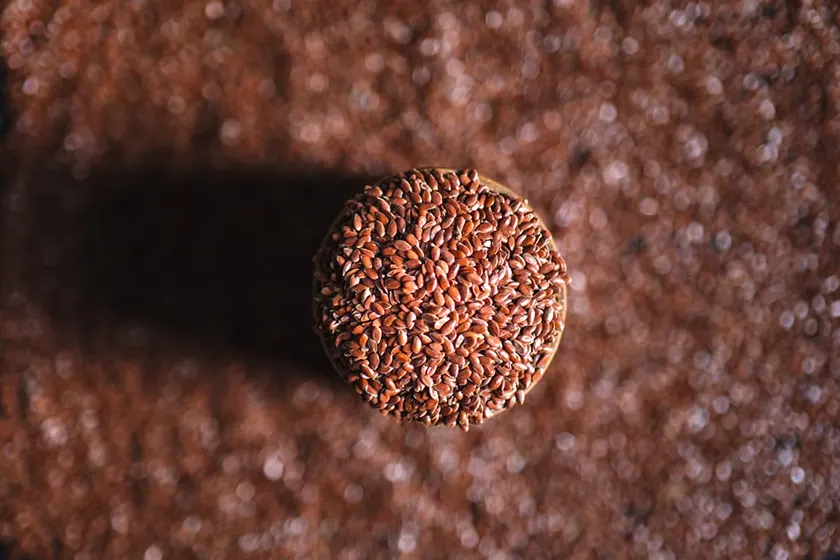
Halim seeds, also known as Chandrashoor in Ayurvedic terms, are a popular herb that is used as a superfood for boosting physical health. According to Ayurvedic principles, these seeds are great for pacifying Vata and Kapha doshas due to their hot potency. Also popularly known as the Aliv seeds, they are rich in fibre, protein, and iron, which makes their consumption ideal for elevating hemoglobin levels and digestive comfort, but only in accurate amounts.
Come along as I share all about this nutrient-dense superfood along with its benefits, uses, side effects, and a few precautionary measures.
Quick answer
Halim, also known as grass cress seeds, are small reddish-brown seeds from the Lepidium Sativum plant. Rich in iron, protein, and several bioactive compounds, these seeds are great for aiding digestion, treating pain, diarrhoea, and asthma. The best way to consume them is with oversoaked water for better nutrient absorption.
What are Halim Seeds?
Halim seeds are tiny, reddish-brown seeds grown from the Lepidium Sativum plant from the Brassicaceae family. Also known as garden cress seeds, they are rich in plant-based iron, fiber, protein, and other essential nutrients, which makes them a healthy dietary choice in daily life.
Historically, the haleem seeds were used for treating diarrhea and cough, which has evolved in modern times, expanding to anti-inflammatory uses. In Ayurveda, these seeds are known as Chandrashoor and are highly valued for their ability to balance the Vata and Kapha dosha. Popularly, the halim seeds are consumed with water/milk or in the form of ladoos, essentially made in winters.
Did you know
India is the largest producer of halim seeds, with major hubs scattered around the regions of Madhya Pradesh and Rajasthan.
Nutritional Value of Halim Seeds
According to research done by NCBI, the Halim seeds are considered a superfood due to their exceptionally rich nutrient profile. With protein content reaching up to 23%, halim seeds are also said to be rich in fibre, which aids the process of digestion if taken in appropriate amounts.
Here is the nutritional composition of halim seeds:
| Nutrients | Content (per 100 g) |
| Protein | 22.40 |
| Fibre | 40.37g |
| Fat | 24.18g |
| Potassium | 1.21g |
| Phosphorus | 0.78g |
| Calcium | 0.39g |
| Vitamin C | 0.0010g |
| Iron | 0.005g |
| Phenols | 92.67g |
| Flavonoids | 11.73g |
The table states the halim seeds as a great source of protein, iron and fibre. This makes this Ayurvedic herb a great option for regular consumption in moderate amounts. Mindful consumption can help combat issues of malnutrition and anemia.
What are the Ayurvedic Benefits of Halim Seeds?
As per Ayurveda, the halim seeds also known as Ashali or Chandrashoor are credited with Deepna and Balya, which help in aiding digestion and enhancing physical strength, respectively. They are considered shoolaprashamana, which helps in reducing inflammation.
Take a look at all the Ayurvedic health benefits of the Halim seeds:
- Pain Relief ( Shoolaprashamana): Since ancient times, halim seeds have been used to treat conditions like diarrhea, asthma, and muscle pain. As per ScienceDirect, there are various bioactive compounds and phenolic acids present in these seeds, which act as natural antioxidants, fighting oxidative stress in the body
- Boosts Physical Strength: As per Ayurvedic principles, the halim seeds have been credited with Balapushti Varshana, which means the ability to boost the physical strength of the body. This is possible due to the density of essential nutrients in the seeds. The concentration of protein and good fats is around 20-25%. This is the reason that one of the popular uses of the halim seeds is as a functional food used to combat malnutrition.
- Curing Anemia: According to the International Journal of Multidisciplinary Research, the halim seeds are a rich source of iron and folate, which helps in increasing the hemoglobin levels. In Ayurveda, they are said to enrich the Rakta Dhatu, responsible for blood levels in the body. The research paper further explores that, along with this, the seeds are also rich in vitamins C, E, and A, which makes them a nutrient powerhouse.
- Balancing the Doshas: Tridodsha in Ayurveda helps in the physical and mental well-being of the body. The halim seeds have hot potency (ushna virya), which makes them perfect for pacifying Vata and Kapha Dosha. The hot potency of the halim seeds helps manage the cold and sluggishness of the Vatta and Kapaha doshas, respectively.
Things to Know
Unlike Vata and Kapha dosha, the overconsumption of Halim seeds can intensify the Pitta dosha.
How to Consume Halim Seeds in Daily Life as per Ayurveda?
According to the Times of India, there are three ways to consume haleem seeds daily: warm water, milk, and in the form of ladoos. Each of the alternatives has its own set of pros and cons. With water being beneficial for digestion, the milk mixture enhances bone health.
Here are 3 common ways to consume halim seeds daily, along with the accurate dosage:
1. Warm Water
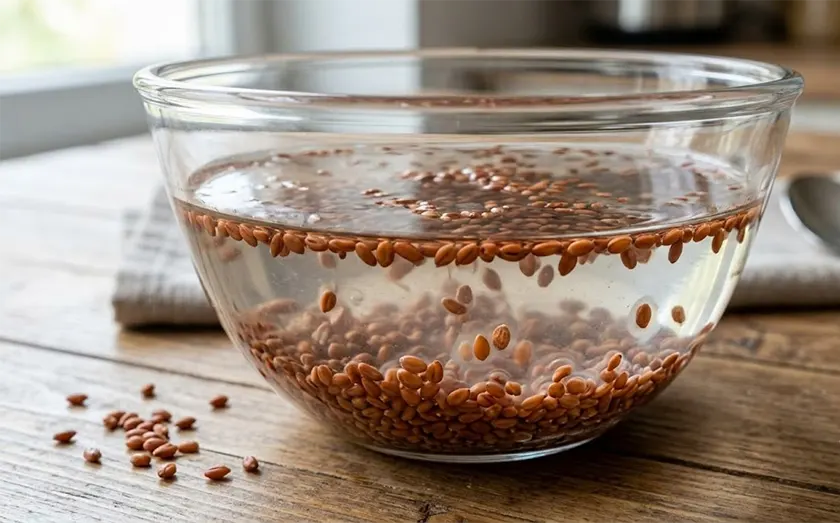
Soak the seeds overnight in water and drink it first thing in the morning. The overnight soaking will make the seeds turn gel-like and nutty, which makes them easy to digest. Consuming haleem seeds with water has several benefits, like aiding digestion and improving hair texture, especially for women.
2. Milk
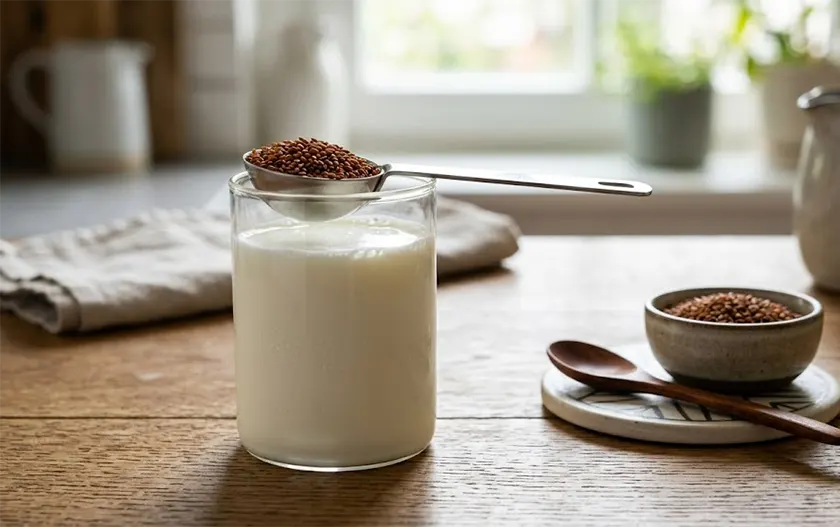
Overnight halim seeds can also be consumed with a glass of milk. The iron-rich halim seeds, when combined with calcium-rich milk, help provide holistic nutrition. This milk mixture is best consumed in the evening or at bedtime. Avoid having it early in the morning, because the seeds are rich in fiber and combining it with milk on an empty stomach may cause some digestive discomfort.
3. Halim Ladoos
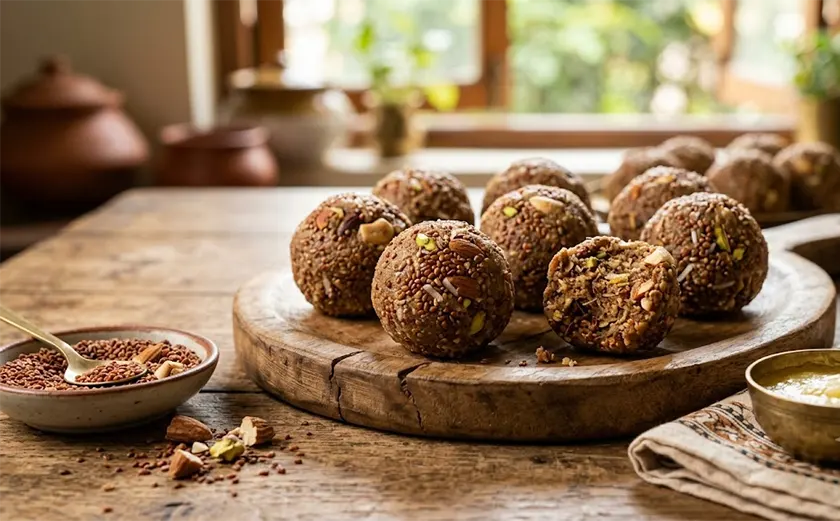
The halim seeds soaked overnight can be easily added into any ladoos or energy bars. They are most commonly used in winters due to their hot potency which helps in keeping the body warm. As per the Hindustan Times, the halim ladoos can easily be added to daily life, as they can be stored for a long time.
Common Side Effects of Halim Seeds Along With Precautionary Measures
The most common side effect of overconsumption of halim seeds is digestive discomfort, which is primarily because of the high fiber content. Its nutrient density can also trigger hyperthyroidism, skin irritation and complications in pregnancy.
This can be prevented with the accurate dosage and monitoring any allergic reactions and consulting a doctor for the best analysis.
Take a look at the side effects of the halim seeds followed by the precautionary measures:
I. Side Effects of Halim Seeds
- Digestive Discomfort: Halim seeds are high in fiber and mucilage, which are great for your gut, but excessive amounts daily can cause digestive discomfort like cramps, bloating and diarrhea, especially in children and elderly people.
- Trigger Thyroid: Due to the presence of goitrogens in halim seeds, more than the recommended dosage can trigger thyroid hormones, leading to complications in hyperthyroidism (overactive thyroid).
- Pregnancy Complications: It is not recommended for pregnant women to consume halim seeds due to their hot potency. They contain uterine stimulants that can trigger uterine contractions, which can cause premature labour or even miscarriage.
- Reaction With Diabetes Medications: The haleem seeds are said to lower blood sugar levels, but they can also react with diabetes medications and cause dizziness and weakness. These seeds have a high content of hypoglycemic substances, which in excess can lower the blood sugar level to an extremely critical level.
Insightful Tip
It is not necessary that overconsumption of halim seeds can cause side effects. In Ayurvedic terms, your dominant dosha also influences the way the seeds react with your body, even in small amounts.
II. Precautionary Measures
- Accurate Dosage: The right amount of dosage for haleem seeds is around 5-10 grams per day. However, health experts suggest that these seeds should not be consumed daily, as their hot potency can cause severe digestive issues like bloating and cramps.
- Soak Before Eating: It is recommended to soak the seeds overnight before eating. This helps in softening the shells and in easier digestion.
- Avoid During Pregnancy: Haleem seeds are not recommended during pregnancy because they have uterine stimulants that can cause contractions, leading to premature labour.
- Monitor Allergic Reactions: While alive, seeds are an Ayurvedic powerhouse; they can often lead to allergic reactions like skin irritation. Monitor any such reaction and consult a medical professional for further assistance.
Mindful Tip
The popular belief that Ayurvedic medicines do not harm the body is true up to the correct amount consumed. Some nutrient compositions are naturally not compatible for everyone. Your daily halim seed consumption must be examined by a healthcare professional rather than trusting word of mouth.
Concluding Remarks
Halim seeds are a popular Ayurvedic herb that has been a part of Indian kitchens for centuries now. While its main use has been limited to medicinal purposes, like aiding digestion, treating pain, and strengthening the physical body, it is also consumed as a superfood in daily life. It is suggested to take the recommended amount of these seeds, as advised by your health professional, for the best results.
FAQs
Q1: What is the Indian name for halim seeds?
Ans: Halim seeds itself is an Indian name for the seeds, but some other names include Chandrashoor (Ayurvedic), Aliv, Asalio, and Asaliya, which vary for different regions of the country.
Q2: Who cannot consume halim seeds?
Ans: Halim seeds are not recommended for pregnant women and people with thyroid issues. These seeds contain uterine stimulants which can lead to premature labour, causing health complications. They also have goitrogens, which can lower thyroid hormones, worsening hyperthyroidism.
Q3: Can I eat the halim seeds every day?
Ans: You can eat halim seeds every day in adequate amounts ( 1tbsp/ per day), but ideally it is not recommended to eat halim seeds every day because it can lead to overconsumption and health complications.
Q4: Are halim seeds and flax seeds the same?
Ans: No, halim and flax seeds are not the same. Halim seeds are small, red-brown, tiny seeds that are rich in iron, protein, and fiber while flax seeds are oval, shiny brown seeds that are a great source of omega-3 fatty acids.
Q5: Which one is better, chia seeds or halim seeds?
Ans: No option is considered ‘better’ than the other, as both of them have different purposes. Chia seeds are rich in Omega-3 fatty acids and fibre, which helps aid digestion. Halim seeds, on the other hand, are rich in protein and iron, elevating hemoglobin level and physical strength.
Source: