

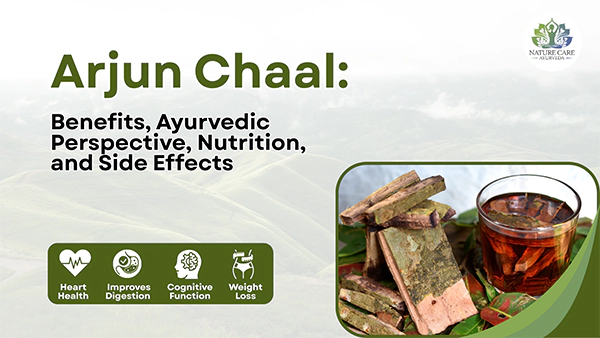
Arjuna tree is commonly grown in India and has been used in Ayurvedic medicine for centuries. In particular, tree bark has many therapeutic benefits, including effects on cardiovascular, digestive, respiratory, and skin health. It is especially known as a heart tonic helpful in issues like angina, hypertension, and coronary artery disease.
If you are looking for a natural solution to support overall health, arjun bark is the go-to remedy. Read this article to understand the arjun chaal benefits and side effects to use it effectively and safely in your daily routine.
Quick Answer
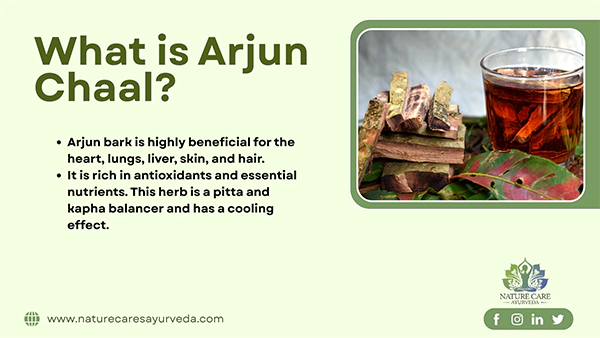
- Arjun bark is highly beneficial for the heart, lungs, liver, skin, and hair.
- It is rich in antioxidants and essential nutrients. This herb is a pitta and kapha balancer and has a cooling effect.
- This can be used in forms like powder, tonic, capsules, and tablets.
- Its side effects include digestive issues, low blood pressure, and allergic reactions.
What is Arjun Chaal?
Arjun Chaal (bark of Terminalia arjuna tree) is an ayurvedic herb, also described as Hridya herb as it is popularly used for heart health and circulation and to manage cholesterol and blood pressure level. Moreover, it also balances tridoshas, Kapha, Vata and Pitta. Ayurvedic text also describe arjun chaal as having Kashaya (astringent) rasa and Sheeta (cooling) virya, making it useful for supporting tissue healing, managing excess heat, and promoting balance in the body.
Arjun chaal is commonly consumed as a powder, decoction (Kadha), capsules or tablets and extracts. The best part is you can commonly find this tree in India in states like Uttar Pradesh, Bihar, Maharashtra and Madhya Pradesh.
Here’s a quick look at its scientific classification and the names it goes by across India:
| Kingdom | Plantae |
| Order | Myrtales |
| Family | Combretaceae (Indian almond family) |
| Genus | Terminalia |
| Species | T. arjuna |
| Bark Common Names |
|
| Native Range | Native to India and grows along the riverbanks in tropical and subtropical regions. |
Arjun Chaal Benefits Backed by Ayurveda
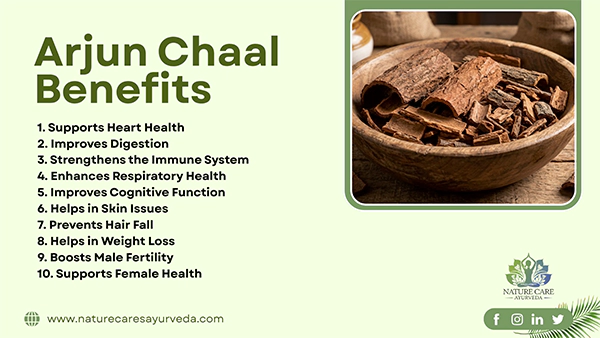
Arjun bark is nature’s gift to humankind, providing relief for many health conditions. Though it is known as a potent heart tonic, it also supports weight management, improves kidney and liver health, and prevents hair thinning. Arjuna herb is also great for improving reproductive wellness for both males and females.
Let’s unlock all its benefits as per Ayurveda in detail:
1. Supports Heart Health
Arjun chaal is famously called “guardian of the heart” in Ayurveda due to its cardioprotective properties. With its antioxidant and anti-inflammatory effects, it improves blood flow, fortifies heart muscles, and helps control blood pressure.
It is traditionally a primary ingredient in preparing hridya-swasthya (heart health) tonic, helping with issues like angina, hypertension, and coronary artery disease.
Research Insights
A 2020 study by the National Center for Biotechnology Information highlights that Arjun chaal has cardioprotective potential and may prevent CVD in patients with cardiovascular risk factors.
2. Improves Digestion
Arjun chaal powder benefits in issues like hyperacidity, bloating, and loss of appetite. It supports digestion with its astringent and anti-inflammatory properties.
Regular use can improve the secretion of digestive enzymes and support nutrient absorption in the body. It balances pitta dosha and kapha dosha and promotes overall gut health. Also, it is effective in the treatment of atisar (diarrhoea) due to its cooling potency.
3. Strengthens the Immune System
The herb has immunomodulatory traits with which it strengthens the immunity naturally. As a result, it enhances the body’s ability to fight diseases and infections. It helps attain the tridosha balance that is significant for a strong immune system. Due to its rich antioxidant content, it protects the body from environmental stressors and harmful toxins, contributing to overall well-being.
4. Enhances Respiratory Health
Arjuna bark is believed to be helpful in respiratory issues like asthma, bronchitis, cough, and cold. Kasroga (bronchitis) leads to ama (toxins) buildup in the lungs in the form of mucus. Arjuna bark balances kapha dosha, which clears this mucus from the lungs. As a natural expectorant, it provides relief from cough and cold, minimizing throat irritation.
5. Improves Cognitive Function
Not just physical, this aushadhi is also beneficial for mental well-being. It is known to be the natural stress killer thanks to its adaptogenic qualities. Ultimately, it is helpful for individuals dealing with anxiety, depression, hypertension, and insomnia. This herb combats oxidative stress in the brain, improves sleep quality, and encourages emotional wellness.
6. Helps in Skin Issues
Purifying blood and eliminating ama (toxins) from the body, it helps with skin issues like acne, rashes, and other skin conditions. With its antimicrobial properties, it protects the skin from infections and promotes faster wound healing.
Also, it protects the skin cells from oxidative stress, being packed with antioxidants like flavonoids and tannins. As a result, it boosts collagen and contributes to glowing skin.
Research Insights
A study conducted in 2013 by the National Center for Biotechnology Information concludes that arjuna bark is an innovative ingredient that has versatile anti-aging properties.
7. Prevents Hair Fall
Rich in minerals and antioxidants, this Ayurvedic ingredient nourishes the scalp, makes hair stronger, and reduces hair fall. Regular internal or external arjuna uses can improve hair texture and minimize hair thinning caused by issues like stress, hormonal imbalance, and nutritional deficiencies.
8. Helps in Weight Loss
It is one of the best Ayurvedic herbs for weight management. By enhancing digestion and metabolism, the bark assists in burning fat in the body rapidly. It also improves liver and kidney function and detoxifies the body. Through this, it functions as the natural solution for attaining a healthy weight when combined with a balanced diet and exercise.
9. Boosts Male Fertility
This is one of the best herbs in Ayurveda to improve male reproductive health. It has antioxidants and significant compounds like zinc that boost sperm production. The regular intake of this remedy also leads to enhanced stamina and endurance. It strengthens the shukra dhatu (reproductive tissue) and promotes hormonal balance in the body.
10. Supports Female Health
With its astringent properties and cooling effect, it helps manage the raktapradar (heavy menstrual bleeding) and other problems related to it. It balances the pitta and kapha dosha, which leads to reduced menstrual discomfort. Additionally, it provides relief from urinary tract infections by its diuretic and antimicrobial properties.
Quick Answer:
- Arjun bark is known primarily for its cardioprotective properties, helping with angina and hypertension.
- It is also beneficial for respiratory, digestive, reproductive, skin, and hair health.
- This natural remedy also helps in weight management and improving cognitive function.
Arjun Chaal Nutritional Profile and Ayurvedic Properties
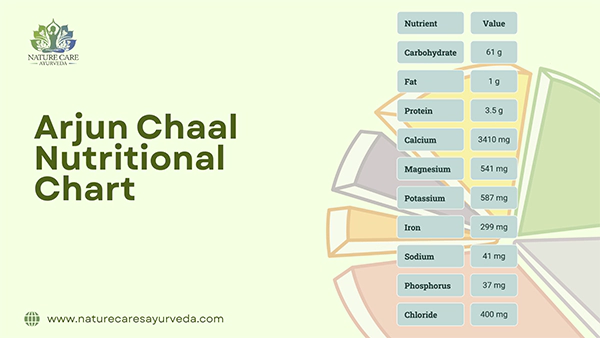
This Ayurvedic remedy is rich in antioxidants and essential nutrients like carbohydrates. It is used traditionally due to its Ayurvedic medicinal properties like katu (pungent) post-digestive effect and sheeta (cooling effect).
Arjun Chaal Nutritional Composition
| Nutrient | Value |
| Carbohydrate | 61 g |
| Fat | 1 g |
| Protein | 3.5 g |
| Calcium | 3410 mg |
| Magnesium | 541 mg |
| Potassium | 587 mg |
| Iron | 299 mg |
| Sodium | 41 mg |
| Phosphorus | 37 mg |
| Chloride | 400 mg |
Arjun Chaal Ayurvedic Properties
| Property | Detail |
| Rasa (taste) | Kashya (astringent) and katu (pungent) |
| Guna (quality) | Rooksha (dry) and laghu (light) |
| Virya (potency) | Sheeta (cooling) |
| Vipaka (post-digestive effect) | Katu (pungent) |
| Dosha Impact | Pitta-kapha samak (balances pitta and kapha dosha) |
Dosage and Different Ways to Use Arjun Chaal
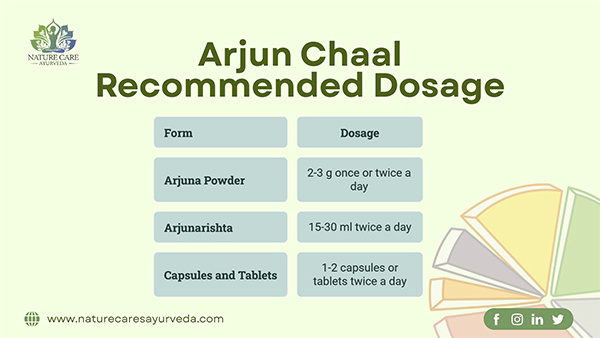
Arjuna bark powder is generally consumed with water or milk. This ingredient is also available in the market in tonic and capsule form. It is typically found safe to consume 2-3 g of powder or 15-30 mil of tonic twice a day.
Take a look below to understand the right dosage and different ways to use it in daily life:
Recommended Dosage of Arjuna Chaal
| Form | Dosage |
| Arjuna Powder | 2-3 g once or twice a day |
| Arjunarishta | 15-30 ml twice a day |
| Capsules and Tablets | 1-2 capsules or tablets twice a day |
Note: The above-provided information is for educational purposes and should not be considered medical advice. Talk to a healthcare practitioner for the right dosage of any Ayurvedic supplement.
How to Use Arjuna Chaal?
| Method | Description |
Arjuna Powder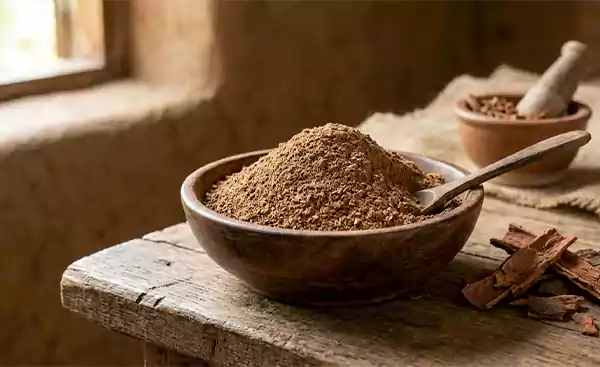 | Combine ½ to 1 teaspoon of the churna with a glass of water. Drink it once or twice a day. |
Arjuna Kwath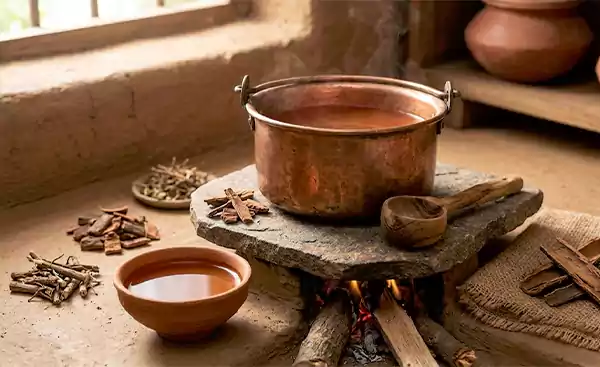 | To make the kwath (herbal decoction), take 1-2 teaspoons of powder with 400 ml of water. Boil this mixture until it’s reduced to about 100 ml. Strain and drink lukewarm. |
Arjuna with Milk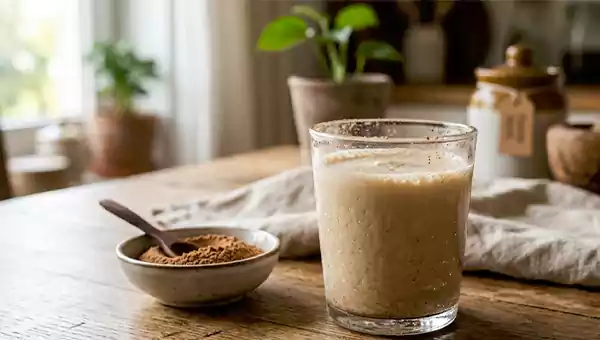 | Boil 1-2 teaspoons of the powder with 1 cup of water and 1 cup of milk. Drink it lukewarm once or twice a day. |
Arjunarishta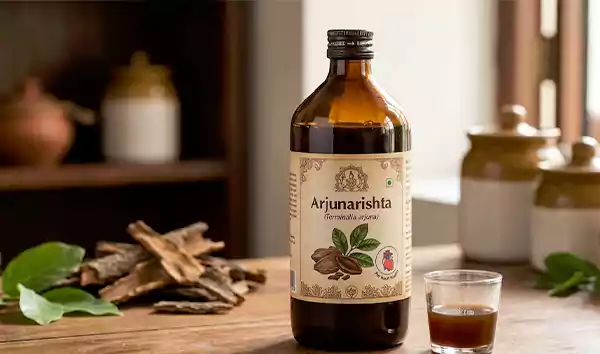 | Arjunarishta is the herbal tonic that is easily available in the market. It is made with the fermentation process, combining arjuna bark with other herbs and jaggery. |
Capsule and Tablet | You can also try the capsule and tablet forms that are readily available in the market. These are easy to use for busy individuals. |
Quick Answer:
- Use Arjun powder with water or milk once or twice a day.
- The powder can also be boiled in water to make a decoction.
- It is also available in the form of tonic, capsules, and tablets for easy use.
Side Effects and Precautions of Arjun Chaal
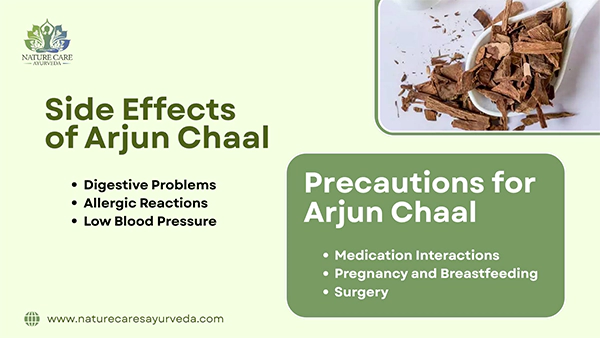
There is no doubt in the fact that Arjuna chaal is highly advantageous for our health. But the most potent Ayurvedic medicine has side effects, too. In case of Arjun bark, you may experience nausea, diarrhoea, and allergic reactions. It’s suggested to stop its usage during pregnancy, in cases of existing medical conditions, and during scheduled surgery.
Side Effects of Arjun Chaal
- Digestive Problems: High doses can lead to digestive issues, including mild nausea, stomach upset, or diarrhoea.
- Allergic Reactions: This bark may cause allergic reactions in some individuals, such as skin rashes, swelling, and itching.
- Low Blood Pressure: It lowers blood pressure, which helps with hypertension. However, if somebody has low blood pressure, using this remedy can cause dizziness, lightheadedness, and fainting.
Precautions to Consider for Arjun Chaal
- Medication Interactions: Be cautious if you are already on blood thinners, heart medications, and antihypertensives. The remedy can interact with these medicines.
- Pregnancy and Breastfeeding: Avoid this bark during pregnancy and breastfeeding. Talk to a doctor first before starting high doses, as the studies are limited on its use in pregnant and nursing mothers.
- Surgery: As it slows blood clotting, stop its use at least 2 weeks before the scheduled surgery to prevent bleeding risks.
Bottomline
Arjun bark is undoubtedly a blessing that nature has offered us. It has been used for centuries in Ayurvedic medicine, which highlights its efficacy and reliability. If used properly, Arjun chaal benefits the skin, hair, liver, and respiratory system. It also boosts immunity and supports healthy weight loss.
Always consult a healthcare practitioner before starting the medicinal doses, and be careful of the above-mentioned side effects and precautions.
FAQs
Q1: What is Arjuna bark good for?
Ans: It is a potent heart tonic due to its cardioprotective properties. This bark also has antihypertensive properties that benefit in lowering the excessive blood pressure.
Q2: What are the side effects of Arjuna chaal?
Ans: Improper intake can lead to digestive discomfort, including stomach pain, nausea, and diarrhoea. It may also lead to allergic reactions and low blood pressure in some people.
Q3: Can we boil Arjuna chaal in water?
Ans: Yes! You can make a herbal decoction or tea by boiling this in water. It is a popular remedy for its anti-inflammatory qualities and cardiovascular support.
Q4: Can we drink Arjuna tea on an empty stomach?
Ans: Yes! You can have it on an empty stomach. However, if you have acidity, it’s preferred to have the tea after meals.
Q5: Who should avoid Arjuna chaal?
Ans: It’s recommended that pregnant and breastfeeding women, people with scheduled surgery, and individuals who are already on medications should avoid using it or consult a doctor first.
Sources: