


Sinusitis or sinus infection refers to the inflammation of the tissue lining of the sinus cavities. As per Ayurveda, the condition is linked to increased kapha dosha, excess ama (toxins), and poor digestion. The common symptoms of sinusitis include thick mucus and facial pain.
Rather than just telling the cause, Ayurveda focuses on addressing the root cause of the infection. Explore this guide to know sinus treatment in Ayurveda, which includes herbal remedies and external therapies, providing pain relief and helping in easy breathing.
Effective Sinus Treatment in Ayurveda: Ayurvedic Therapies and Home Remedies
How does Ayurveda help in sinus treatment? The ancient medicine system offers many external therapies, such as steam inhalation, nasya therapy, and herbal topical application for effective relief. In addition to that, the holistic system treasures various herbal formulations for consumption, including dalchini, yashtimadhu, and turmeric milk. Let’s see the benefits of Ayurveda medicine for sinusitis:
Ayurvedic Therapies for Sinusitis
- Nasya Therapy
This is the signature sinus treatment in Ayurveda. In this, the herbal oils or extracts are gently administered through the nostrils. The therapy helps lubricate the passages, dissolve accumulated mucus, and aid sinus drainage. Furthermore, believed to be effective in both panchakarma (deep detoxification)and dinacharya (daily routine), it balances the kapha and vata dosha.
Take a small amount of herbal oil like anu taila or shadbindu taila and apply to the nostrils. This works best when done in the morning.
- Swedana (Steam Inhalation)
Inhaling steam infused with herbs like eucalyptus, tulsi, camphor, or peppermint helps improve sinusitis. For this, add the ayurvedic herbs to the boiling water. Lean over the bowl and place a towel on your head to trap the steam. Inhale the steam deeply for 10 to 15 minutes to open nasal passages and support easier breathing.
- Jala Neti (Saline Water Rinse)
It is a nasal cleansing practice using warm saline water and a neti pot. The practice involves running the warm, sterilised salt solution through the nasal passages and sinuses. It flushes out the allergens, dust, and excess mucus that are trapped in the nasal cavity. Ultimately, providing relief from the sinus infection.
- Herbal Lepa (Topical Application)
The topical application of herbal lepa (pastes) on the forehead and nose benefits in reducing the pain and congestion related to sinusitis. The best herbs are turmeric, neem, and sandalwood, which can be used to make the paste. They have anti-inflammatory properties to decrease the sinus pressure and facial tenderness.
- Kavala Kriya (Oil Pulling)
Kavala Kriya is the ayurvedic treatment that cleanses the mouth and balances the doshas in the head region. Additionally, it benefits in reducing the ama (toxins) in the body that are accumulated due to poor digestion.
Take 1 tablespoon of coconut oil or sesame oil into your mouth. Gently swish, push, and pull the oil through your teeth and around your mouth. Continue for 15-20 minutes, avoid gargling or swallowing. Spit the oil into the trash and rinse the mouth with warm water.
Ayurvedic Herbal Remedies for Sinusitis
- Haldi Doodh (Turmeric Milk)

Turmeric milk benefits, being a healthy beverage due to its anti-inflammatory and antioxidant properties. Turmeric boiled with milk helps thin the mucus, combat recurrent infections, and support faster recovery. You can also add black pepper, jaggery or honey to the drink for better taste and enhanced absorption.
- Chukku Kaapi
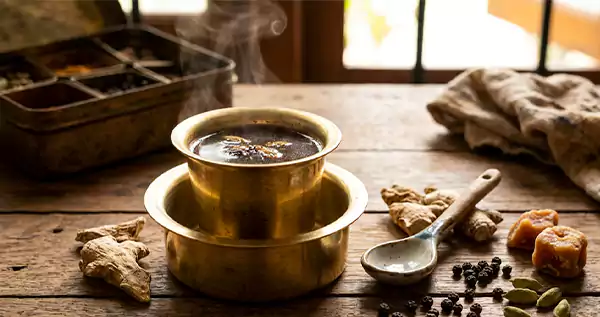
Chukku Kaapi is the traditional south indian coffee that is a popular remedy to treat many respiratory issues, including cold and cough. It is simple to make using ingredients like dried ginger, tulsi, pepper, fenugreek seeds, cumin, and coriander. The popular decoction reduces congestion and boosts immunity.
- Ginger- Tulsi Tea

Ginger- tulsi tea is a natural chronic sinus treatment in Ayurveda. The anti-inflammatory property of ginger helps in reducing the nasal swelling. In addition to that, the antibacterial and antiviral properties of tulsi provide immunity. Before drinking, inhale the steam of the tea to open the nasal passages.
- Trikatu
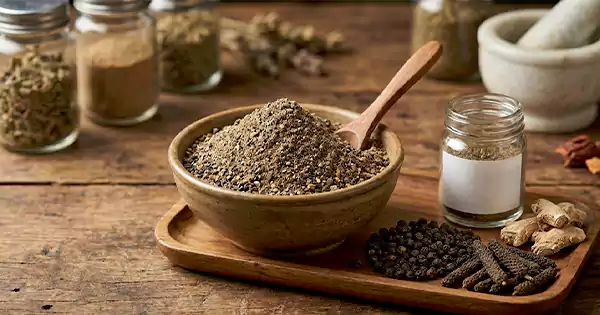
Trikatu churna is the blend of three herbs, ginger, kali mirch (black pepper) and pippali (long pepper). Due to its warm and pungent properties (katu rasa), it is beneficial for respiratory tract infections and sinus problems. Consume the churna with honey to clear the accumulated mucus and support free breathing.
- Yashtimadhu (Licorice)
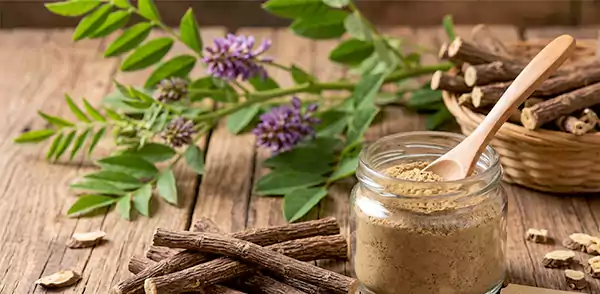
Yashtimadhu or Mulethi is an excellent sinus treatment in Ayurveda due to its demulcent and expectorant properties. Prepare a mulethi decoction by adding mulethi powder or a few sticks to water. Consume with honey to soothe the inflamed nasal and throat tissues.
- Dalchini (Cinnamon)
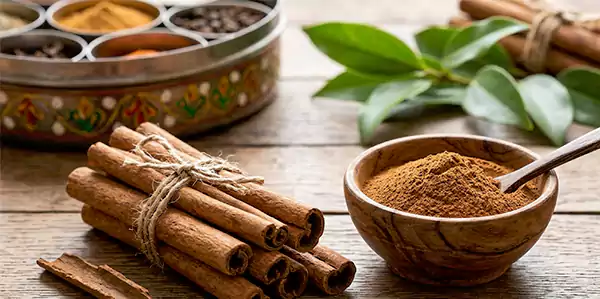
Cinnamon is a famous herb for sinus treatment in Ayurveda in Hindi due to its mucolytic action. Adding a little dalchini in your daily diet helps break down thick mucus due to its anti-inflammatory and anti-bacterial properties.
Note: Ayurvedic therapies and herbal remedies are most effective when combined with the unique constitution of an individual. Consider consulting a health practitioner before starting any ayurvedic treatment, especially if you have chronic or severe symptoms.
Does Yoga Help in Sinus Treatment?
Yoga offers scientifically backed health benefits for the body. It is beneficial in sinus treatment, increasing blood flow and promoting nasal drainage. Below are some yoga poses, such as Adho Mukha Svanasana and Bhujangasana, that you can try for 2-3 months to feel the difference:
| Yoga Pose | Description |
Adho Mukha Svanasana (Downward-Facing Dog) | This yoga pose forms a V with the body. It increases blood flow to the head and promotes sinus drainage. |
Bhujangasana (Cobra Pose) | In this, the person lies on the stomach, gently lifting the chest. It opens the lungs and supports easier breathing. |
Setu Bhandhasana (Bridge Pose) | This involves lying on the back with knees bent. The pose helps to open the chest and clear blocked airways. |
Pranayama (breathwork), such as anulom vilom (alternate nostril breathing)and bhramari (humming bee breath), are also beneficial in sinus treatment. They balance the air flow and clear nasal blockages.
Symptoms and Causes of Sinusitis
In Ayurveda, sinusitis is a deeper internal imbalance that can show up in many ways. The typical symptoms include a blocked nose, loss of smell and taste, and pain in the forehead and cheeks. The infection can be caused by a stressful routine, an irregular sleep habit and dietary issues.
Typical Symptoms of Sinusitis
- A persistent blocked or stuffy nose with thick and sticky mucus discharge.
- Pressure or dull ache in the forehead, cheeks and eyes.
- Mucus is draining down into the throat.
- Loss of smell and taste.
- General body fatigue or sluggishness.
Common Causes of Sinusitis
- Dietary Factors: Excessive consumption of oily, heavy and cold food that may aggravate kapha.
- Environmental Factors: Exposure to dust, cold drafts and sudden weather changes that may lead to recurrent cold or allergies.
- Stress and Routine: High stress levels and irregular sleep patterns may disturb the vata dosha, leading to low immunity.
- Weak Digestion: Weak digestion leads to ama (toxins) travelling upward and clogging the sinus channels.
4 Types of Sinus Infections
Sinus infection is classified into four types according to the duration of the symptoms. The types are acute, subacute, chronic and recurrent. Based on this, the best treatment plan is decided.
| Types of Sinusitis | Description |
| Acute | Lasts for up to 4 weeks. |
| Subacute | Symptoms and inflammation last between 4 and 12 weeks. |
| Chronic | Persists for 12 weeks or longer. |
| Recurrent | 3 or more episodes of acute sinusitis in a single year. |
Daily Lifestyle Tips to Prevent Sinus Problems
For Sinusitis treatment, your daily routine and lifestyle matter more than you think. Combining proper sleep with a balanced diet can significantly improve the symptoms. Furthermore, it is also suggested to avoid smoking and cold food for better prevention.
- Follow a proper meal timing and consume a balanced diet to support digestion and keep the immune system strong.
- Avoid cigarette smoke and pollution, as they can disrupt the mucus clearance.
- Drink at least 8 glasses of water every day to keep mucus thin and easy to drain.
- Include warm spices in your diet like ginger, cinnamon and turmeric that enhance overall respiratory health.
- Avoid cold, dairy, sugary and gluten-rich food that may aggravate kapha.
- Reduce screen time and eye strain, which can worsen the symptoms contributing to facial tightness and headaches.
- Ensure proper sleep cycle to improve vata and kapha dosha.
Modern Research on Sinus Treatment in Ayurveda
During my research on sinus treatment in Ayurveda, I found many scientific studies evaluating the efficacy of Ayurvedic therapies and herbal formulations in the management of sinusitis. Take a look at some recent studies below:
Research Box 1
Study Year: 2013
Aim: To evaluate the efficacy of trikatu thaila nasya in the management of the kaphaja sirasoola (maxillary sinusitis).
Method: 20 patients diagnosed with the kaphaja sirasoola (maxillary sinusitis) were involved in the study. 8 drops of trikatu thaila nasya were administered into each nostril early in the morning on an empty stomach for seven days. Clinical signs and symptoms were tracked on the basis of a self-formulated scoring scale.
Results: The nasya showed significant improvement in the management of kaphaja sirasoola. The statistics include complete remission in 10%, marked improvement in 74%, moderate improvement in 11 % and mild relief in 5 % of patients.
Research Box 2
Study Year: 2023
Aim: To provide a comprehensive analysis of the global research investigating Ayurvedic treatments for chronic rhinosinusitis (CRS) treatment.
Method: The review followed the standardised PRISMA guidelines, searching major databases including MEDLINE, Embase, Ayush Portal, and Cochrane Library. Studies published before March 2022 featuring human subjects diagnosed with CRS were included, evaluating ayurvedic treatment alone or in combination.
Results: Studies concluded that Ayurvedic therapies led to improvement in CRS symptoms and appear to be well tolerated. Ayurvedic treatments deserve further investigation in the form of well-designed controlled trials.
Concluding Remarks
Sinusitis, while common, is an uncomfortable condition that can cause adverse effects on respiratory health. Sinus treatment in Ayurveda is well-regarded as it addresses the root cause and provides relief naturally. Whether you are integrating a kapha-balancing diet, steam inhalation, or yoga asanas, holistic practice can certainly help in the management of symptoms.
Always consult a healthcare practitioner if you have a severe or chronic sinus infection. Ayurvedic medicine is highly individualised. By consulting a doctor and understanding your constitution, you can opt for a personalised and safe treatment plan.
FAQs
Q1: Can sinusitis be cured through Ayurveda?
Ans: Yes! Ayurveda offers many therapies and herbal remedies for the management of sinusitis naturally. It can balance doshas, reduce swelling and prevent the recurrence of the infection.
Q2: Does Ayurveda view stress as a trigger for sinus issues?
Ans: Yes! Stress leads to vata imbalance and weak immunity in Ayurveda. This makes the body more prone to sinus infections.
Q3: What are the common therapies for sinus treatment in Ayurveda?
Ans: Ayurveda involves therapies like steam inhalation, saline water rinse and nasya to remove congestion and provide pain relief in sinusitis symptoms.
Q4: What foods should be avoided in a sinus infection?
Ans: Avoid having cold iced food, dairy products and oily foods to reduce kapha accumulation.
Q5: Which herbal remedies are recommended in sinus treatment in Ayurveda?
Ans: The common herbal remedies used for sinus treatment are ginger-tulsi tea, trikatu churna with honey and mulethi decoction.
Sources: