

Punarnava is the rejunevative herb in Ayurveda that is rightly called the “renewer of the body”. This indigenous plant is renowned for its diuretic and anti-inflammatory properties. Its consumption is believed to support many health problems like kidney diseases, liver issues, and inflammation.
I take punarnava juice before meals, and it has really improved my gut health over the months. If you also wish to see the wonderful punarnava benefits for your health, take a look at its nutritional value, the right way to use it for maximum effect, and potential side effects before starting the treatment plan.
Punarnava Plant: A Quick Overview
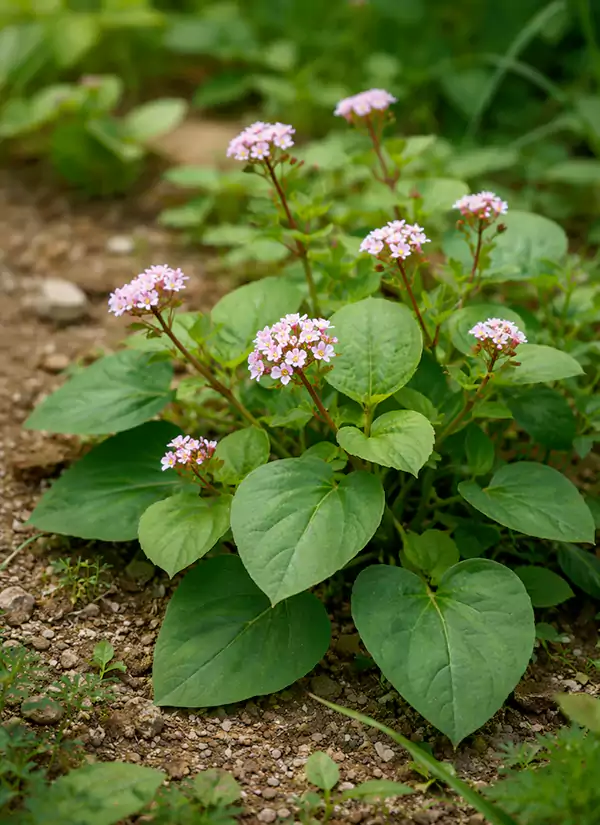
Punarnava plant, scientifically known as Boerhavia diffusa L., is a perennial creeping herb that comes under the Nyctaginaceae family. Growing in warm and tropical climates, it is a therapeutic ayurvedic remedy that has many medicinal benefits. Let’s take a look at its scientific classification and common names:
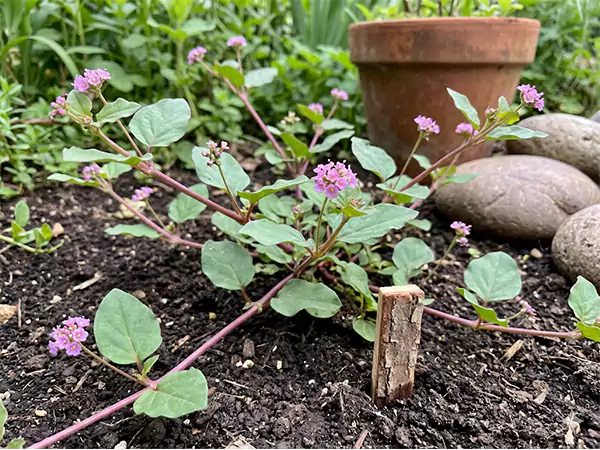
| Botanical name | Boerhavia diffusa L. |
| Kingdom | Plantae |
| Order | Caryophyllales |
| Family | Nyctaginaceae |
| Genus | Boerhavia |
| Species | B. diffusa |
| Vernacular names | English: Red Spiderling, Spreading Hogweed Sanskrit: Punarnava Hindi: Gadahpurna or Biskafra Malayalam: Thazhuthama Marathi: Ghetuli Kannada: Kommeberu Gujarati: Satodi Telugu: Atikamamidi / Erra galijeru Tamil: Mukurattai |
| Origin | Indigenous to India, it is widespread in the tropics, including South America, Africa, and Australia. |
| Habitat | It thrives as a weed in wasteland, roadsides, and cultivated land, often growing in sandy or loamy soils. |
Ayurvedic Punarnava Benefits for Health
Punarnava supports our overall well-being with its wide range of ropan (healing) properties. As a popular Ayurvedic remedy, punarnava benefits for liver, kidney, and skin health. Additionally, it is found to regulate blood sugar levels and reduce joint pain (arthritis).
Here are its benefits in detail:
1. Supports Kidney and Urinary Health
As an effective diuretic and rasayana (rejuvenative) herb, punarnava tablet uses are traditionally believed to reduce fluid retention (edema) and manage various urinary disorders. Its anti-inflammatory and anti-microbial properties soothe the urinary tract and provide relief in urinary tract infections (UTIs). The herb also reduces the risk of kidney stone formation by preventing mineral crystallization.
2. Promotes Liver Function
Punarnava syrup is called the liver tonic as it acts as a powerful detoxifier and rejuvenating herb. It has the ability to flush out ama (toxins) from the body, aiding in conditions like fatty liver and jaundice. The ayurvedic herb also improves the bile secretion and liver metabolism, which benefits in keeping the overall body healthy.
3. Supports Weight Management and Metabolism
Gadahpurna is one of the best Ayurvedic herbs for weight management and metabolism boost. Supporting digestion, it improves fat metabolism by assisting in breaking down the stubborn fat. Furthermore, the herb regulates appetite and kapha-related sluggishness, which leads to faster weight loss.
4. Reduces Joint Pain and Inflammation
Due to its anti-inflammatory and analgesic properties, punarnava leaf helps manage arthritis and joint swelling. It is a shothahara (reducing swelling) herb in Ayurveda that provides relief in the inflamed joints.
Being warm, light, and dry in nature, it promotes vata balancing, which is the root cause of pain and stiffness in arthritis. Furthermore, it provides antioxidants that shield the joints from the damage caused by free radicals.
5. Improves Digestive Health
By stimulating agni (digestive fire) and enhancing nutrient absorption, the punarnava tablet improves digestive health in Ayurveda. Its regular intake leads to better breakdown of food and a reduction in sluggish metabolism. In addition to that, its anti-inflammatory action decreases gut inflammation and stomach irritation.
6. Helps in Blood Sugar Management
Punarnava powder is believed to manage blood sugar levels due to its hypoglycemic properties. It increases the natural insulin secretion in the body, which aids better glycemic control. It also inhibits the conversion of starch into glucose, which prevents the sudden spikes in the blood sugar levels after meals.
7. Improves Skin Health
Due to its antimicrobial and antioxidant properties, punarnava benefits skin conditions like acne, eczema, and dermatitis. As a traditional herb, it reduces swelling, speeds up wound healing, and decreases redness to soothe sensitive areas. Possessing antibacterial and antifungal properties, it helps manage skin infections by resisting pathogens.
8. Provides Respiratory Relief
Punarnava juice is a natural expectorant that clears mucus from the airways and helps in easy breathing. It is specifically effective in managing respiratory disorders like asthma and bronchitis because of its kapha-balancing nature. Furthermore, Gadahpurna is one of the best Ayurvedic home remedies for dry cough due to its anti-inflammatory nature.
Nutritional Composition and Ayurvedic Properties of Punarnava
Gadahpurna is a medicinal herb that is packed with many essential nutrients, including vitamin C, iron, and calcium. There are many benefits of Ayurveda medicine due to its vata and kapha balancing properties and ushna potency. Through this, it acts as the “reviver” of the body tissues.
Nutritional Value of Punarnava (100g)
| Nutrient | Value |
| Protein | 35.9 mg |
| Carbohydrates | 415 mg |
| Calcium | 142 mg |
| Iron | 0.012 mg |
| Vitamin C | 10.2 mg |
| Sodium | 165 mg |
Ayurvedic Properties of Punarnava
| Rasa (taste) | Tikta (bitter), kashaya (astringent), and madhura (sweet) |
| Guna (quality) | Laghu (light) and rukhsha (dry) |
| Virya (potency) | Ushna (hot) |
| Vipaka (post-digestive effect) | Madhura (sweet) |
| Dosha Impact | Primarily balances vata and kapha dosha |
How to Use Punarnava for Maximum Effect?
Punarnava is a well-rounded herb that can be used in many forms, including powder, kadha, and tablets. Consumption of the herb is considered safe when used in moderation. You can have it before or after meals or on an empty stomach.
Different Methods of Using Punarnava
| Method | Description |
Churna (powder)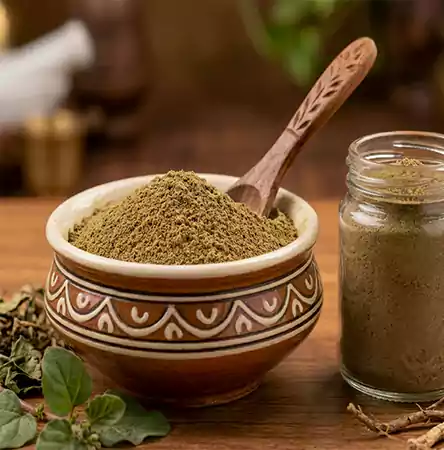 | The powder can be consumed with warm water, honey, or milk, according to one’s taste preference. |
Kadha (decoction)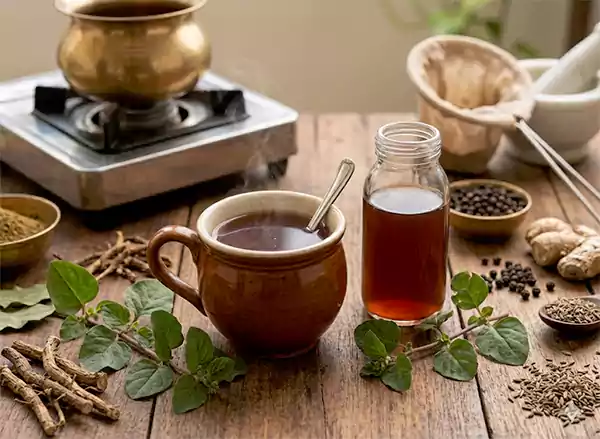 | Prepare kadha by boiling the powder in water and reducing it to a concentrated liquid form. |
Fresh Juice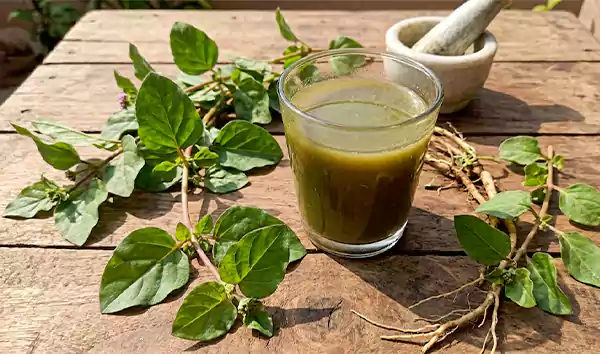 | Wash the leaves and roots thoroughly. Crush them using a blender and strain the juice. Consume the juice directly or mix it with honey or black ginger to mask the taste. |
Tablets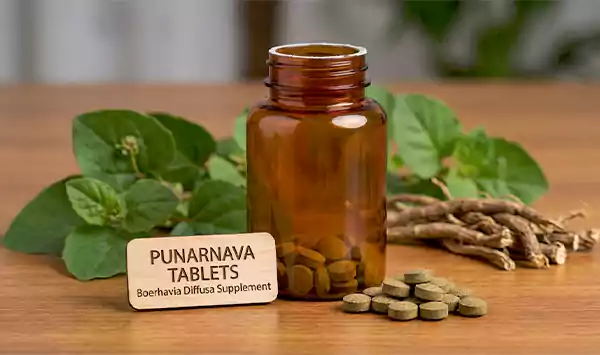 | It is suggested to take punarnava tablets after meals, typically with water to support absorption. |
Topical application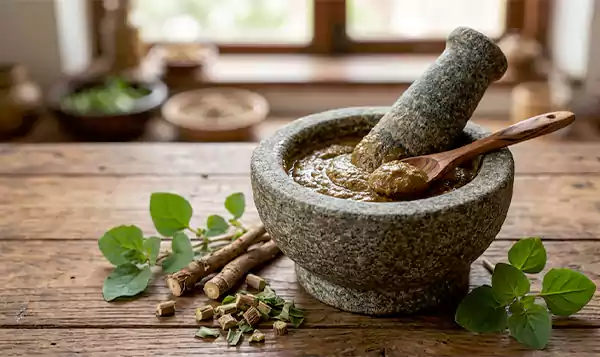 | Mix punarnava powder with water, milk, or ghee to create a paste. Apply directly to the affected area to treat edema or joint pain. Note: Always conduct a patch test before using, especially on sensitive skin. |
Did you know?
Punarnava fruit is generally edible, though it is less commonly used when compared to leaves and roots. It is usually cooked in dishes rather than eaten raw.
Recommended Dosage of Punarnava
| Forms | Dosage |
| Churna (powder) | 1/2 to 1 teaspoon of powder twice daily with water |
| Fresh Juice | 10-15 ml twice a day with water |
| Tablets | As per the doctor’s recommendation |
Best Time to Consume Punarnava
- Morning routine: Consuming the herb on an empty stomach supports kidney and liver health.
- Meal-related timings: Can also be consumed before or after meals to aid digestion and nutrient absorption.
- Seasonal Considerations: Usage may be adjusted as per the seasons, as it helps balance fluids in the body.
Note: The following information is for educational purposes and should not be taken as medical advice. Consult with a healthcare professional or an Ayurvedic practitioner before starting any herbal regimen.
Modern Scientific View on Punarnava
While researching Punarnava benefits, I got to study many scientific studies on the ayurvedic herb. The studies were conducted to evaluate its effectiveness in health issues like diabetes and cancer. Take a look at them below:
Study Year: 2025
Aim: To validate the findings from the available literature regarding Punarnava (Boerhavia diffusa) and to understand the safety and effective dosage, side effects, if any, when it is prescribed to diabetic patients.
Method: A questionnaire-based survey was conducted on 101 ayurvedic practitioners.
Results: Around 71%, 66%, 55%, and 33% doctors reported that Punarnava possessed anti-inflammatory, diuretic, hepatoprotective, and anti-diabetic properties, respectively. In addition to that, 83% doctors agreed that its consumption has no side effects and 81% found it safe for long-term usage.
Study Year: 2009
Aim: To investigate the anti-metastatic potential of Punarnavine on cancer cell progression, specifically focusing on its ability to inhibit invasion, migration, and angiogenesis.
Method: Studies were conducted using B16F-10 melanoma cells and Human Umbilical Vein Endothelial Cells to test migration and capillary tube formation. Experiments involved C57BL/6 mice and Balb/c mice using oral or intraperitoneal administration of Punarnavine. Techniques included gelatin zymography, Western blotting, histopathology, and immune cell assays.
Results: Studies show punarnava downregulates Matrix Metalloproteinases and VEGF, while boosting the immune response to reduce tumor spread in lungs, liver, and lymph nodes.
Source: ScienceDirect
Side Effects and Precautions of Punarnava
It is important to avoid excessive consumption; otherwise, Ayurvedic medicine has side effects, too. The herb can cause issues like dehydration, stomach upset, and low blood pressure. Furthermore, it is advised to exercise caution and avoid it during pregnancy and in cases of kidney disease.
Side Effects of Punarnava
- Electrolyte Imbalance
If used in excess, the strong diuretic nature can cause dehydration, lowered potassium levels, and muscle weakness.
- Gastrointestinal Distress
Due to its heating properties, it may cause vomiting, nausea, and stomach discomfort in individuals who are sensitive to the laxative effect or have taken it in high doses.
- Low Blood Pressure
This ayurvedic remedy’s hypotensive and antihypertensive effects can cause an excessive drop in the blood pressure levels, particularly when taken with other medications.
- Allergic Reactions
The plant can cause allergic reactions in some individuals, such as skin rashes, itching, and throat irritation.
Precautions and Contraindications While Consuming Punarnava
- Pregnancy and Lactation
It is suggested not to use the herb during pregnancy and lactation because of its potent diuretic and bioactive properties. Its consumption may cause hormonal imbalance or uterine stimulation, which can be risky in these conditions.
- Children
The high doses of this herb should be avoided by children under 12 years of age. It can cause gastrointestinal disturbances, fatigue, and allergic reactions in the developing bodies.
- Medicinal Interactions
Consume the herb cautiously or after talking to a doctor if you are taking medications for chronic kidney disease, heart issues, or diabetes.
Bottomline
Purnarnava is a well-known herb in Ayurveda that is considered effective for its rejuvenating and anti-inflammatory properties. Traditionally used to treat urinary disorders and manage water retention, punarnava benefits our overall well-being by supporting the liver, kidneys, and joints. Besides its consumption, it is also used topically to treat many skin conditions.
To choose the right Ayurvedic supplement, it is always recommended to consider its side effects and precautions. Additionally, consult a health practitioner before starting the medicinal doses.
FAQs
Q1: What are the Punarnava benefits for kidney health?
Ans: Yes! The Punarnava benefits for kidney health with its natural diuretic properties. It helps flush out toxins from the body and reduce strain on the kidneys, ultimately supporting overall kidney function.
Q2: What are the Punarnava benefits for weight loss?
Ans: Yes! Punarnava benefits in losing weight as the herb improves digestion and boosts metabolism. It may also help in water retention and detoxify the body, which are beneficial for weight loss.
Q3: Does Punarnava help in wound healing?
Ans: Yes! Punarnava can help in wound healing by reducing swelling and restoring normal skin texture. The herb has healing and anti-inflammatory properties, which lead to faster recovery and reduction in swelling. Traditionally, the herb is applied topically on the affected area to promote healing.
Q4: What is the English name for Punarnava?
Ans: Punarnava is known as Spreading Hogweed or Pigweed in English.
Q5: What is Punarnava used for?
Ans: Punarnava is an ayurvedic herb that is used to treat many health issues, including kidney, liver, and skin issues. It is a rejuvenating and diuretic herb that helps with many respiratory issues and joint pain.