

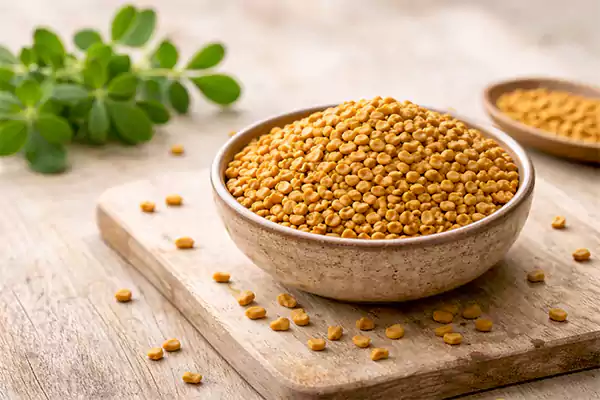
Fenugreek seeds, which are called methi dana in Hindi and methika in Sanskrit, are the yellow-brown, pungent seeds of the Trigonella foenum-graecum plant. They have been a traditional Indian kitchen staple for centuries due to their bitter-sweet flavour and intense aroma.
Beyond cooking, methi dana provides many medicinal benefits, including diabetes management, improving gut health, and enhancing hair and skin.
Having consumed soaked fenugreek seeds daily, I have experienced significant improvements in my digestion. Explore this guide for the complete fenugreek seeds benefits, recommended dosage, and necessary precautions to improve your well-being.
Ayurvedic Benefits of Fenugreek Seeds
Methi is not just an ordinary Indian kitchen spice; it is a spellbinding ayurvedic herb that can significantly improve many health issues, like indigestion, uncontrolled blood sugar levels, and joint and bone pain. Let’s unlock the benefits of this herb one by one, as per Ayurveda for beginners:
- Improves Digestion
Due to its high fibre content, methi dana is a wonderful ayurvedic remedy to alleviate digestive issues like occasional gas, bloating, and constipation. It works as an effective appetite builder by stimulating the agni (digestive fire) and balancing the vata and kapha dosha. Thereby, its regular consumption results in soothing the reflux and easing the gastrointestinal inflammation.
- Balances Blood Sugar & Metabolism
By balancing the kapha dosha, methika slows down the sugar absorption in the intestine, which reduces the fasting blood sugar levels in the body. Well regarded for its tikta (bitter taste) and ushna virya (hot potency), it reduces the ama (toxins) from the body, as a result, enhancing fat metabolism.
- Improves Hair and Skin Health
Being rich in protein, minerals, and phytonutrients, methika reduces scalp inflammation, hair breakage, and premature greying. Beyond oral consumption, methi dana and leaf paste have been used traditionally in treating issues like an itchy scalp and dandruff because of their antimicrobial properties.
In addition to that, as a natural cleanser and anti-inflammatory agent, fenugreek seeds benefits in skin issues like acne, wrinkles, and skin irritation.
You can also use the overnight-soaked seeds in the form of a hair mask. As a natural hair conditioner, fenugreek seeds benefits for hair by restoring shine and smoothness.
- Promotes Weight Management
Methi dana has high fibre content that helps in curbing the appetite and boosting metabolism. As a result, it is one of the effective Ayurvedic herbs for weight management and aiding in satiety. Increasing the metabolic rate, it causes the faster breakdown of the accumulated fat in the body, ultimately helping with obesity.
- Relieves Joint and Bone Pain
Thanks to their warming nature, fenugreek seeds benefits primarily by balancing the vata dosha that is responsible for joint and bone pain in the body. It reduces swelling and stiffness and supports overall bone health because of its anti-inflammatory and anti arthritic properties.
Fenugreek Benefits for Men
There are many ayurvedic herbs that can improve male health, including gokshura in body building and shilajit and ashwagandha in mental and physical wellbeing. Similarly, methi dana, as a natural aphrodisiac, can also lead to increased testosterone levels, enhance libido, and improve the overall reproductive function in men. Furthermore, its heating nature and vata and kapha balancing properties can cause healthy muscle mass.
The study by the National Center for Biotechnological Information has also validated the claim that fenugreek has a positive effect on libido and maintains healthy testosterone levels.
Fenugreek Benefits for Women
One of the well-known fenugreek seeds benefits is the enhancement of breast milk production among lactating mothers. Due to its galactagogue property and being rich in phytoestrogens, it helps mimic the natural action of oestrogen in the female body, which results in healthier milk flow. That’s why the right intake method can lead to increased milk amount and infant weight gain.
The warming herb can also help in alleviating menstrual cramps and supporting the PCOS or PCOD symptoms, such as weight gain and irregular periods.
Nutritional Value and Ayurvedic Properties of Fenugreek Seeds
Methika is certainly a nutrient-dense powerhouse! A tablespoon of this medicinal spice contains protein, fibre, iron, magnesium, and other essential vitamins that support our overall wellbeing.
Furthermore, it encompasses many health-promoting properties that align well with the Ayurvedic principles of preventive health, like vata and kapha balancing and ushna potency.
Take a look at the fenugreek nutrition and ayurvedic properties before understanding the right ways to incorporate it in your daily routine:
Nutritional Value of Methi Dana in a Tablespoon (About 11 g)
| Nutrient | Quantity |
| Calories | 35 |
| Protein | 3g |
| Dietary Fibre | 3g |
| Carbohydrates | 6g |
| Fats | 1g |
| Iron | 3.72 mg (20% of the daily value) |
| Magnesium | 21.2 mg (5% of the daily value) |
| Manganese | 0.137 mg (6% of the daily value) |
| Sodium | 7 mg |
Ayurvedic Properties of Methi Dana
| Property | Action |
| Rasa (taste) | Tikta (bitter), Katu (pungent) |
| Guna (quality) | Laghu (light to digest), Snigdha (oily/ unctuous) |
| Virya (potency) | Ushna (hot) |
| Vipaka (post-digestive effect) | Katu (pungent) |
| Dosha Karma | Primarily balances the vata and kapha dosha and may increase pitta dosha because of its warming nature. |
How to Use Fenugreek Seeds?
Methi is already an essential kitchen ingredient in Indian households with its distinctive bitter taste and nutty flavours. I myself have seen it being used regularly for tadka (tempering) in dals and vegetables in my home.
But what many people don’t know is that according to Ayurveda, methi is highly versatile and can be safely used for both internal consumption through powder and soaked seeds and external application for beauty and healing. Here’s the breakdown on how you can include this herb in your daily routine:
Internal Use (Ahar and Aushadhi Form)
- Soaked Seeds and Sprouts

Soak 1-2 teaspoons of the methi dana in a cup of water overnight. In the morning, drink the water and chew the seeds. There are many benefits of fenugreek seeds soaked in water, as it enhances metabolism. If you don’t like the bitter taste, then you can consider soaking them for 2-3 days until they sprout. Sprouted seeds are less bitter and can also be added to salads.
- Fenugreek Water
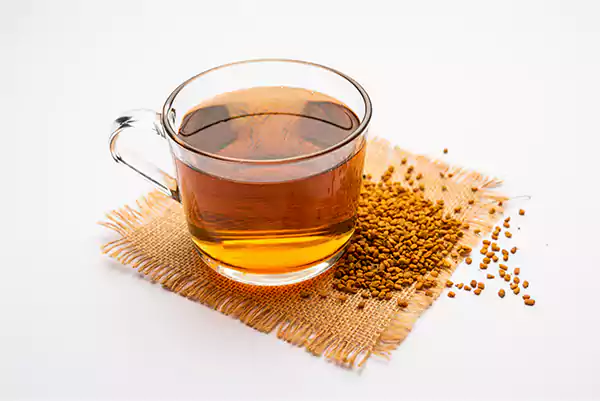
Add 1-2 tablespoons of the methi dana to a bottle of water, and soak it overnight. Consume this fenugreek-infused water throughout the day for detoxification and weight management.
- Methi Powder
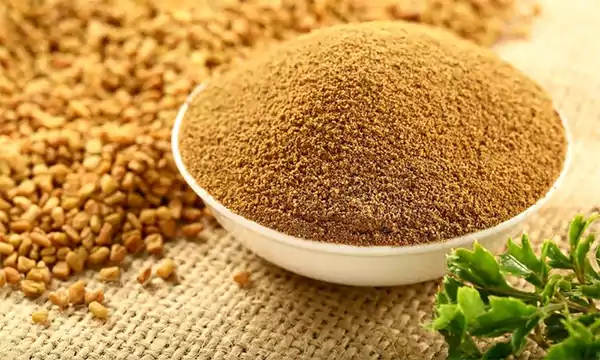
Lightly dry roast the seeds and grind them into a smooth, fine powder, and store them in an airtight container. Mix 1-2 teaspoons of this powder in water, buttermilk, or honey and take it to the empty stomach to see the wonderful fenugreek seeds benefits. You can also add this powder to the curries and stews to get an enhanced flavour.
Bonus Tip
As methi has a warming nature and can cause too much heat in the body, it is often paired with the cooling herbs like amla and shatavari powder.
- Methi Dana Tea
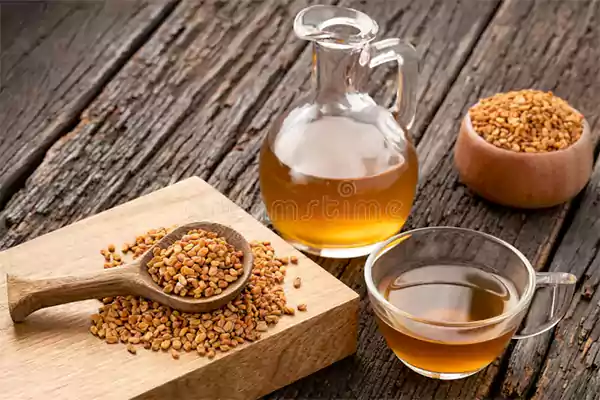
Boil 1-2 teaspoons of crushed seeds in a cup of water. Strain the seeds, and consume this tea 1-2 times a day for improved digestion. You can also add honey, black ginger, cinnamon, elaichi, or lemon to it to make it more palatable and beneficial.
Did You Know?
Due to its antifungal and antibacterial properties, methi is used as a natural preservative in the preparation of achar (pickle) that helps extend its shelf life.
External Use (Lepa and Taila Form)
| Method | Preparation |
| Hair Pack | Soak 1-2 tablespoons of methi seeds overnight. In the morning, grind them into a fine paste and apply it to your hair and scalp. Leave for 30-60 minutes and wash it off with mild shampoo. This will help with issues like dandruff and hair fall. |
| Skin Mask | Mix a tablespoon of fenugreek powder with yoghurt or honey and apply the mixture on the face. Leave for 20-30 minutes and rinse the face with lukewarm water to brighten up the skin. |
| Hair Oil | Mix 30 g of the methi powder with 150 ml of coconut or sesame oil. Keep it under the sun for 6 days and filter to make a hair growth boosting hair oil. |
| Boil or Abscess Pack | Mix the powder with water to create a thick, warm paste. Apply the pack on wounds and abscesses to reduce pain and swelling. |
Dosage and Timings for Taking Fenugreek Seeds
Matra (dosage) and kaala (timing) play a highly critical role when you want to choose the right ayurvedic supplement and dictate its safety for your health. Fenugreek seeds also need to be consumed in limited amounts and at the right time to provide faster results. It is generally found that 5-10g of the seeds are safe for daily intake before or with meals.
The Right Dosage of Methi Dana
Note: The above mentioned dosage is for general knowledge and should not be considered medical advice. Always consult a doctor before starting any ayurvedic supplements. |
Best Time to Consume Methi Dana
|
Note: Avoid consuming methi excessively in the summer and warm weather. Due to its ushna potency, it can increase pitta dosha that causes issues like diarrhoea, nausea and stomach irritation.
Side Effects and Contraindications for Fenugreek Seeds
Unpopular opinion, but like any other health supplement, Ayurvedic medicine have side effects, too. Whenever you decide to try Methika as a remedy, it is always recommended to follow the suggested dosage and precautions, and most importantly, listen to your body.
If you see any side effects like diarrhoea and stomach cramps, stop its intake and see the doctor immediately.
Potential Side Effects
- Pitta Imbalance
Due to its sharp and hot potency, it can increase pitta in the body, which causes burning sensations in the stomach and acne on the face.
- Digestive Issues
If somebody has weak digestion and the body is not used to high fibre content, fenugreek can lead to digestive issues like bloating, diarrhea and loose stools.
- Allergic Reactions
It can cause cross-reactions in people who are allergic to the legume family, such as peanuts and chickpeas. That can lead to allergies like difficult breathing and facial swelling.
Contraindications and Caution
- Pregnancy
Though the culinary amount is safe, it is strongly advised to avoid the medicinal doses of fenugreek seeds in pregnancy, as they can stimulate uterine contractions, which can cause miscarriage.
- Medicinal Interactions
If somebody is on a diabetes medication, they should start high doses of methi with caution as it can significantly drop the blood sugar levels. Additionally, it can also interact with blood-thinning medication and cause bleeding and bruising.
What Modern Science Says about Fenugreek Seeds?
What is Ayurveda? This question is being explored today in modern science, which is making its transition from the traditional system to evidence based healthcare model. In recent years, there have been many studies conducted on methi dana to validate the herb as an evidence based cure. Let’s see some of the studies in detail:
- Effect on Breast Milk Production and Infant Weight Gain
A study conducted by Clinical Epidemiology and Global Health in 2020 found that consumption of overnight soaked fenugreek seeds can improve breast milk production in postnatal mothers. Researchers have also discovered that the remedy has led to increased urination and weight gain in the infants in the first week of life.
- Helps in Type 2 Diabetes Management
Methi seeds can help prevent Diabetes by supporting better metabolism. The 2019 study by the National Center of Biotechnology Information supports this claim. It was a placebo-controlled trial that discovered that 5g of fenugreek powder taken twice daily for two months can improve blood sugar levels, reduce BMI and enhance the quality of life in Type 2 Diabetes patients.
- Improves Muscle Strength and Reduces Fat
A 2020 study published in Translational Sports Medicine, which featured 138 patients, has found that fenugreek extract is safe and effective if combined with callisthenics. It can also improve muscle strength, lean muscle mass, and decrease body fat.
Concluding Remarks
Ayurveda is rightly called the “science of life” with so many natural remedies that focus on the holistic wellness of an individual. There are many ayurvedic fenugreek seeds benefits due to its warming nature and bitter taste profile, including boosting metabolism, improving digestion and enhancing male fertility.
Though it is best to consult a doctor first if you are planning to take high doses of the herb. It is always suggested to take into consideration the side effects and precautions, and start with small quantities to let your body adjust.
FAQs
Q1: What are the most significant fenugreek seeds benefits?
Ans: There are many benefits of fenugreek seeds, as a vata and kapha balancer, it improves digestion, boosts metabolism and supports skin and hair health. Recent researches have shown that it can also help manage Type 2 Diabetes and improve the production of breast milk in postnatal mothers.
Q2: What are the potential side effects of taking methi dana?
Ans: The improper dosage of this herb can lead to many health issues, like diarrhoea, stomach discomfort, allergic reactions and excessive drop in the blood sugar levels.
Q3: Can fenugreek help with indigestion and constipation?
Ans: Yes! The herb is rich in fibre that can ease bowel movements, working as a natural laxative. Moreover, with the mucilaginous texture, it coats the stomach lining and reduces acidity and bloating.
Q4: What is the best way to consume the methi seeds for breastfeeding mothers?
Ans: The lactating mothers can consume the seeds in many ways to improve the breast milk production. One of the best ways is to soak the seeds overnight and eat them in the morning. But if the morning ritual is not looking suitable, they can also have it in the form of a tea combined with honey for a better taste.
Sources: