


Multiple strategies exist to ensure your body still receives the essential nutrients that vegetables provide. By understanding alternative sources and supplementation options and the importance of healthy bites, you can maintain optimal nutrition even when your vegetable consumption falls short of ideal levels. Many people struggle to consume the recommended daily servings of vegetables. Whether due to busy schedules, dietary preferences, or limited access to fresh produce, insufficient vegetable intake is a common challenge.
Understanding Your Nutritional Gaps
When you don’t eat enough vegetables, particular nutrient deficiencies become more likely. Vegetables are rich sources of vitamins, minerals, fiber, and phytonutrients that support immune function, energy production, and overall health. Major deficiencies from low vegetable intake include insufficient vitamin C, potassium, folate, and magnesium. Recognizing which nutrients you might be missing is the first step toward addressing the problem. By identifying your particular gaps, you can aim at your nutritional strategy more effectively and avoid wasting time or money on supplements you don’t actually need.
Incorporating Other Whole Food Sources
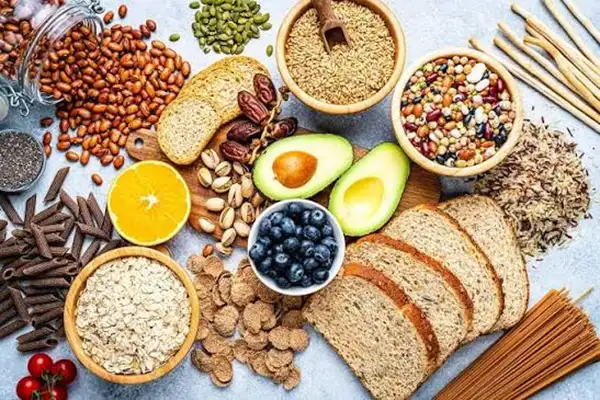
Fruits can serve as excellent substitutes for some nutrients rarely found in vegetables. Berries, citrus fruits, and tropical varieties provide vitamin C, antioxidants, and fiber comparable to many vegetables. Whole grains offer B vitamins and magnesium that aid energy metabolism and nervous system function. Legumes such as beans, lentils, and chickpeas deliver plant-based protein, fiber, and minerals like iron and zinc. Nuts and seeds offer healthy fats, vitamin E, and additional minerals that contribute to overall nutritional balance. By diversifying your food choices across these categories, you create a more complete nutrient profile without depending solely on vegetables.
Considering Supplementation Options
Dietary supplements can fill nutritional gaps when whole foods alone don’t meet your requirments. Multivitamins designed for your age and gender provide a broad spectrum of essential nutrients in convenient form. Individual supplements targeting particular deficiencies, such as vitamin D or magnesium, allow for precise nutrient management based on personal needs. For those who want a convenient, plant-focused solution, greens powders have grown in popularity as a way to pack multiple vegetable-derived nutrients into a single daily serving; ON3 Athletic is one of the brands athletes and health-conscious people turn to when researching the best greens powder brands for purchase. Always consult with a healthcare provider before considering any supplement regimen, as they can recommend appropriate dosages and identify potential interactions with medications you might be taking.
Exploring Nutrient-Dense Animal Products
Meat, fish, eggs, and dairy products contain concentrated sources of nutrients usually associated with vegetables. Fish rich in omega-3 fatty acids provides compounds that support heart and brain health. Beef and other red meats deliver iron, zinc, and B vitamins important for energy and immune function. Eggs contain choline, lutein, and zeaxanthin, which support cognitive and eye health. Greek yogurt and other dairy options offer calcium, vitamin D, and protein for bone strength and muscle maintenance. Including these foods strategically in your diet helps compensate for reduced vegetable consumption and supports the building blocks of wellness.
Using Fortified and Enriched Foods
Many commercially available foods are fortified with vitamins and minerals to improve their nutritional value. Cereals often contain added B vitamins and iron, making them effective contributors to daily nutrient intake. Plant-based milk alternatives generally include added calcium and vitamin D to match dairy nutrition profiles. Fortified orange juice provides vitamin C and sometimes calcium and vitamin D simultaneously. Whole grain breads are frequently enriched with B vitamins that support metabolism and energy production. Reading nutrition labels genuinely helps you identify and select fortified products that address your specific nutritional needs.
Adopting Practical Meal Planning Strategies
Strategic meal planning ensures you maximize nutrient intake from the foods you do eat every day. Preparing meals that combine different nutrient-dense foods creates synergistic effects where certain nutrients enhance the absorption of others. For instance, pairing plant-based iron sources with vitamin C-rich foods improves iron absorption significantly. Batch cooking and meal preparation make it easier to maintain consistent, balanced nutrition even during demanding periods. Keeping a simple food diary lets you track nutrient intake and identify patterns in your diet, allowing you to make informed adjustments over time. This practical approach removes guesswork and makes sure that you are meeting your nutritional goals systematically.
Conclusion
Getting adequate nutrients without eating enough vegetables is entirely achievable through multiple complementary approaches. By combining whole food alternatives, strategic supplementation, fortified products, and impactful meal planning, you can maintain complete nutrition despite lower vegetable consumption. The key is understanding your specific nutritional needs and selecting the strategies that best fit your lifestyle and preferences. Taking the required action to address potential nutritional gaps supports better energy levels, stronger immunity, and improved overall health over the long term.
Frequently Asked Questions
Can fruits replace vegetables in your diet?
Fruits do not provide the exact same nutrients as vegetables, but they can be a good source of essential nutrients and fibre.
Which foods can help compensate for low vegetable intake?
Whole grains, beans, lentils, chickpeas, nuts, seeds, fruits, eggs, dairy products, and fish can help compensate for low vegetable intake.
What nutrients can be missed by avoiding vegetables?
Avoiding vegetables can make it harder to get sufficient vitamin C, potassium, folate, magnesium, and dietary fibre. But the deficiencies depend on overall diet.