

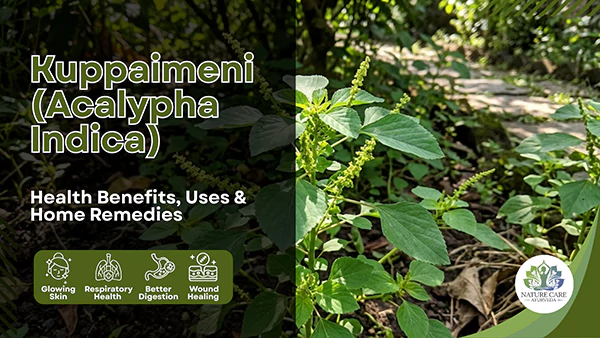
Kuppaimeni, also known as Haritha Manjari in Sanskrit, is a highly revered herb in Siddha and Ayurveda medicine for its miraculous health benefits. Ranging from skin issues to digestive ailments, the medicinal plant has been used extensively for centuries in India to support our overall well-being.
I prefer to use its leaves in the form of a paste on minor cuts and insect bites for quick relief. If you wish to add this natural therapeutic remedy to your daily regimen, read this article to discover its uses, potential side effects, and botanical classification.
- Health Benefits and Uses of Kuppaimeni
- Kuppaimeni: Taxonomical Overview, Origin and Common Names
- Nutritional Composition and Ayurvedic Properties of Kuppaimeni
- How to Use Kuppaimeni? Dosage and Home Remedies
- Modern Scientific Research on Kuppaimeni
- Side Effects and Precautions of Kuppaimeni
- Final Thoughts
- FAQs
Health Benefits and Uses of Kuppaimeni
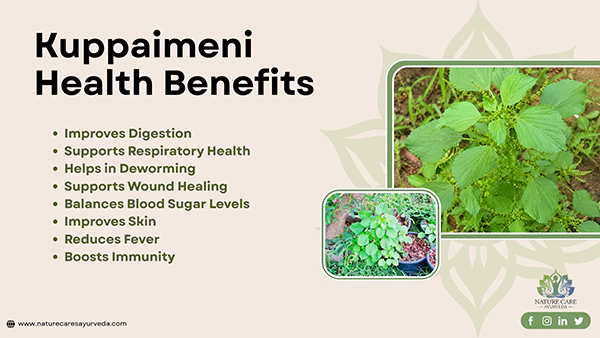
Kuppaimeni in English, is famous as the Indian nettle, a potent herb that provides a wide range of health benefits. If consumed regularly, it can improve digestion and respiratory issues like cough and asthma. The remedy is also applied topically for wound healing and to support various skin issues like acne and fungal infections. Here are the top advantages of using Indian nettle:
1. Improves Digestion
Kuppaimeni, working as a natural laxative, promotes regular bowel movements and, as a result, helps maintain a healthy gut. The herbal flora also stimulates the digestive enzymes, which soothe indigestion and bloating. Overall, the regular consumption of the herb improves the overall gut health and agni (metabolic fire).
2. Supports Respiratory Health
Kuppaimeni benefits in improving respiratory health with its powerful anti-inflammatory properties. It is a valued traditional medicine in Ayurvedic and Siddha traditions for helping with issues like cough, asthma, and bronchitis.
Due to its expectorant action, it clears mucus from the respiratory tract and eases breathing. Indian nettle oil is used for steam inhalation for quick relief from congestion.
3. Helps in Deworming
Haritha Manjari is traditionally used to expel worms from the intestines due to its anthelmintic properties, especially in children. Its anti-parasitic action eliminates the gastrointestinal parasites without causing harm to the gut. If you want to get rid of the worms, consume the indian nettle juice or decoction.
4. Supports Wound Healing
When applied topically, the herb benefits as a vranaropaka (wound healer). It is one of the best benefits of Ayurvedic medicine as it helps accelerate tissue regeneration. With its antimicrobial properties, the Ayurvedic remedy also prevents infection on cuts, burns, and ulcers, which promotes faster healing.
A 2017 study by the International Education and Research Journal highlights the use of Acalypha Indica herbal extract on cotton socks for the healing of cracked feet.
Did you know?
Kuppaimeni is historically used as the first-line village treatment to counter venom from the Russell Viper due to its anti-venom properties.
5. Balances Blood Sugar Levels
Indian nettle has hypoglycemic properties with which it can dramatically reduce the sugar spikes in our body and maintain healthy blood sugar levels. This is the reason the plant is believed to be beneficial for diabetic patients.
One of the studies mentioned on ResearchGate also concluded that Acalypha indica has anti-diabetic and hypo-lipidemic properties.
6. Improves Skin
Kuppaimeni benefits for skin by balancing the kapha dosha, which is responsible for excess oil on the face. With these antibacterial and antifungal properties, it helps to clear pimples, fungal infections, and soothes conditions like eczema and psoriasis.
It has a cooling sensation that provides pain relief in insect bites and allergic reactions. The herb is also used as a natural exfoliator, removing dead skin cells and unclogging pores.
A 2023 study by ResearchGate supports the use of the Kuppaimeni leaves against microbes causing skin diseases due to their anti-inflammatory and antimicrobial properties.
7. Reduces Fever
One of the lesser-known Kuppaimeni uses is that it is helpful in fever reduction. Due to its antipyretic properties, it may bring down fever and provide relief from accompanying symptoms like headache and body aches.
8. Boosts Immunity
Haritha Manjari is a natural immunity booster. It is rich in antioxidants that help protect the cells from oxidative stress, allowing your immune system to function efficiently. Regular consumption of it may strengthen the immune system, helping the body to fight various infections and diseases.
Kuppaimeni: Taxonomical Overview, Origin and Common Names
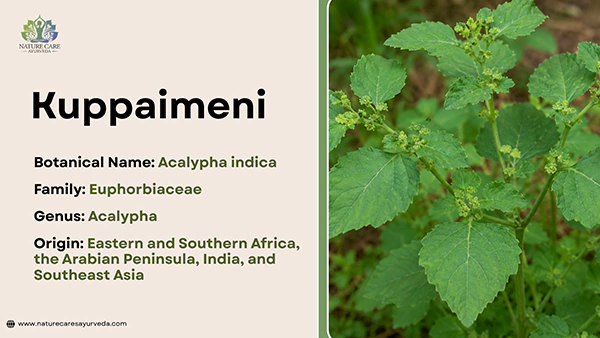
Kuppaimeni’s botanical name is Acalypha indica, and it is a herbaceous annual plant. Belonging to the Spurge family, the plant is often seen growing as a weed in wastelands and roadsides. Take a look below to understand its taxonomy:
| Kingdom | Plantae |
| Order | Malpighiales |
| Family | Euphorbiaceae |
| Genus | Acalypha |
| Species | Acalypha indica |
| Origin | The plant is native to Eastern and Southern Africa, the Arabian Peninsula, India, and Southeast Asia. |
| Common names |
|
Did you know?
Indian nettle contains compounds in its roots and leaves that attract domestic cats. It is known as poonai mayakki in Tamil, which means “herb that tranquilizes cats”.
Nutritional Composition and Ayurvedic Properties of Kuppaimeni
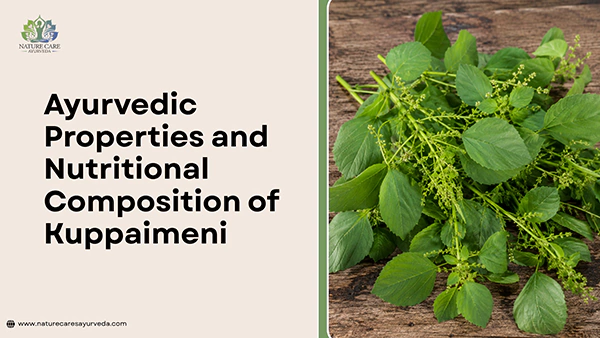
A 100g edible portion of the indian nettle leaves can provide nutrients like protein, calcium, iron, and phosphorus. It is a highly valuable herb in Ayurveda due to its katu (pungent) post-digestive effect and kapha- and vata-balancing nature. Here is its nutritional analysis and ayurvedic properties:
Nutritional Composition of Indian Nettle Leaves (100g)
| Nutrient | Value |
| Protein | 4.8 g |
| Fiber | 2.5 g |
| Calcium | 170 mg |
| Iron | 6.2 g |
| Phosphorus | 40 mg |
| Vitamin C | 60 mg |
| Beta-Carotene | 2800 µg |
Ayurvedic Properties of Indian Nettle
| Rasa (taste) | Tikta (bitter) and katu (pungent) |
| Guna (quality) | Rooksha (dry) and laghu (light) |
| Vipaka (post-digestive effect) | Katu (pungent) |
| Veerya (potency) | Ushna (hot) |
| Dosha Action | Balances kapha and vata dosha, may aggravate the pitta dosha due to heating potency. |
How to Use Kuppaimeni? Dosage and Home Remedies
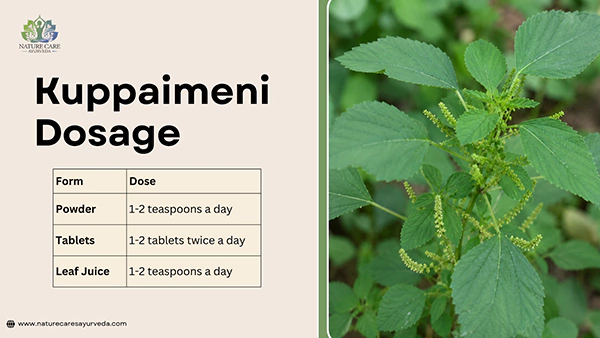
Indian nettle is used widely for both consumption and topical application due to its proven benefits. It’s generally safe to use it in controlled dosages of 1-2 teaspoons as a powder. If you want to integrate this herb into your daily routine, you can make kuppaimeni leaf kadha or use leaf paste as a poultice.
Right Dosage of Indian Nettle
| Form | Dose |
| Powder | 1-2 teaspoons a day |
| Tablets | 1-2 tablets twice a day |
| Leaf Juice | 1-2 teaspoons a day |
Note: The above-provided information is for educational purposes only and should not be considered medical advice. Always consult an Ayurvedic or Siddha practitioner before starting medicinal doses of this herb.
Indian Nettle Home Remedies
- Internal Use
Home Remedy Description Kadha (decoction) 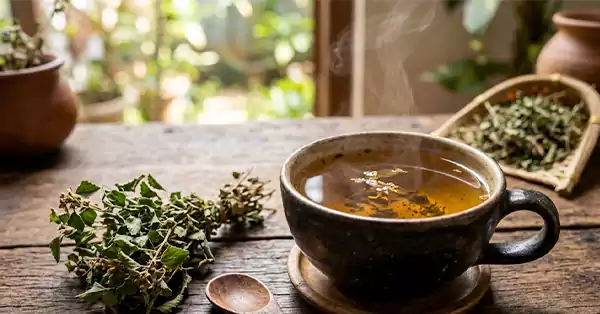
Boil 10-15 leaves in 2 cups of water until it is reduced to 1 cup. Strain the leaves and drink. Add honey to the mix for better taste and enhanced benefits. Churna (powder) 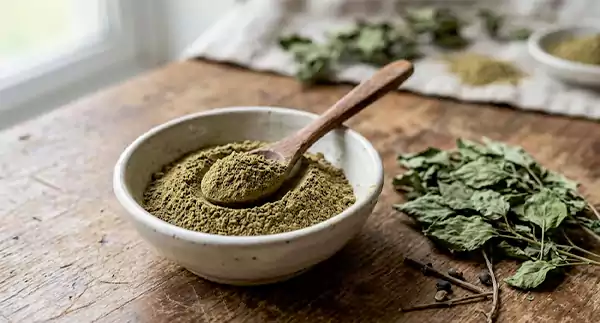
Mix 1-2 teaspoons of powder with honey with warm water. Consume it once daily. In Cooking 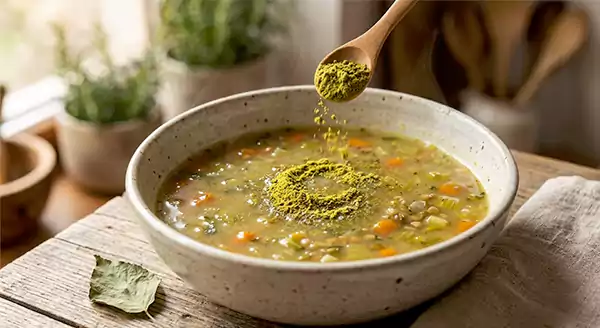
Use the powder in stir-fry, dal curry, soup, and porridge for added nutrition. Note: Ensure that you collect the leaves from unpolluted and pesticide-free areas. - Topical Application
Home Remedy Description Bath Powder 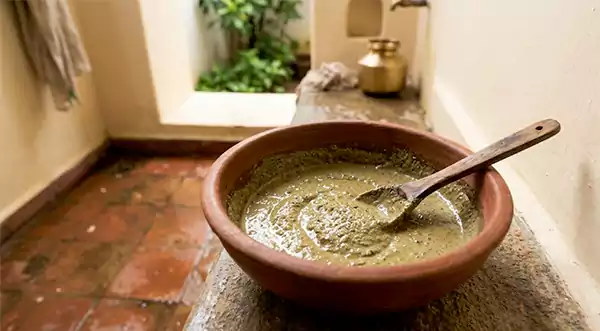
Mix 2-3 tablespoons of the powder with water, rose water, or milk to form a paste. Apply as a body scrub before bathing to soothe skin allergies and remove dead skin. You can use it as a face pack as well. Fresh Leaf Paste 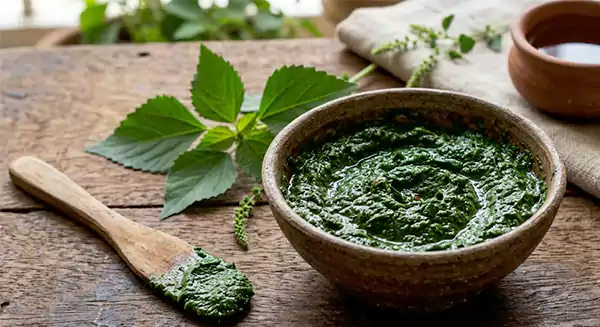
Take the fresh leaves, wash them thoroughly, and grind them into a smooth paste. Apply the paste to acne, boils, and insect bites. Leave for 15-20 minutes and rinse off. As a Poultice 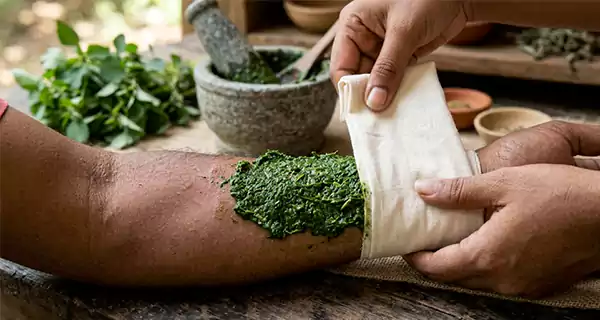
Apply the warm paste of the fresh leaves directly over wounds and painful joints for pain relief. Consider mixing it with a carrier oil like coconut oil for better results. Kuppaimeni oil can be used for hair massage to treat dandruff, scalp infection, and hair fall. It is also used for steam inhalation to clear congestion.
Note: Always conduct a patch test as the herb can cause allergic reactions in some individuals.
Quick Tip
Wrap the leaves in a banana leaf or cloth and place them in the refrigerator. Use the fresh leaves within 2-3 days for maximum benefits. For extended use, sun-dry and powder them.
Modern Scientific Research on Kuppaimeni
In recent years, there have been many scientific studies conducted to understand the role of Kuppaimeni in various ailments. Take a look below at the studies that highlight the herb’s usage in herbal soap formulation and its wound-healing potential.
Study Year: 2023
Aim: To formulate an antifungal herbal soup containing Acalypha indica extract and assess its role against fungal infections.
Method: The Acalypha indica extract was selected and incorporated into a herbal soup formulation using the melt-and-pour method. Different evaluation methods were used to check the quality of the soup.
Results: The prepared soup showed positive results and does not cause any irritation to the skin. It shows the potential of Acalypha indica to be used in herbal cosmetic formulations.
Source: International Research Journals
Study Year: 2012
Aim: To investigate the wound healing potential of Acalypha indica extract and understand its effect on collagen expression in dermal wounds in rats.
Method: The extract was applied to the created wounds in rats, and healing changes were analysed.
Results: Acalypha indica extract enhanced wound healing by its ability to increase collagen synthesis and antioxidative potential.
Side Effects and Precautions of Kuppaimeni
Ayurvedic medicine have side effects, especially in cases of self-diagnosis. It is true for Kuppaimeni as well. In case of excessive consumption, it can cause nausea and stomach upset. The topical application can also lead to allergic reactions.
- Allergic Reactions: Topical application can lead to rashes, itching, and redness on sensitive skin.
- Gastrointestinal Distress: Excessive usage can cause nausea, stomach upset, and gastritis.
- Pregnancy and Lactation: Pregnant and breastfeeding women should avoid using it without medical supervision.
Final Thoughts
Kuppaimeni is undoubtedly a valuable addition to holistic health practices supporting skin, gut, and immunity. Whether you are applying it topically or consuming it internally, the herb has proven benefits in Ayurveda and Siddha medicine.
Incorporate this herb in your daily routine to tap into its various healing properties. Though it is recommended to consult a healthcare practitioner before starting its use, especially in cases of pregnancy, breastfeeding, and other underlying medical conditions.
FAQs
Q1: What are the Kuppaimeni benefits for face?
Ans: Due to its antifungal and antibacterial properties, the plant helps with acne and fungal infections. It is also used as a natural exfoliator, removing dead skin and unclogging pores.
Q2: Is Indian nettle safe for sensitive skin?
Ans: Yes, it is generally safe to use on sensitive skin. But it’s suggested to conduct a patch test to prevent allergic reactions.
Q3: Are there any side effects and precautions for Haritha Manjari?
Ans: The remedy can lead to side effects like allergic reactions and gastrointestinal issues. It is advised to avoid using it in conditions like pregnancy and lactation.
Q4: What is the botanical name of Haritha Manjari?
Ans: Haritha Manjari is scientifically called Acalypha indica and belongs to the Spurge family.
Q5: Can Indian nettle be used in the treatment of worms?
Ans: Yes! The herb has anthelmintic qualities that help in getting rid of intestinal worms. Its juice or decoction can be consumed for deworming.
Sources: