


As we all know, with aging come so many diseases and health problems. So, the only thing one can do to live healthy in their old age is to follow a healthy lifestyle. Many studies also believe that people who follow a good sustainable lifestyle live a longer and healthier life. And to live a comfortable life in your old age is not impossible; it just requires an honest commitment towards a consistent routine.
So, if you really want to spend your post-retirement age in your home rather than a hospital bed, do read this full blog to learn more.
Key Facts From WHO Data
- In 2050, 80% of people will be living in low- and middle-income countries.
- In 2020, the number of people in the age group of 60 and above outnumbered children younger than 5 years of age.
- The aging population pace is faster than in the past.
- Between 2015 and 2050, the population aged above 60 will double, i.e, from 12% to 22%.
- Why Health Management Becomes More Important with Age
- Build a Daily Balanced Nutrition Routine for Healthy Aging
- Ayurvedic Practices That May Support Older Adults’ Daily Wellness
- Manage Medicines, Supplements, and Herbal Products Carefully
- Maintain Regular Health Checkups and Preventive Care
- Final Considerations for Supporting Healthy and Active Aging
- Frequently Asked Questions:
Why Health Management Becomes More Important with Age

With growing age, the body accumulates cellular damage, which raises the risk of cellular damage and physical illness. Older people also suffer because of life transitions such as retirement, relocation, and the death of friends and family. These shifts in life affect them mentally and physically. Older age also comes with hearing loss, back and neck pain, diabetes, dementia, and many more such diseases.
Longer life not only gives opportunities to the people but also to society to benefit from the experience of the elderly.
Build a Daily Balanced Nutrition Routine for Healthy Aging
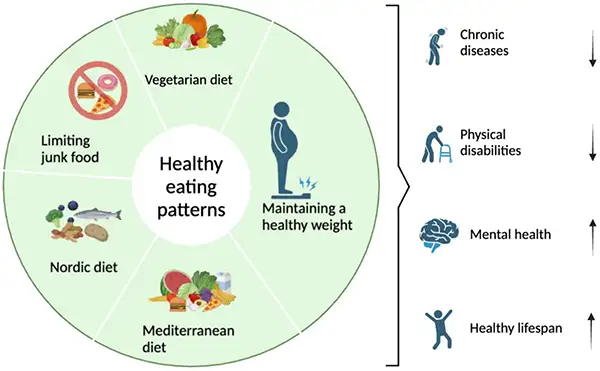
Here are some of the ways by which we can build a daily balanced nutrition routine and live healthy for years to come.
Fresh, Easy-to-Digest Foods
Nutrition has become important with age, as the body’s ability to absorb certain nutrients changes and the connection between diet and health becomes crucial. A diet rich in fibre, vegetables, fruits, lean proteins, and healthy fats is very important.
Easy-to-digest food options: Eggs, Oatmeal, Banana, Steamed Vegetables, Skinless Chicken, Flaky Fish, Yogurt, and Broth-based Soup.
Adequate Hydration and Meal Timing
Adequate hydration is another nutritional priority that many adults ignore. As the sense of thirst diminishes with age, the body needs water to remain intact. Drinking 7 glasses of water should be an essential dietary requirement. By keeping oneself hydrated, one can stay free from various diseases, and hydration also helps in digestion.
Fiber, Protein, and Nutrient-Rich Choices
By limiting heavily processed food, excess sodium, and added sugar, one can protect themselves from cardiovascular diseases and also reduce inflammation. A professional dietitian and nutritionist can help in making a personalized dietary chart.
Nutrients that should be taken every day: Broccoli, Spinach, Kidney Beans, Soybean, Tofu, Eggs, Seafood, Hummus, Nuts and Seeds.
Ayurvedic Practices That May Support Older Adults’ Daily Wellness
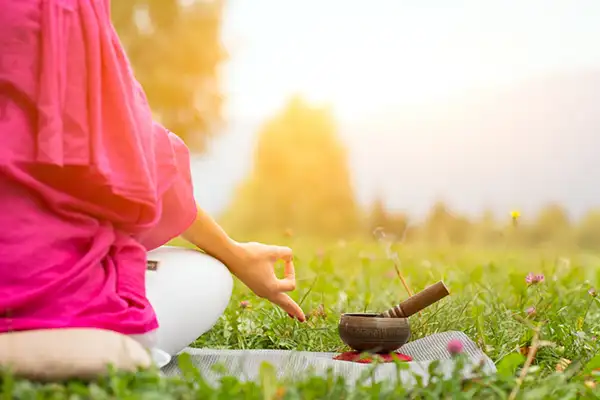
Ayurvedic practices help in improving the quality of life and self-dependency along with extending years of life.
Gentle Abhyanga and Body Care
In Abhyanga, the body is massaged with herbal-infused oil. It is believed to help balance the body’s energy, promote emotional well-being, and enhance physical health as well. The oils used in Abhyanga are Vata, Pita, and Kapha.
In Ayurvedic texts such as Charaka Samhita, it is mentioned that Abhyanga promotes youthfulness and vitality. Also, recent studies have proved that it helps in skin elasticity and reducing signs of aging.
Herbal Teas and Traditional Wellness Herbs
Herbal teas help in a relaxed, mindful lifestyle.
| Herbal teas and their uses | |
| Chamomile Tea | Helps in relaxing and support sleeping |
| Ginger and Cinnamon | Helps with warmth and digestive problems |
| Fennel Seeds | For everyday digestive wellness |
| Ajwain | Remedy for bloating and indigestion |
Meditation, Yoga, and Breathing Practices
Meditation and yoga practices need no introduction. Since ancient times, these practices have been considered healthy.
- Yoga helps in improving flexibility, balance, and strength.
- Meditation enhances mental focus and concentration.
- Breathing practices help the nervous system relax
Manage Medicines, Supplements, and Herbal Products Carefully

According to the National Institute of Aging, managing medicines, supplements, and herbal products carefully in older age prevents dangerous drug interactions and side effects. Steps one should follow:
- Make a list of all the medicines with their dosage that you take.
- Review and ask questions about your medicines.
- Check if you have any side effects from supplements.
- Always take your medicine on time.
Maintain Regular Health Checkups and Preventive Care

Maintaining regular health checkups not only helps you treat illness but also helps you avoid any diseases to begin with. Much evidence shows that routine health checkups can reduce the risk of death through early diagnosis and preventive care. Common health checkups that should be done regularly are:
- Blood Pressure
- Lipid Profile
- Thyroid Function
- Blood Sugar
These early care prevents new diseases from forming and support a disease-free, healthy lifestyle.
Final Considerations for Supporting Healthy and Active Aging
Improving health with age is actually possible, but only when you are willing to invest consistently in the healthy choices that matter the most. Proper nutrition, a healthy diet, adequate hydration, ayurvedic practices, yoga, and meditation are the keys to maintaining a sustainable approach to healthy aging, and each one supports the other that produce cumulative benefit over time.
The most important part of healthy aging is starting healthy practices, and the best time to start was yesterday, and the next best time is today. So, start where you are, make realistic goals, and give yourself full credit for the meaningful difference that you see from your consistent effort.
Frequently Asked Questions:
What are the three benefits of aging?
Ans. The three benefits of aging are greater emotional resilience, increased problem-solving skills, and more meaningful relationships.
What vitamins are good for healthy aging?
Ans. Vitamins such as vitamin C, vitamin D, vitamin E, and vitamin B-Complex (B12) are considered good to take to reduce the effects of aging.
What is the best food for an old-age person?
Ans. A balanced nutritional diet and easily digestible food that help in digestion and support bone health are best for an old-age person. Examples are eggs, whole grains, oats, yogurt, and fatty fish, etc.
How can health improve as we grow old?
Ans. With aging comes various diseases, so proper, timely, regular checkups and a well-balanced nutritional diet can help in improving health as we grow old.