


We often wonder what governs energy in our bodies. According to Ayurveda, the answer to this lies in the concept of tridosha, or three doshas: Vata, Pitta, and Kapha. Not one dosha is superior to another, but a balance is required to attain optimal health in every individual.
Tridosha plays a crucial role in healing, as it determines everything from body type, digestion, skin type, and emotional tendencies.
Let’s unravel the mystery of Tridosha through its types, characteristics, and how to maintain a healthy balance of the three doshas.
- What is Tridosha? The Meaning and Concept
- Ayurvedic Elements and Its Relation with Three Doshas
- Vatta, Pitta, and Kapha: A Simple Explanation
- Body Constitution or Prakriti of Each Dosha: Vata, Pitta, and Kapha
- How to Identify Your Dosha?
- Signs of Imbalance in Each Dosha
- How to Balance Your Dosha?
- Best Suitable Herbs to Balance Each Dosha
- Importance of Tridosha Balance
- Conclusion
- Frequently Asked Questions
What is Tridosha? The Meaning and Concept
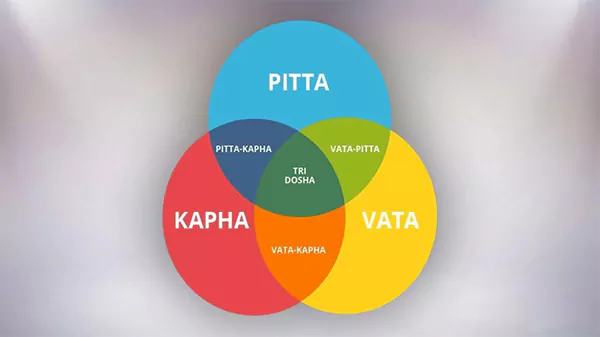
In Ayurveda, the concept of Tridosha is the foundational principle that is important to understand health, emotional well-being, diseases, and functioning related to the human body.
The word “Tridosha” originates from Sanskrit. The meaning is
- “Tri” means “three.”
- “Dosha” means “bio-energies or governing principle.”
The three fundamental energies that regulate physical, mental, and emotional well-being are:
- Vata – the energy of movement
- Pitta – the energy of transformation
- Kapha – the energy of bodily structure and stability
According to Ayurvedic science, every individual has a unique combination of these doshas. This natural constitution, called Prakriti, determines the digestive, behavioral, and disease-related patterns.
Ayurvedic Elements and Its Relation with Three Doshas
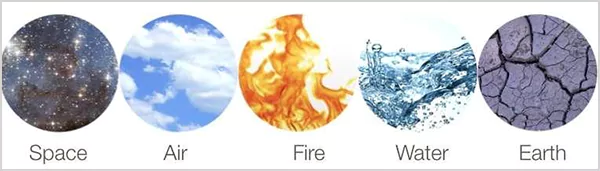
Ayurveda is the theory of five elements, which are known as Panchamabhutas, that allows the understanding of the human body, mind, and universe.
The five basic elements, or Panchamabhutas, are:
- Earth (Prithvi)
- Water (Jala)
- Fire (Agni or Tejas)
- Air (Vayu)
- Space (Akasha)
Characteristics of each element:
| Element | Key Qualities | Main functions | Imbalance Signs |
| Earth | Heavy, stable, and strong | Provides structure and strength | Laziness and heaviness |
| Water | Cool, moist, fluid | Hydration and lubrication | Swelling, congestion |
| Fire | Hot, sharp, transformative | Digestion and metabolism | Acidity, anger |
| Air | Light, dry, mobile | Movement and circulation | Anxiety, restlessness |
| Space | Light, subtle, expansive | Creates spaces in the body | Isolation, insomnia |
The relation between the five elements and the three doshas
- Vata Dosha = Movement (Space + Air)
- Pitta Dosha = Transformation (Fire + Water)
- Kapha Dosha = Structure (Water + Earth)
Vatta, Pitta, and Kapha: A Simple Explanation
In Ayurveda, health is a dynamic balance between the three doshas, Vata, Pitta, and Kapha. These doshas govern all functional principles that govern the basic biological and physiological processes.
Vata Dosha (Air + Space)
Energy of movement
Vata is responsible for the motion in the body and mind. It is associated with the elements air and space, which makes it light, dry, mobile, and cold.
Key functions of Vata Dosha
- Controls breathing and respiration
- Affects blood circulation and nerve impulses
- Manages muscle and joint movement
- Regulates speech, blinking, and heartbeat
- Influences thought flow, creativity, and mental agility
Pitta Dosha (Fire + Water)
Energy of transformation
Pitta is a force of digestion, metabolism, and transformation. It is made by the combination of fire and water, making it hot, sharp, intense, and slightly oily.
Key functions:
- Controls digestion and nutrient absorption
- Relates to body temperature and metabolism
- Supports hormonal imbalance
- Drive intelligence, focus, and decision-making
- Responsible for vision and perception
Kapha Dosha (Earth + Water)
Energy of structure and stability
Kapha provides the physical transformation and building of an individual. It is made of earth and water and thus heavy, slow, cool, stable, and nourishing.
Key functions:
- Builds and maintains body structure, including muscles, bones, and tissues
- Supports immune system strength
- Provides lubrication for joints and organs
- Maintains hydration and moisture balance
- Controls calmness, patience, and emotional stability
Body Constitution or Prakriti of Each Dosha: Vata, Pitta, and Kapha
To understand the body constitution, or Prakriti, according to each dosha, i.e., Vata, Pitta, and Kapha, it is crucial to first analyze the physical, mental, emotional, and behavioral characteristics.
Vata Dosha
Physical Characteristics
People who have a Vata-dominant personality often have a light, thin, and delicate body structure.
- Have a thin or lean body frame
- Difficulty in gaining weight
- Process dry skin and hair
- Experience cold hands and feet often
- Have irregular appetite and digestion
- Sleep lightly and may have insomnia
Mental and Emotional Traits
Vata individuals usually have the following mental and emotional traits:
- Creative and imaginative
- Energetic and enthusiastic
- Fast learners, but tend to forget easily
- Adaptable and spontaneous
- May experience anxiety, worry, and restlessness
Behavioral Pattern:
The behavioral tendencies fluctuate quite a bit. This is how they often behave:
- Prefer variety and movement
- Speak and think in a rapid fashion
- May become easily distracted
- Tend to exhaust themselves due to overwork
Pitta Dosha
Pitta is a combination of fire and water elements. It controls functions like metabolism, digestion, body temperature, and transformation in the body and mind.
Physical characteristics:
People with a dominant Pitta dosha are often:
- Have a medium and athletic build
- Gain and lose weight moderately
- Usually possesses a warm body temperature
- Experience a strong appetite and digestion
- More likely oily or sensitive skin
- Sweat easily
Mental and Emotional Traits
People with Pitta are commonly
- Intelligent and focused
- Ambitious and determined
- Strong leaders and organizers
- Confident and competitive
- Get irritated and angry easily
Behavioral Pattern
- Like structure and planning
- Enjoy challenges and achievements
- Speak clearly and very directly
- Focused on efficiency and productivity
Kapha Dosha
Physical characteristics:
People with dominant Kapha are:
- Have a larger and sturdy body frame
- Gain weight quickly
- Carry thick skin and hair
- Have quite steady energy levels
- Exhibit strong physical endurance
- Can sleep deeply for long durations
Mental and Emotional Traits:
Kapha individuals are generally
- Calm and patient
- Loyal and compassionate
- Emotionally stable
- Good listener
- Overly attached and resistant to change
Behavioral pattern:
- Prefer routine and comfort
- Move and speak slowly
- Work steadily and consistently
- Hold onto relationships and possessions
How to Identify Your Dosha?
In Ayurveda, “Prakriti” refers to your natural body constitution and the balance between the three doshas, Vata, Pitta, and Kapha.
To identify a person’s dominant dosha, it is required to observe the long-term traits and habits instead of focusing on a single or temporary symptom. Prakriti is a stable phenomenon throughout life and thus can determine the state of balance.
And, to determine the Prakriti, here are the points to give attention to:
- Body structure and weight pattern
- Skin and hair texture
- Appetite and digestion
- Sleep quality
- Energy levels and stamina
- Emotional reactions and daily habits
- Climate preferences and regular behavior
Check this table to find out your dosha type:
| Vata Traits | Pitta Traits | Kapha Traits |
| Thin or light body | Medium body build | Strong and heavy body frame |
| Dry skin and hair | Oily or sensitive skin | Thick skin and hair |
| Active and creative mind | Competitive and determined | Loyal and nurturing |
| Cool and fluctuating temperature | Warm body temperature | Cool, heavy, and moist |
| Quick speech and movement | Articulate, persuasive, and sharp | Slow, melodic, and calm |
| Light and irregular sleep | Short, intense, and deep | Deep, heavy, prolonged |
| Variable appetite and energy levels | Strong digestion and appetite | Slow digestion and metabolism |
Signs of Imbalance in Each Dosha
When a dosha, Vatta, Pitta, or Kapha, increases beyond its natural limits due to factors such as improper diet, stress, lack of sleep, seasonal changes, and unhealthy habits.
These imbalances can affect both the physical and mental state of an individual, and thus recognizing the early signs is crucial to preserving the balance.
Vata Imbalance
When Vata is imbalanced or excessive, it creates dryness, instability, irregularity, and anxiety. As it governs the nervous system, circulation, and breathing, it creates certain symptoms in the body.
Physical signs of Vata imbalance are
- Dry skin, lips, scalp, and hair
- Cracked heels
- Dry eyes
- Constipation
- Dehydration even after drinking enough water
- Bloating and gas
- Stomach gurgling
- Tremors and twitching
- Restlessness
- Sensitivity to sound and touch
- Sudden bursts of energy and then exhaustion
- Muscle tightness
- Sciatica-type discomfort
Anxiety and Emotional Signs:
- Overthinking
- Feeling overwhelmed easily
- Panic tendencies
- Fearfulness without reason
- Easily distracted
- Mood swings
- Feeling emotionally fatigued
- Insecurity
Behavioral Signs:
- Excessive talking
- Constant body movement or fidgeting
- Skipping meals
- Irregular sleep schedule
- Addiction to stimulation
Pitta Imbalance
Piita imlababe usually aggravates the excess heart rate, inflammation, intensity, and irritability in the body.
Physical signs:
- Feeling hot easily
- Excess sweating
- Hot flashes
- Burning sensations
- Heat imbalance
- Irritable with hunger
- Ulcers
- Skin rashes
- Acne, redness, and inflammation
- Loose stools and diarrhea
- Hyperacidity
- Nausea
- Headaches/pain behind eyes
- Sensitivity to alcohol
- Premature graying
- Hair thinning
- Loose stools/diarrhea
- Hair thinning
- Oily skin
- Sensitive skin
Mental and emotional signs
- Short temper
- Frustration
- Criticism towards self or others
- Impatience
- Obsessive planning
- Competitive mindset
- Need for control
- Workaholic
- Judgemental attitude
- Difficulty relaxing
- Constant goal orientation
Behavioral signs:
- Overworking
- Arguing or debating frequently
- Becoming aggressive under stress
- Eating frequently due to strong hunger
- Difficulty tolerating mistakes
Kapha Imbalance
Kapha produces heaviness, stagnation, congestion, and lethargy. It governs structure, lubrication, immunity, and emotional steadiness; the imbalance can create symptoms like
Physical signs:
- Fatigue with excessive sleeping
- Feeling physically heavy
- Slow metabolism
- Weight gain/water retention
- Sinus congestion
- Excess mucus
- Frequent colds
- Allergies
- Chest heaviness
- Low appetite
- Puffy face
- cold/clammy feeling
- Swelling
- Edema
Mental and emotional signs:
- Attachment to the past
- Difficulty letting go
- Emotional being
- Possessiveness
- Apathy
- Lack of inspiration
- Mental dullness
- Comfort zone dependence
- Laziness
- Avoiding new experiences
Behavioral signs:
- Oversleeping
- Sedentary lifestyle
- Hoarding tendencies
- Eating for comfort
- Excessive attachment in a relationship
Mixed Dosha Imbalances
Some people have a combination of two doshas. Here’s how they may appear:
- Vata-pitta imbalance = anxiety + irritability + insomnia
- Pitta-kapha imbalance = inflammation + lethargy + anger
- Vatta-Kapha imbalance = fatigue + anxiety + congestion
How to Balance Your Dosha?
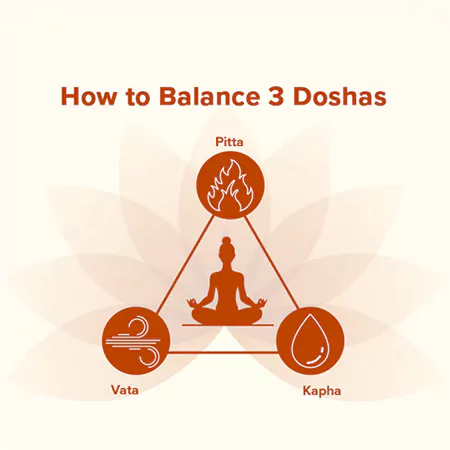
Including a few simple habits in your daily routine can help manage tridosha; some of those are
- Eating mindfully
- Sleeping properly
- Managing stress regularly
- Living in rhythm with nature
- Stay self-aware
Apart from these regular habits, here are some ways to manage the dosha separately once you have successfully identified yours.
Balance Vata Dosha
- Eat Warm and Nourishing Food
Choose freshly cooked and warm foods like soups, khichdi, oats, rice, and root vegetables. Healthy fats such as ghee and sesame oil help reduce dryness and support stability.
- Follow a Regular Routine
Eat, sleep, wake up at consistent times every day, and follow a proper routine. Vata usually aggravates when the schedules are irregular, and there is overstimulation in the body.
- Stay Warm
Cold weather, cold drinks, and excessive air exposure can disturb vata balance. Thus, try warm clothing, herbal teas, and cooked foods.
- Calm the Nervous System
Practice meditation, deep breathing, gentle yoga poses, and quiet walks. Reduce the excessive screen time, multitasking, and mental overload.
- Get Proper Rest
Try to get proper sleep and relaxation. A calming bedtime routine with a warm oil massage or herbal teas can help settle the mind.
Balance Pitta Dosha
- Eat Cooling Foods
Try to eat cooling and hydrating foods such as cucumbers, coconut water, leafy green vegetables, sweet fruits, rice, and mint.
- Reduce Excess Heat
Avoid too-spicy food, alcohol, and excessive sun exposure, and try to stay in cooling environments to balance pitta dosha.
- Practice Moderation
Pitta personalities push themselves too hard, and balance comes from slowing down, taking breaks, and avoiding excessive workload.
- Manage Anger and Irritability
Meditation, nature walks, journaling, and calming activities reduce emotional heat and frustration.
- Exercise Without Overheating
Moderate exercises like swimming, walking, cycling, and yoga are best for balance instead of going for intense workouts.
Kapha Dosha Balance
- Eat Light and Energizing Foods
Prefer warm, light meals, vegetables, lentils, spices, and bitter greens. Reduce heavy, oily, sugary, and overly processed foods.
- Stay Physically Active
Regular movement is essential for Kapha balance. Activities like brisk walking, cardio, dancing, and dynamic yoga help reduce sluggishness.
- Avoid Oversleeping
Wake up early and avoid excessive sleeping during day time. Too much sleep or naps can increase heaviness and lethargy.
- Keep the Mind Stimulated
Indulge in new activities, meet people, travel, learn new skills, and avoid getting stuck in repetitive routines.
- Reduce Emotional Attachment and Clutter
Decluttering spaces and letting go of unnecessary possessions, or emotional baggage, can help boost lightness and movement in the body.
Best Suitable Herbs to Balance Each Dosha
Herbs are highly effective in balancing imbalances in different doshas. Adding the right one to the routine can reduce any symptoms of imbalance.
| Dosha | Suitable Herbs | How They Help |
| Vata | Ashwagandha, Ginger, Licorice |
|
| Pitta | Amla, Neem, Coriander |
|
| Kapha | Turmeric, Tulsi, Black Pepper |
|
Importance of Tridosha Balance
It is essential to keep doshas in harmony to maintain healthy functions efficiently and overall health. Therefore, whenever a dosha becomes excessive or depleted, imbalance may gradually overpower the system.
Maintaining the balance will ensure the following:
- Strong digestion and metabolism
- Mental clarity and emotional stability
- Better immunity and energy level
- Overall harmony in body and mind
- Improves sleep pattern
- Proper circulation and body functioning
- Healthy skin, hair, and complexion
- Reduced inflammation and toxins in the body
- Increased vitality and overall wellness
- Better adaptability to seasonal changes
- Greater harmony between body, mind, and spirit
Conclusion
The concept of Tridosha is a personalized approach to health and wellness. Understanding and maintaining balance through diet, lifestyle, and natural remedies can achieve the best health and long-term well-being.
Instead of making drastic changes, it is advisable to follow small daily habits. The balance of the three doshas is the key to a healthy and balanced life.
Frequently Asked Questions
Q1: Can a person have more than one dominant dosha?
Ans: Yes, many people have a dual-dosha constitution, such as vata-pitta and pitta-kapha
Q2: Is it possible to change your dosha type?
Ans: Your prakriti (natural constitution) does not change, but imbalances (vikriti) can be corrected.
Q3: How long does it take to balance doshas?
Ans: It depends on the severity of the imbalance, but consistent lifestyle changes can show results in a few weeks.
Q4: Can diet alone balance doshas?
Ans: Diet plays a major role, but so do lifestyle, sleep, and stress management. So, balance your diet and follow a dosha-friendly lifestyle to achieve a healthy life.
Sources: