


The way we view aging will completely flip between 2020 and 2030, from being something that just happens to us in time and space to being a conscious journey through life.
Community living will continue to provide the necessary physical framework for our brains, while utilizing some of the ancient wisdom (Ayurveda) to allow us to experience how to keep our minds healthy for our entire lifetimes.
The combination of these things (social stimulation/fullness of heart + adaptogens) will offer us all a significant shield against the mental boredom typically associated with growing older.
KEY TAKEAWAYS
- Frequent contact with people activates parts of your brain responsible for memory & language. This will help prevent cognitive deterioration that results from being alone for too long.
- Senior living can help you manage your day-to-day life so that you can focus on engaging in higher-level thinking, using your creativity, and regulating your emotional state.
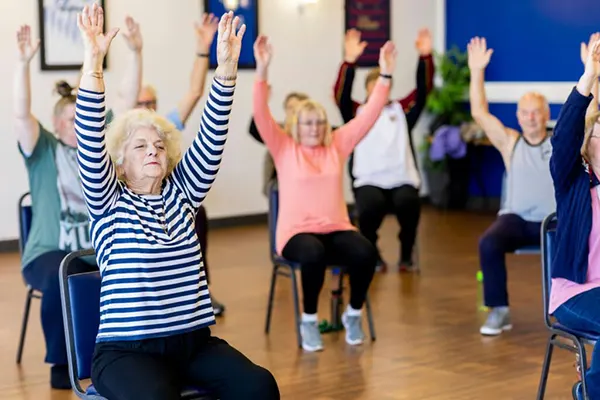
- Group exercise performed in a social environment has been shown to increase blood flow and neuroplasticity more than exercising in isolation.
- Natural supplements such as ashwagandha can help you manage cortisol levels, which may interfere with your ability to think clearly.
Social Connection as a Foundation for Brain Health
One of the most significant cognitive benefits of senior living communities is regular social interaction.
- The human connection activates several parts of the brain, including areas connected to see how one feels (or emotionally), talk or communicate (language), and remember something (memory).
- By having conversations with others, having shared experiences with others, and participating in group activities or interactions, residents are encouraged to listen, and respond and interact with other individuals in ways that exercise their cognitive ability (cognition).
- Seniors who live alone, or do not have many opportunities for interaction, have been shown to experience cognitive decline, because the lack of stimulation results in a decline of their ability to remember things and a decline in their executive function (executive function), over time.
- The risk of cognitive decline for seniors living in the community is decreased and reduced because of the many opportunities to become involved with others through the performance of social activities.
- The connections made by the residents do not need to be very close or intense (emotional) in order for them to be of value.
Casual conversations during meals, shared laughter in activity groups, or simple greetings throughout the day all contribute to mental alertness and emotional balance.
Structured Engagement and Mental Stimulation
Another important aspect of community-based senior living is access to structured engagement.
Various programs in bilateral learning build and encourage community members to engage in educationally and cognitively sufficient resources, which are completed with group-based social interaction, are typically as follows:
- Discussion Groups (Examples: Adult Book clubs)
- Games (Example: Board Games)
- Creative Workshops (Example: Arts & Crafts)
- Education Presentations (Examples: Local Historical Society events)
Cognitive Challenges are mild within all activity typologies and are capable of providing a group of individuals with an adequate amount of information in order to avoid feeling “overwhelmed” by information presented to them.
Physical Education Increases Cognitive Function of The Human Brain
Movement-based activity on a semi-regular basis improves cognitive function by virtually keeping “neural pathways” open. Through a sense of accomplishment and/or confidence, this builds a positive “feedback loop,” thereby increasing the likelihood of continued engagement and benefits gained through cognitive function.
A Supportive Environment That Reduces Cognitive Load
Cognitive health is closely tied to stress management. When daily life becomes overly complex or stressful, mental resources are diverted away from higher-order thinking.
- Senior living communities reduce the cognitive load on seniors by making daily tasks less complex and predictable.
- Seniors have fewer responsibilities for home maintenance, transportation, and scheduling, allowing them to conserve mental energy for enjoyable activities and relationships.
- By decreasing the level of background stress in their daily lives, seniors are better able to focus, make decisions, and regulate their emotions.
In communities such as Discovery Village Naples, residents often experience an environment designed to feel manageable and navigable, which can be particularly beneficial for cognitive clarity. Familiar layouts, consistent routines, and accessible support contribute to a sense of security that allows the brain to operate more efficiently.
Physical Activity and Its Cognitive Impact
Physical activity and brain health through community living, physical movement are prominent and regularly available. It may encourage more frequent participation, ranging from standard classes to activities that fit an individual resident’s learning styles or habits. Some specifically provide residents a social avenue through exercise, while others offer opportunities to learn from/with other residents.
Engaging in physical activity promotes more blood flow to the brain, supports neuroplasticity, and has been associated with improved memory and processing times. The effects of physical activity are also enhanced through social interaction.
Group activity creates the greatest amount of cognitive activity by providing residents with coordination/rhythm in movement. Thus engaging additional systems of cognitive activity through the use of social interaction and physical activity.
You can Buy Ashwagandha for Energy & Stress Relief directly from NatureCares to support your journey toward cognitive vitality. By integrating physical activity into daily routines, senior living communities make it easier for residents to maintain habits that support both physical and cognitive vitality.
Purpose, Routine, and Emotional Well-being
Cognitive health is deeply connected to emotional well-being and sense of purpose. Having a reason to wake up each day and a role within a community supports motivation and mental resilience. Community based senior living offers opportunities for residents to contribute through volunteering, mentoring, or informal leadership within social groups.
Routine also plays an important role. Predictable daily structure reduces anxiety and helps support memory by establishing consistent patterns. When residents know what to expect, cognitive resources can be directed toward enjoyment, learning, and connection rather than constant adjustment.
Feeling valued and included strengthens emotional health, which in turn supports cognitive function. Purpose-driven living has been associated with slower cognitive decline and improved overall mental wellness.
Conclusion
Cognitive benefits of community-oriented senior living extend far beyond convenience. These environments have all of the elements required to create brain-healthy environments through social connection, structure to engagement, and less stress.
But to create a more comprehensive approach, an inward look is required. Ayurveda (the science of life) emphasizes a whole approach: balanced food, regular daily routine (Dinacharya), and potent Rasayana herbs like Ashwagandha can help slow cognitive changes.
Therefore, if seniors prioritize both vibrant communities and positive internal support, they will live longer, more enriching lives with rich cognitive vitality in their later years.
FAQs
1. How does community living prevent memory loss?
Community living prevents memory loss by providing constant social stimulation and “cognitive challenges” through shared activities, which keep neural pathways active and prevent the atrophy associated with isolation.
2. Can Ayurveda really help with age-related cognitive decline?
Yes. Ayurveda uses herbs like Ashwagandha and Brahmi to nourish the nervous system and reduce oxidative stress in the brain. When combined with a supportive environment, these herbs help maintain “Medhya Shakti”.
3. What is “Cognitive Load” and why should seniors reduce it?
Cognitive load refers to the mental effort used in working memory. Reducing it allows the brain to dedicate more resources to memory retention and emotional regulation.