
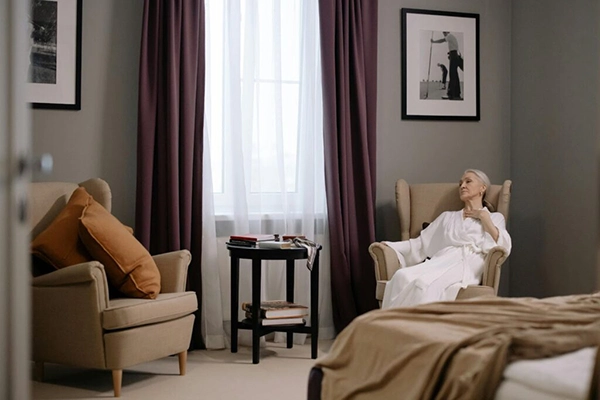
As people live longer and remain mentally active well into later life, preserving cognitive health has become a central concern in aging discussions. While genetics and lifestyle choices play important roles, the physical environment in which older adults live is increasingly recognized as a meaningful influence on brain health. Senior housing is no longer viewed only as shelter or convenience. Thoughtful design can encourage mental engagement, reduce stress, and support daily independence, all of which are closely tied to cognitive longevity.
The spaces people inhabit shape how they think, move, and interact. For older adults, especially, housing design can either support mental stimulation or unintentionally contribute to confusion and withdrawal. Understanding how design choices affect cognition helps illuminate why environment matters as much as activity and routine during later stages of life.
Environmental Stimulation and Mental Engagement
Cognitive longevity thrives on stimulation. When environments offer visual interest, variation, and opportunities for exploration, they help keep the brain engaged. Monotonous or overly sterile spaces can reduce curiosity and discourage interaction, while thoughtfully designed environments invite attention and participation.
Natural light, varied textures, and clear visual cues all play a role in sustaining mental alertness. Spaces that change slightly throughout the day due to sunlight or activity offer ongoing sensory input that supports cognitive processing. Walking paths, art displays, and inviting common areas encourage residents to move through their environment and notice new details, which activates memory and attention functions.
Housing designs that support discovery without overwhelming occupants strike an important balance. Predictable layouts combined with gentle variety challenge the brain in healthy ways and reduce the risk of disengagement over time.
Wayfinding and Cognitive Confidence
One of the most critical design considerations in senior housing relates to orientation. Clear wayfinding supports independence and confidence, both of which are closely linked to cognitive health. When individuals can reliably navigate their surroundings, they experience less anxiety and maintain stronger executive functioning.
Design elements such as distinct landmarks, intuitive floor plans, and consistent visual cues help residents form mental maps of their environment. This reinforces spatial memory and reduces cognitive load. Confusing layouts, long identical corridors, or poor signage can have the opposite effect, increasing frustration and mental fatigue.
Cognitive confidence grows when daily movement feels manageable. Communities like Hidden Meadows on the Ridge are good examples of communities reflecting broader trends toward clarity and simplicity in design, rather than complexity that can unintentionally challenge orientation.
Social Design and Cognitive Vitality
Cognitive health is deeply influenced by social interaction. Housing design that encourages connection plays a direct role in sustaining mental sharpness. Shared spaces that feel welcoming and easy to access promote conversation, collaboration, and emotional engagement.
Design features such as centrally located gathering areas, small group seating arrangements, and multipurpose rooms help remove barriers to interaction. When social opportunities are embedded naturally into an environment, participation becomes part of daily life rather than an added effort.
Isolation has been strongly linked to cognitive decline, while regular social interaction supports memory and language skills. Housing layouts that allow residents to see and encounter others throughout the day create gentle prompts for engagement. These moments of connection stimulate the brain and foster a sense of belonging that supports emotional and cognitive resilience.
Reducing Cognitive Strain Through Thoughtful Design
As people age, sensitivity to stress can increase, and chronic stress has well documented effects on brain health. Senior housing design can help reduce cognitive strain by creating environments that feel calm, predictable, and physically safe.
Noise control, appropriate lighting levels, and uncluttered spaces reduce sensory overload. When environments are easier to process, the brain expends less energy on basic navigation and adjustment. This conserves cognitive resources for higher level thinking, creativity, and social exchange.
Design that anticipates physical changes also supports mental wellbeing. Features such as supportive flooring, accessible storage, and comfortable seating reduce the mental effort required to perform daily tasks. When physical challenges are minimized, residents can focus more on meaningful engagement rather than problem solving around mobility or safety concerns.
Supporting Routine While Encouraging Choice
Cognitive longevity benefits from a balance between routine and novelty. Senior housing design can support this balance by offering consistent daily flows alongside optional spaces for varied activities. Predictable routines strengthen memory, while choice and exploration stimulate curiosity and adaptability.
Spaces that support both quiet reflection and active participation allow individuals to shape their days according to personal rhythms. This autonomy reinforces decision making skills and personal agency, which are essential for maintaining cognitive strength. Design that respects individual preferences acknowledges that mental engagement looks different for each person.
When residents feel control over their environment, they are more likely to remain mentally involved. Housing that supports choice without overwhelming creates fertile ground for sustained cognitive engagement.
Conclusion
Cognitive longevity is influenced by far more than medical care or individual habits. The environments in which older adults live play a powerful role in shaping mental health over time. Senior housing design that encourages stimulation, supports orientation, fosters connection, and reduces stress can meaningfully contribute to preserving cognitive function.
As understanding of aging deepens, design is emerging as an essential tool in supporting brain health. Thoughtful spaces do not simply accommodate aging. They actively participate in sustaining curiosity, confidence, and mental vitality throughout later life.