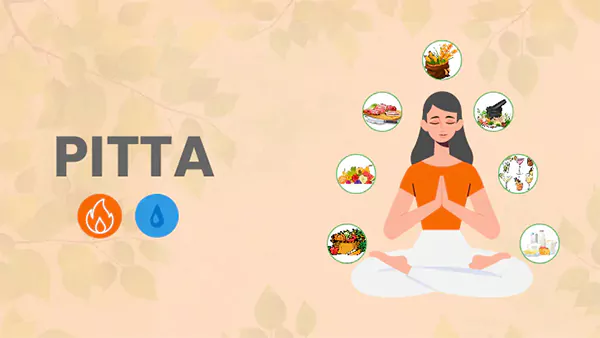
Pitta dosha is one of the 3 fundamental energies, along with Vatta and Kapha. Each of these comes with its specific governing abilities and troubles if there is an imbalance in energy. One of the common issues caused by an imbalance of energies is digestive, skin, or sleep issues disruption.
To name it, these issues are mostly caused by the imbalance of Pitta dosha. Learning about this dosha helped me maintain my physical and mental well-being better than before.
Dive into this article to learn about the pitta imbalance in your body and ways to manage it effectively.
- What is the Pitta Dosha?
- Different Types of Pitta Dosha and Their Effects
- Characteristics of the Pitta Body Type
- How to Identify the Pitta Dosha Symptoms in the Body?
- How to Reduce Pitta Imbalance Immediately? Dietary and Lifestyle Changes
- Food Items to Soothe the Pitta Body
- Research and Findings on Pitta Dosha
- Concluding Remarks
- FAQs
What is the Pitta Dosha?
In Ayurveda, the pitta dosha is the energy element in our body composed of fire and water that controls digestion and the transformation, both mental and physical. It is known to influence a sharp mind, strong digestion, and mental transformation.
People with balanced pitta as the dominating dosha have warm bodies, sharp minds, emotional clarity, clear skin, and strong metabolism.
Imbalance of this dosha leads to digestive issues, rashes, acne, sleep difficulties, and more. It is essential to maintain a balance of pitta for a healthy physical and mental well-being.
Different Types of Pitta Dosha and Their Effects
There are 5 sub-types of pitta dosha: Sadhaka, Alochaka, Bhrajaka, Ranjaka, and Panchaka. All of them target different parts of the body and have different functions.
| Type | Body Part | Function |
| Sadhaka Pitta | Brain | It governs the mind, affecting emotions and stress. |
| Alochaka Pitta | Retina(Eyes) | It manages vision, visual perception, like colours and shapes. |
| BhrajakaPitta | Skin | Impacting the site of touch, it controls the complexion and health of the skin. |
| Ranjaka Pitta | Liver | This is responsible for haemoglobin formation. |
| Pachaka Pitta | Stomach/ Small Intestine | Manages the digestive process, which is important for the overall well-being of the body. |
They come together to perform the main role of the pitta dosha. They are not categorised as “different” types of pitta, but rather 5 sub-types that manage the different functions of the same.
Characteristics of the Pitta Body Type
People with the dominant pitta dosha can be identified through the following physical and behavioural traits:
| Physical Traits | Behavioural Traits |
| Medium height and a fully developed muscle system. | Intelligent and highly focused |
| Warm body temperature | Ambitious and Competitive |
| Clear Skin | Couarageous |
| Strong metabolism and digestion. | Articulate speakers |
| Soft and straight hair with premature greying | Disciplined and leadership qualities |
How to Identify the Pitta Dosha Symptoms in the Body?
Identifying the imbalance of pitta dosha symptoms is the first step to managing it, which can often go unnoticed. Irritability, insomnia, digestive issues, and acne are the predominant symptoms of the pitta imbalance in the body.
Here are all the pitta dosha symptoms you need to look out for:
| Physical Symptoms | Mental and Emotional Symptoms |
| Digestive Issues like loose stools or acid reflux. | Insomnia or trouble sleeping |
| Skin breakouts, acne, or rashes | Emotional outburst |
| Migraines or sensitivity to light. | Perfectionism and workaholism |
| Excessive sweating and heavy body odour. | Irritability and excessive stress. |
The qualities of the balanced pitta dosha get reversed in its imbalance. It is crucial to look out for these signs and incorporate lifestyle changes to maintain the balance.
| Did you know? Ayurveda identifies the time between 10 -2 am/pm as the pitta-dominant period. The body temperature is naturally higher, so avoid doing activities that will generate heat. |
How to Reduce Pitta Imbalance Immediately? Dietary and Lifestyle Changes
Pitta in the body is associated with fire and heat. So, the way to pacify it is through incorporating hydrating foods and cooling physical activities in your lifestyle:
1. Dietary Recommendation
Food items like cucumbers, lettuce, and leafy greens, which have a natural cooling and hydrating tendency, are recommended to reduce the impact of the pitta imbalance:
- Fruits: Consume fruits that have a sweet and astringent flavor, like apples, berries, and watermelon.
- Vegetables: Avocado, leafy greens, cauliflower, pumpkin, lettuce, and cucumber.
Vegetables like tomatoes, eggplant, and raw onions should be avoided.
- Diary: Consume cow milk, goat’s cheese, and ice cream. Sour cream, salted cream, and butter should be avoided.
- Nuts and Seeds: They are generally not recommended due to the high oil content that can further intensify the imbalance of the dosha in the body. Some exceptions include: Almonds (soaked and peeled), unsalted corn seeds, pumpkin, and watermelon seeds.
- Herbs: A balanced use of ayurvedic supplements will yield the best results for balancing the doshas.
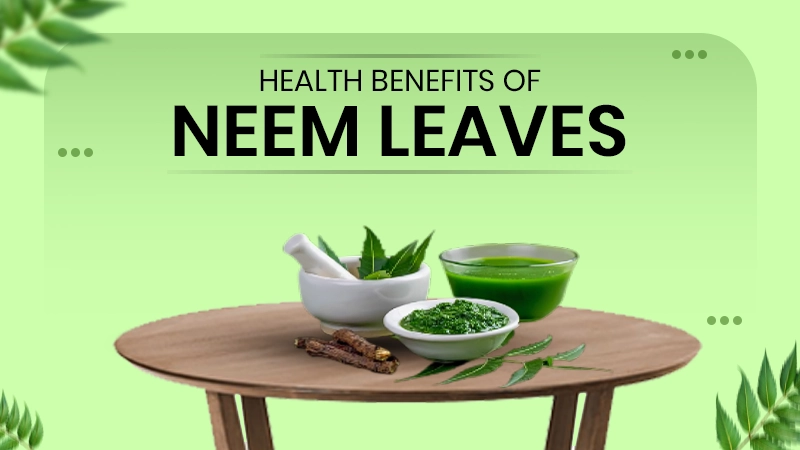
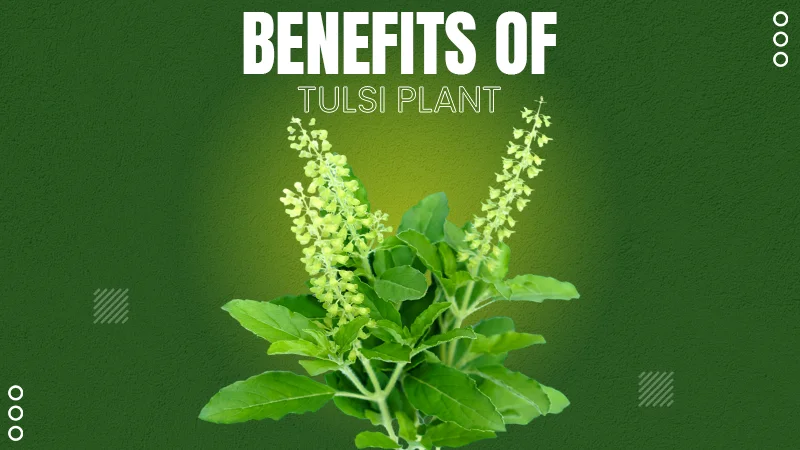
Aloe vera, turmeric, Shatavri powder, Amla, and Brahmi help to reduce heat and inflammation caused by the imbalance of the pitta dosha. Triphala in the form of tablets is best known to manage gut-related issues, which is a predominant pitta dosha symptom.
2. Lifestyle Changes
Common lifestyle changes, like a walk in nature or indulging in a cooling activity like swimming, can be really beneficial for balancing the imbalance of this dosha.
Take a look at all the changes you can make in your lifestyle:
- Yoga and meditation, especially Pranayama, are considered beneficial to manage the imbalance of the dosha.
- Consuming meals on time that are balanced and getting enough sleep every day are crucial for better mental and physical well-being.
- Wake up before sunrise and maintain a journal to manage stress.
- Avoid junk food that is high in spice and oil content.
- Indulge in stress-buster activities and take out the time to go out for a walk in nature. Activities such as swimming are highly recommended.
- Warm massages daily with brahmi or coconut oil benefits the pitta imbalance and soothes the mind.
| Note: Avoid taking long walks under direct sunlight, as it can trigger the pitta imbalance. |
Food Items to Soothe the Pitta Body
Consuming meals that are healthy and delicious is the best way to deal with the pitta imbalance.
Here is a list of things you can make to manage the pitta dosha symptoms without compromising taste:
| Food Items | Image |
| Cucumber Raita | 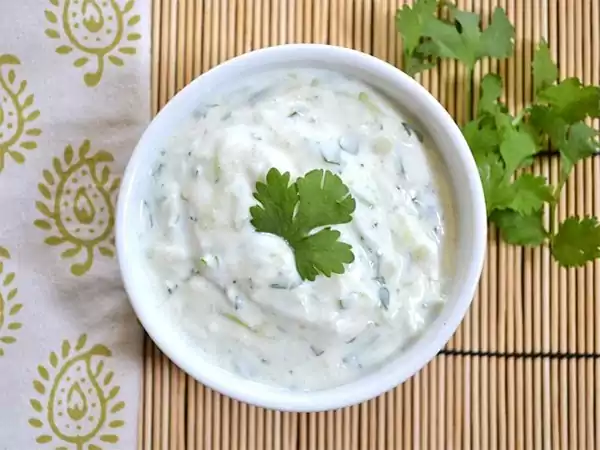 |
| Coconut Rice | 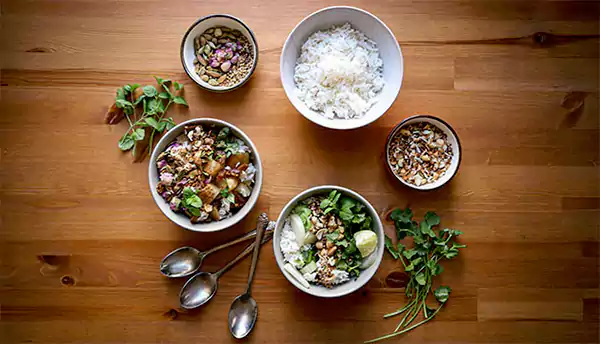 |
| Sweet Corn Curry | 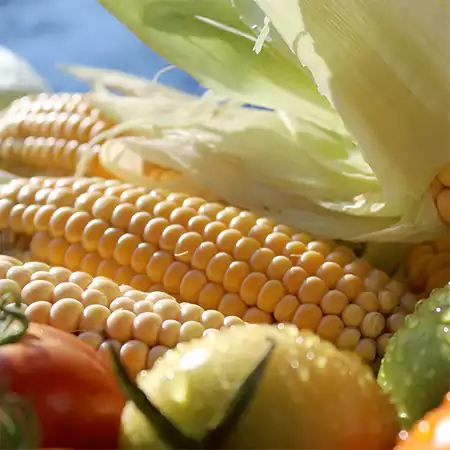 |
| Cucumber Avocado Salad | 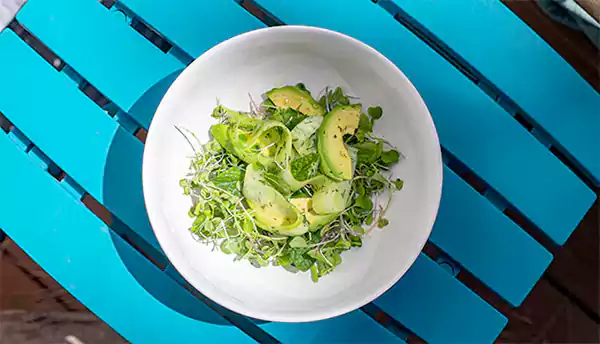 |
| Coconut Ginger Truffles | 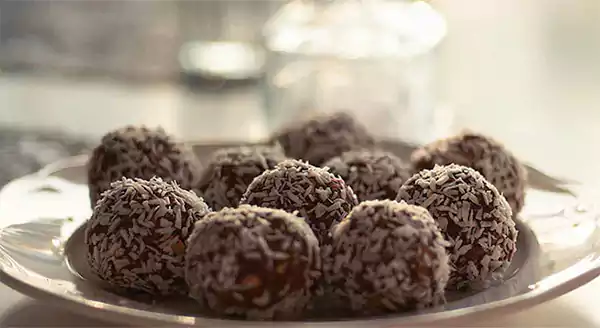 |
| Moong Daal and Rice Kitchari | 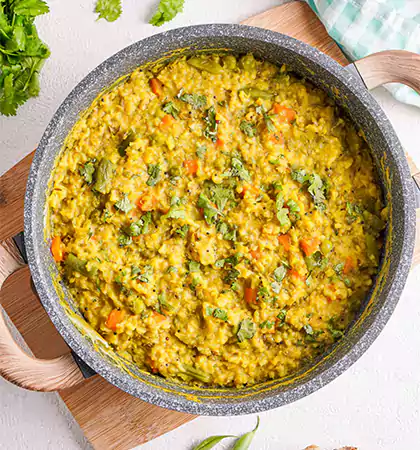 |
Research and Findings on Pitta Dosha
1. Characteristics of Polycystic Ovary Syndrome: A Case Report Investigating the Role of Kapha and Pitta Doshas.
Research conducted by Anatomy, Datta Meghe Institute of Higher Education & Research, Wardha, IND, and their team.
| Research Summary Box 1 Study Year: 2024 Sample: 31-year-old woman with Polycystic ovary syndrome (PCOS) Key Findings: The imbalance of the pitta and kapha dosha has contributed to the symptoms of PCOS. Treatment Approach: Balancing both doshas in the body, along with a medical approach. Source: National Centre of Biotechnological Information |
2. Management of chronic plaque psoriasis with Ayurveda therapeutic regimen
A case report conducted by Dr. Kumari Archana, Regional Ayurvedic Research Institute, Central Council for Research in Ayurvedic Sciences.
| Research Summary Box 2 Study Year: 2024 Sample: 65-year-old male with chronic plaque psoriasis Treatment Focus: Treatment focused on balancing the pitta doshas and including strict dietary modifications. Outcome: Significant improvement seen in the patient’s SPASI( Simplified Psoriasis Area Severity Index) score, dropping from 36 to 2. Source: Journal of Research in Ayurvedic Science |
Concluding Remarks
My journey of understanding Ayurveda has helped me acknowledge that just like the universe, our body also thrives in balance. This fundamental Ayurvedic energy is a combination of fire and water, which are two essential elements of the earth, and an imbalance of this energy can impact the physical and mental transformation of the body.
It is crucial to identify the pitta dosha symptoms and adopt a lifestyle that does not intensify the effects of its imbalance. This is about maintaining the right balance and making mindful choices.
FAQs
Q1: Which milk is best for pitta imbalance?
Ans: Cow milk is recommended for people with pitta imbalance.
Q2: What are the predominant pitta dosha symptoms?
Ans: Predominant pitta dosha symptoms include excessive heat, inflammation, sweating, acne, and digestive issues like loose bowel movements.
Q3: Can lifestyle changes help with pitta imbalance?
Ans: Yes, making lifestyle changes like proper sleep, exercise, meditation, along with a proper, balanced diet, can help pacify the imbalance.
Q4: Does pitta imbalance only affect digestion?
Ans: No, pitta dosha does not only affect digestion. It affects the skin( acne), causes inflammation, heart issues, and affects mental and emotional health.
Q5: What foods provoke pitta imbalance?
Ans: Spicy and processed, and energetically warm food items should be avoided in pita dosha, as they further intensify the heat in the body. Avoid eating junk food, tomatoes, black pepper, ginger, eggplant, and raw onions.