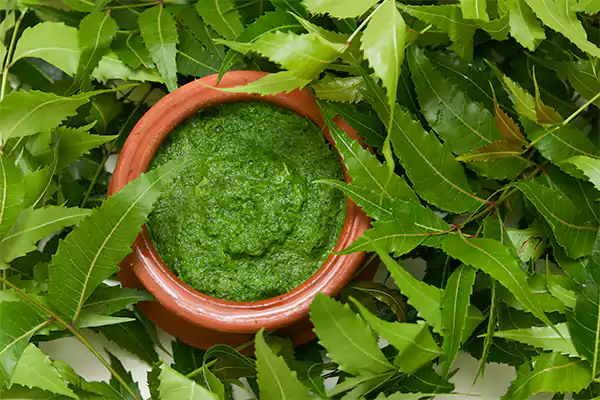
The Neem or Indian Lilac leaves are hailed as “Sarva Roga Nivarini” in Ayurveda, which means universal healer. It has antibacterial, antifungal, and insect-repellent properties, making it a cornerstone of traditional health practices. I have been personally using this herb for years, along with the Ayurvedic supplements, and have witnessed the praiseworthy neem leaves benefits.
If you are looking for a sovereign remedy that improves skin, supports digestion, purifies blood, and boosts immunity, then neem is the ultimate solution!
Neem Leaves Benefits in Ayurveda
Using Indian lilac leaves for medicinal purposes is not a new concept. For centuries, it has been traditionally believed to be miraculously effective in boosting immunity, purifying blood and supporting hair and scalp health. Let’s see the neem leaves benefits in detail:
- Supports Skin Health
There are numerous neem leaves benefits for skin, whether you are using it as an oil or paste on skin or consuming the leaves directly. They balance kapha (excess oil) and pitta dosha (heat and redness), which ultimately improves skin health and complexion.
It is a natural detoxifier and soothes the skin. Through its anti-inflammatory, anti-fungal and anti-bacterial properties, neem helps to treat issues like acne, eczema, rashes, psoriasis and infections.
- Improves Digestion
Indian Lilac’s tikta (bitter) quality increases the agni (digestive fire) and balances the pitta and kapha dosha in the body. It helps prevent issues like bloating, nausea, constipation and indigestion. This herb’s antimicrobial properties cleanse the gut, and its anti-inflammatory qualities relieve the intestinal blockages and reduce swelling.
It is also believed that the consumption of neem juice benefits people who are struggling with intestinal bacteria, worms, and parasites. This also reduces stomach inflammation and balances the acid levels, which alleviates the heartburn.
- Effective for Dental Care
If somebody is having issues like a toothache, bleeding gums, mouth ulcers, or bad breath, neem can do wonders for you. Indian lilac has active components like azadirachtin and nimbin that fight plague and tooth decay.
I use datun (Indian Lilac twigs) to brush my teeth, and it has saved me from many dental issues. The datun cleanses the teeth and massages the gums, which promotes better blood circulation. You can also consider rinsing the mouth with a boiled leaf solution as a mouthwash.
Quick Tip
There are many neem-based toothpastes available in the market that are very effective for dental care. Consider checking the list of ingredients behind and make sure it’s natural and not a chemical formulation.
- Boosts Immunity
Consumption of neem provides strength to the body for fighting infections and harmful bacteria. Its antioxidant, antiviral and antibacterial qualities are a lifesaver for those who have weak immunity or autoimmune diseases. You may consume the leaves directly or use them in tea to witness how Ayurveda restores energy and immunity naturally.
Indian Lilac is a natural detoxifier that reduces inflammation. The regular use of it can significantly boost immunity and safeguard you from many chronic diseases in the long run.
- Purifies Blood
Neem leaves are the ayurvedic herbs that help flush harmful toxins (ama) and impurities out of the body and purify the blood. In this way, it addresses the root cause of skin issues like acne and rashes, supporting clear skin. It also improves liver function, which is a vital organ in our body for waste elimination.
- Supports Hair and Scalp Health
Incorporating neem oil benefits in hair and scalp issues like dandruff, itching, lice and scalp infections. Its antioxidant and antibacterial quality helps control premature greying, strengthen hair growth and moisturise the hair.
This herb is highly effective in fighting fungi Malassezia and Candida that cause dandruff and an itchy scalp. It is a wonderful antiseptic remedy that removes scalp impurities and promotes a healthy environment for hair growth. The neem leaves benefits for hair, especially when a person has a greasy scalp, as it reduces the excess oil (sebum).
DIY Neem and Amla Mask
Take two tablespoons of neem powder and combine it with an equal quantity of amlaki (Indian gooseberry) powder. Add water or aloe vera gel to make a paste. Apply it to the scalp and hair and leave it for 30-60 minutes. After it gets dry, rinse thoroughly.
- Regulates Blood Sugar Levels
Indian lilac has hypoglycemic properties that benefit in improving insulin sensitivity, supporting metabolism and promoting pancreatic health.
Through this, it helps in regulating the blood sugar levels. The controlled intake can contribute to the betterment of diabetes by decreasing the breakdown of starch into glucose.
Did you know?
Neem can survive in a very dry environment. Sometimes becoming completely leafless in the extreme droughts.
Common Names, Nutritional Value and Ayurvedic Properties of Neem
Neem leaves are highly nutritious, having carbohydrates, fibre, iron and protein. Their controlled consumption can significantly contribute to our health. Additionally, they encompass transformative ayurvedic properties that produce remarkable results in many health conditions.
Let’s see the common names of neem first:
| Category | Details |
| Botanical Name | Azadirachta indica |
| Family | Meliaceae (Mahogany family) |
| Genus | Azadirachta |
| Common Names | Nimtree, Nimba, Indian Lilac, Margosa tree |
| Other Indian Names | Hindi- Neem Tamil- Vembu/ Arya Veppu Telugu- Vepa Kannada- Bevu Malayalam- Veppu Sanskrit- Nimba |
Nutritional Value of Neem Leaves (100g)
| Nutrient | Quantity (Approx.) |
| Carbohydrates | 14g |
| Fibre | 7g |
| Calcium | 112 mg |
| Iron | 6 mg |
| Magnesium | 45 mg |
| Phosphorus | 28 mg |
| Potassium | 89 mg |
| Sodium | 26 mg |
| Protein | 7 g |
| Fat | 3 g |
Ayurvedic Properties of Neem
|
How to Use Neem Leaves?
Neem leaves benefits, whether you are chewing them directly, including them in your tea or going for topical application, such as in the form of paste or oil. However, it is important to be careful with the dosage and the right way of application to save yourself from the side effects.
Oral Consumption
- Fresh Leaves
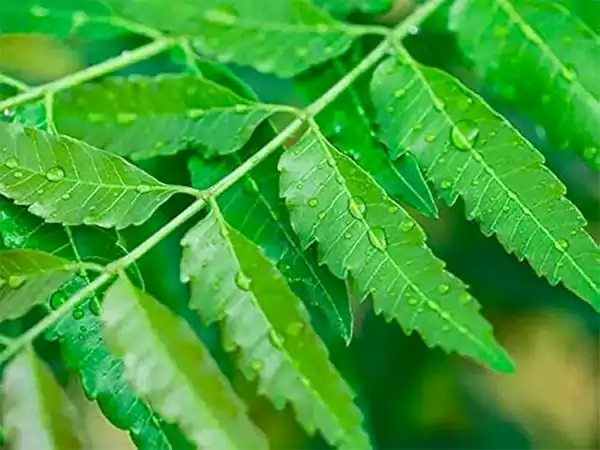
Eat 3-5 fresh, clean leaves empty stomach in the morning to see fast results.
The benefits of eating neem leaves directly involve immunity boost, blood purification and detoxification.
- Neem Tea (Kashaya)
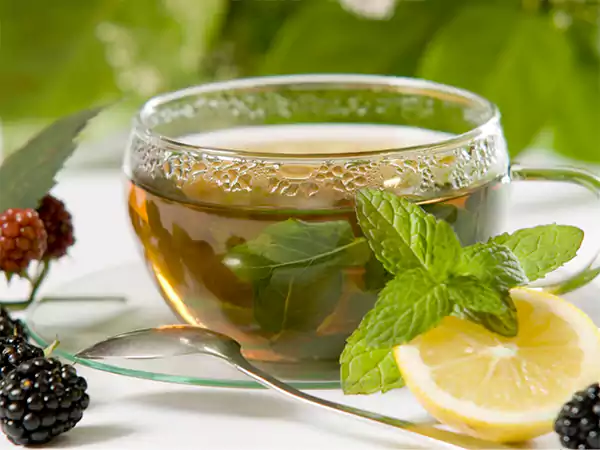
Boil 5-6 fresh leaves or a tablespoon of powder in water for 5-10 minutes. Strain the leaves and consume the tea to see the benefits of drinking boiled neem leaves water. If you are finding it too bitter, consider adding honey or lemon for a balanced taste.
- Neem Juice
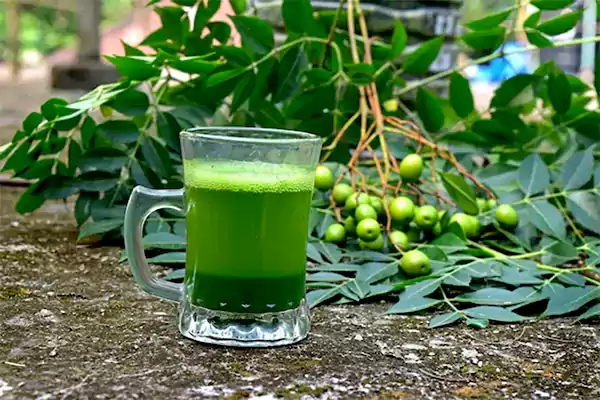
Grind fresh leaves when it attains the consistency of a paste, extract juice from it. Consume 2-4 tablespoons twice a day to see the tremendous benefits of neem leaves juice. You can also combine it with Aloe vera juice that is considered good for digestive health.
Topical Applications
- Neem Water Bath
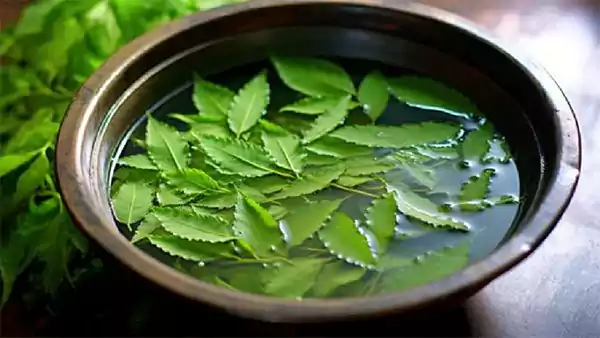
Boil a handful of leaves in water and strain the cool water. Use this water for rinsing your face or bathing. It helps treat infections, acne, rashes, and eczema.
- Neem Paste (Lepa)

This one is my personal favourite! Form a paste-like consistency by crushing the leaves or mixing Indian Lilac powder (churna) with water. Combine it with honey. Apply this paste to your face and rinse after it dries. It will help fight acne and other skin infections.
Note: Always conduct a patch test on a small area of skin, such as the forearms, before applying the paste to the whole face to assess skin tolerance and prevent allergies.
- Neem Mouthwash (Datun)

Though the most used way of incorporating Indian lilac is brushing with twigs (datun). Use the boiled, cooled-down neem water as a mouthwash to prevent issues like bad breath, cavities and gum inflammation.
- Neem Hair Mask

Combine the Indian lilac powder or crushed leaves with coconut oil and apply it to your hair and scalp. It helps fight issues like dandruff and scalp infections, which ultimately result in stronger hair.
Note: It is important to consider the provided information as general knowledge and not a doctor’s advice. The application and dosage can vary from individual to individual according to their overall health.
Potential Uses of Neem for Overall Health
As I have already discussed the ayurveda-backed benefits of Indian lilac leaves, we can also include some forward-looking potential uses:
- Acts as an Insect Repellent
Traditionally, Indian lilac leaves were kept to keep the insects away. It is a powerful insect and pesticide repellent because of the compound named azadirachtin, which stops the growth of insects. You can burn the leaves to ward off insects or apply their oil to your skin that acts as a mosquito repellent.
- Improves Wound Healing
Indian lilac leaf extract may help in wound healing because of its antibacterial and antioxidant properties. Its application reduces the inflammation, promotes new blood vessel formation and boosts collagen. However, it is advised to consult a doctor first before starting the treatment.
- Soothes Inflammation
The anti-inflammatory property of leaves and nimbidin and nimbin components helps in calming down inflammation and swelling. This is the reason why it is considered effective in the treatment of arthritis and skin issues like psoriasis and eczema.
- Helps in Weight Management
The leaves act as an excellent Ayurvedic herbal for weight management. Their consumption boosts metabolism and supports better digestion, which results in improved nutrient absorption in the body, helping in weight loss.
Side Effects and Precautions of Neem Leaves
This may sound a bit bitter, but uses of neem come with some side effects like skin irritation, low blood sugar levels, and gastrointestinal issues. Each body is different and reacts distinctively to the Ayurvedic remedies.
Hence, it is important to take precautions if you are planning to incorporate the herb into your daily routine.
Potential Side Effects of Neem
- Gastrointestinal Issues
Consumption in excess can lead to some gastrointestinal issues like nausea, abdominal pain, vomiting and diarrhoea.
- Liver and Kidney Damage
Unchecked high-dose consumption for a long time can lead to serious health problems like liver and kidney damage.
- Skin Irritation
While applying to the skin, it can cause skin irritation, rashes and severe itching in some people.
- Severe Dryness
If the skin is already dry or produces low sebum, the prolonged use can lead to flaky, itchy and very dry skin in some people.
- Low Blood Sugar
Indian lilac consumption can be dangerous for diabetic people who are already on medication. It excessively reduces blood sugar levels.
Precautions to Consider While Using Neem Leaves
- Pregnancy and Breastfeeding
Pregnant and breastfeeding mothers are advised not to consume Indian lilac leaves. They can increase the chances of miscarriage and adversely impact milk production.
- Children
There are not enough studies to support that neem uses are right in children. Avoid feeding its oil or leaves to infants or children, as it can lead to diarrhoea, nausea and abdominal pain.
- Autoimmune Diseases
Neem can increase the risk of autoimmune disease. It is advised not to take it if you are already suffering from conditions like lupus, multiple sclerosis, and rheumatoid arthritis.
- Surgeries
If you are going to have surgery, avoid using Indian lilac for at least 2 weeks before, as it affects the blood sugar levels.
Scientific Take on Neem Leaves
The natural healing wisdom of Ayurveda is now getting validated through modern science. Many recent studies showcase how embracing Ayurveda in our daily routine can nourish us from within. Neem has also been acknowledged in modern medicine because of its wondrous benefits in wound healing and preventing diseases. Let’s have a detailed look:
| Research Box 1 Study Year: 2023 Aim: To examine the effectiveness of a hydrogel including neem and silk fibroin biomaterials for the treatment of wounds. Method: Topical neem hydrogels, with and without silk fibroin, using neem extract, guar gum and silk fibroin were developed to create a stable wound healing environment. Results: The gels are non-irritating and are effective in wound healing activity. The combination that had silk fibroin showed faster tissue regeneration, becoming the more therapeutic option. Source: National Center for Biotechnology Information |
| Research Box 2 Study Year: 2016 Aim: To summarise the role of Azadirachta indica in the prevention and treatment of diseases, highlighting its antioxidant, anticancer and medicinal properties. Method: The review examines earlier findings, preclinical studies, and animal model data regarding neem’s active constituents, such as azadirachtin, nimbolide and their influence on molecular pathways. Results: Neem acts as a preventive agent against various diseases. It modulates molecular pathways to fight cancer. It contains anti-inflammatory, antioxidant and antimicrobial qualities significantly. Source: National Center for Biotechnology Information |
Conclusion
Neem leaves benefits are certainly considered an all-rounder in Ayurveda because of their anti-inflammatory, antifungal and antibacterial properties. There are many uses of neem leaves, including blood purification, improving skin and health, and wound healing.
However, its unchecked usage can bring some side effects like gastrointestinal issues, skin irritation and low blood sugar. So, it is better to consider precautions and talk to your doctor first before starting the consumption.
FAQs
Q1: Is neem good for skin?
Ans: Absolutely! Neem does wonders for the skin, whether you are consuming it orally or applying it in the form on paste. It is a natural cleanser that helps with acne, eczema, and reduces the signs of ageing.
Q2: How many neem leaves should one take daily?
Ans: Eating 3-5 leaves empty stomach is considered safe generally. However, it is advised to talk to the health practitioner before starting the consumption, as everybody’s requirement is different.
Q3: Can someone drink neem juice during pregnancy?
Ans: No! It is strictly recommended not to consume Indian lilac during pregnancy. It has an anti-fertility effect that can lead to miscarriages.
Q4: Can I apply neem paste to the face daily?
Ans: It is generally not recommended to apply the leaf paste to the face every day. Its high potency can lead to irritation and dry, flaky skin.
Q5: Is eating neem good for health?
Ans: Yes! In Ayurveda, neem is celebrated as a “miracle tree”. Eating the leaves shows many health benefits like blood purification, improved skin and hair, and better digestion. If you are planning to incorporate it in your daily routine, it is advised that you talk to the doctor to know the right dosage according to your health conditions.