
Coca-Cola has come up with one of the best rehydrating drinks called Vitamin Water, stuffed with essential vitamins, minerals, and electrolytes. However, many other brands have also released similar products under different names.
But is vitamin water good for you?
Though it is good if consumed in moderate amounts, it may be harmful if overconsumed or if you have any existing health issues.
Here, we will have a detailed account of it and will explore all the core and peripheral aspects.
- Is Vitamin Water Good for You?
- What is Vitamin Water?
- What are the Ingredients of Vitamin Water?
- When Do You Need Vitamin Water?
- What are the Benefits of Drinking Vitamin Water?
- Why Should You Avoid Vitamin Water?
- Is Vitamin Water ZERO Good for You?
- What are the Healthier Alternatives to Vitamin Water?
- How to Choose the Best Vitamin Water?
- Conclusion
- FAQs
Is Vitamin Water Good for You?
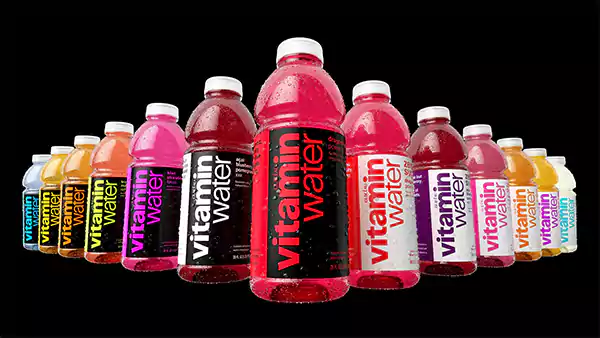
Vitamin water consumption is safe if consumed in moderate amounts. However, people with certain ailments need to consume it after consulting the doctor.
But who should avoid consuming it?
- Diabetic people should avoid it due to high sugar levels.
- People with kidney ailments should also be cautious about drinking it.
- Being fortified with vitamin A and artificial sweeteners, pregnant women need to take after consulting a doctor.
Now, let’s take a dip into what vitamin water is and certain other perspectives surrounding this product to understand, “Is vitamin water good for you?”.
Suggested Read: How Ayurveda Restores Energy and Immunity Naturally (Featuring Fit Care Combo)
What is Vitamin Water?
Vitamin water is a flavored hydration drink produced by Coca-Cola containing essential vitamins and minerals required for the human body. Although other brands also produce similar products, such as Propel water by PepsiCo and Essentia Water by Nestle.
For its nutritive value, it is considered a healthier alternative to soft drinks and soda water. It generally contains sugar content in varying quality to give it a good taste, but certain brands also use natural sweeteners to reduce the negative impact of sugar.
What are the Ingredients of Vitamin Water?
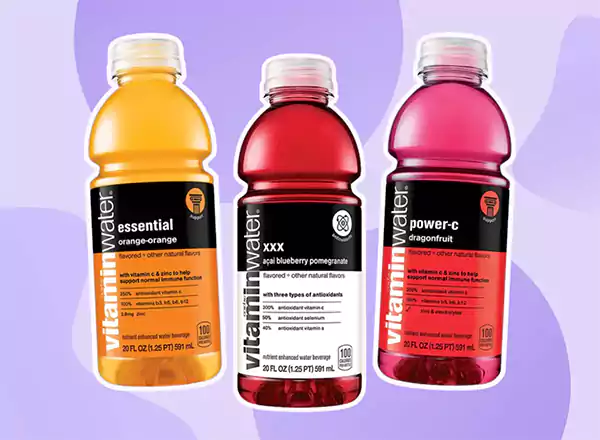
Vitamin water contains essential vitamins like vitamin A, B, C, and E, and vital electrolytes.
It comes in a 20-oz bottle, but some flavors are also available in 16.9-oz bottles. Every bottle has several vitamins and minerals fortified in reverse osmosis water, which makes it further digestible to the body.
Though it contains an array of healthy ingredients, some notable ones are:
- Vitamin C: Vitamin C is well-known for its role in strengthening the immune system. Each serving of the drink provides 100% or more of the recommended daily value of vitamin C.
- Vitamin B: Vitamin B, including important members like B6 and B12, plays a key role in the body’s energy metabolism by helping convert food into usable energy.
- Other Vitamins: It also contains vitamin A and vitamin E, which are beneficial in improving eyesight and boosting body immunity, and providing anti-inflammatory benefits.
- Electrolytes: Electrolytes such as potassium and magnesium are crucial for maintaining muscle function and proper hydration levels in the body.
When Do You Need Vitamin Water?
You can consume vitamin water post-workout, when feeling dehydrated, and when you have a clinical deficiency of vitamins and minerals.
Being a rehydration drink, it replenished the level of water content in the body during and after strenuous physical activity.
Here is a detailed account of these situations.
- Not Drinking Enough Water: If you often forget to stay hydrated, vitamin water can be a convenient option. It quenches thirst while adding vitamins, helping you stay refreshed and active throughout the day.
- Nutrient or Vitamin Deficient: When your diet lacks certain nutrients, vitamin water can help fill small gaps. It offers quick support for energy and immunity, though it shouldn’t replace naturally nutrient-rich foods.
- Post-workout: After intense exercise, vitamin water helps restore lost electrolytes and vitamins. It supports faster recovery, reduces fatigue, and keeps your muscles hydrated, especially when combined with a balanced post-workout meal.
These factors bring forth certain notable benefits of vitamin water.
What are the Benefits of Drinking Vitamin Water?
Vitamin water is good for rehydrating the body, enriching the vitamins in the body, elevating energy levels, and facilitating post-workout recovery. These pros make it a good option for instantly replenishing the electrolyte and water content in the body.
Let’s discuss these points in detail:
- Better Hydration: Vitamin drinks help replenish electrolytes quickly, maintaining fluid balance and preventing dehydration during workouts or while working in hot weather.
- Enhanced Vitamin Content in Body: Packed with essential vitamins, these drinks support immunity, energy production, and overall wellness.
- Better Recovery: They aid muscle repair, reduce fatigue, and restore lost nutrients for faster recovery after intense exercise.
- Enhance Boost: Provide an instant energy surge, improve focus, and keep you feeling revitalized throughout the day.
Why Should You Avoid Vitamin Water?
Vitamin water can be harmful for people with kidney ailments and diabetes. Although it is stuffed with essential minerals and vitamins, it might impact health in following ways:
- High Sugar Content: Excess sugar can contribute to fat gain, insulin resistance, and overall calorie surplus. Certain brands have 27–35 g of sugar in one bottle.
- Can Cause Overintake of Nutrients: You might not be deficient in all the vitamins provided in the drink. Their unnecessary intake may lead to nutrient imbalances or wastage.
- Increased Risk of Disease: It can deteriorate the existing kidney issues, heart disease, fatty liver, and obesity. Regular consumption of sugary vitamin drinks can raise long-term health risks.
- May not Contain Required Vitamin: Depending too much on vitamin water can disbalance your diet. Your normal diet provides a good amount of nutrients through foods like fruits, veggies, and grains. Besides, they also give fiber, antioxidants, and nutrients that keep your body truly healthy.
- Can Cause Micronutrient Toxicity: The vitamins are already present in our bodies. Overloading the body with vitamins may interrupt kidney functioning.
Is Vitamin Water ZERO Good for You?
Vitamin water Zero is good for healthy people and people suffering from diabetes, as it contains certain sugar substitutes.
Coca-Cola has brought it as Vitamin Water Zero sugar, which is a healthier alternative for those avoiding sugary drinks.
It builds on the original Vitamin Water idea by offering flavored hydration enriched with vitamins such as B-complex and C, but without sugar or calories.
The drink uses stevia and erythritol, a natural sugar substitute, to make the drink sweeter like regular soft drinks without the calorie load. Its “Zero” label emphasizes its no-sugar, no-fat, and no carb profile, to provide a reliable option against soda or juices.
It differs from the normal vitamin water in the following ways.
| Feature | Vitamin Water | Vitamin Water Zero |
| Calories | Approximately 120 calories per bottle | Zero calories |
| Sugar Content | Around 30 grams, mostly from cane sugar and fructose | No sugar at all |
| Sweeteners | Cane sugar and crystalline fructose | Stevia and erythritol (natural sugar substitutes) |
| Taste | Sweeter, tastes like light fruit juice | Sweet but slightly artificial or thinner taste |
| Recommended For | Individuals are not concerned about sugar intake | Those aiming to limit calories or sugar intake |
What are the Ingredients of Vitamin Water Zero Sugar?
Vitamin water zero contains almost similar nutrients to normal Vitamin water, except for some healthier sweeteners. Here are the fundamental ingredients of vitamin water.
- Vitamins: It is flavored water mixed with vitamins like B3, B5, B6, B12, C, and E.
- Electrolytes: It contains minor electrolytes such as potassium and magnesium.
- Sweeteners: The drink uses stevia and erythritol as sweeteners, avoiding sugar but sometimes causing bloating.
- Natural Flavours: “Natural flavors” and plant-based colors are included, though their sources remain unclear.
- Citric Acid: Citric acid acts as a preservative, keeping it shelf-stable yet processed.
What are the Pros of Vitamin Water Zero Sugar?
Vitamin water zero sugar is a good hydration option, has essential nutrients, and comes with no refined sugar. Below is a detailed explanation of its benefits.
- Good for Hydration: Vitamin Water Zero appears to be a healthy hydration option with added nutrients.
- No Refined Sugar: Being free from refined sugar. You can consume it without worrying about obesity, diabetes, and heart ailments.
- Good Nutrient Level: It contains some vital vitamins and minerals, such as vitamin C, Vitamin B6, Vitamin B12, and vitamin E, which make it a good nutrient solution.
What are the Cons of Vitamin Water Zero Sugar?
Vitamin water zero sugar can alter the metabolic function of the body, can overload the body with nutrients, and may not provide sufficient electrolytes post-workout.
While it appears to be a sugar-free option, the health benefits remain questionable for varying reasons.
Studies indicate that artificial sweeteners may alter gut bacteria and influence glucose metabolism, which can cause metabolic imbalances.
Some other notable cons of Vitamin Water Zero are:
- Issues with Sweeteners: Vitamin Water Zero is sugar-free but still sweetened with stevia and erythritol, both are FDA-approved, yet not equally tolerated by everyone.
- Wasteful Vitamins: The added B vitamins (B3, B5, B6, B12) are water-soluble and may sound beneficial, but the body only retains what it needs and excretes the rest.
- Insufficient Electrolytes: It contains potassium and magnesium in small amounts that are insufficient for true post-workout electrolyte recovery.
Hence, although Vitamin Water Zero might be better than sugary sodas, it doesn’t necessarily qualify as a genuinely healthy beverage.
What are the Healthier Alternatives to Vitamin Water?
There are some benefits of Vitamin Water, such as infused water, coconut water, herbal tea, and electrolyte water. Most of these alternatives are readily available in the local market and thus can serve as a healthier replacement for Vitamin Water.
Here are the best alternatives to Vitamin Water that you could consider.
- Smoothies: While making smoothies, blend fresh fruits and vegetables for a nutrient rich and fiber loaded drink that supports digestion and natural energy.
- Fruit Juice: Opt for unsweetened, natural juices to obtain vitamins without added sugar or preservatives.
- Infused Water: Infused water is easy to make and can be customized according to your taste with ingredients like citrus, berries, cucumber, mint, or black ginger.
- Unsweetened Coconut Water: Unsweetened coconut water is a natural source of potassium and magnesium, two key electrolytes lost when you sweat. It is a great choice after moderate exercise, which helps replenish minerals without added sugars or artificial ingredients.
- Herbal Teas: Herbal teas, whether served hot or iced, with flavors like chamomile and peppermint, provide a subtle taste and healthy plant compounds. They don’t contain unnecessary calories or chemicals found in some bottled drinks.
- Electrolyte Water: If your body requires extra hydration after intense workouts or travel, clean electrolyte powders available in the market are a good option. Opt for varieties without sugar, dyes, or synthetic flavors to boost your recovery while keeping your drink as pure as possible.
Ayurveda also has certain drinks that can be a good source of vitamins and still won’t harm your health. Some prominent examples are Tulsi and Ashwagandha tea or Triphala water.
How to Choose the Best Vitamin Water?
Before buying the vitamin water, go through its ingredients and match them with your body’s requirements.
Here are the key points that you need to consider before deciding which vitamin water is best for you.
- Check the Ingredients: Look for natural sources, minimal additives, and limited sugar content to ensure purity.
- Examine the Labels: Compare vitamin and mineral percentages to avoid excessive intake or artificial components.
- Analyze the Dietary Needs: Choose a formula that complements your lifestyle, activity level, and existing nutrient gaps.
Conclusion
Concerning our main query, i.e., is vitamin water good for you, we can conclude that Vitamin water can be considered a convenient way to replenish essential vitamins and electrolytes, aiding hydration and energy metabolism. However, its high sugar content and risk of nutrient overconsumption can pose health concerns. For this, it is highly advisable to opt for healthier alternatives like natural fruit juices, infused water, and coconut water.
Next Read: How to Choose the Right Ayurvedic Supplement: A Simple and Practical Guide
FAQs
Q1: Can I drink vitamin water every day?
Ans: No, you should not drink vitamin water every day as it may cause weight gain, diabetes, and kidney ailments in the long term.
Q2: What can too much vitamin water do?
Ans: Drinking too much vitamin water can cause obesity, diabetes, and can instigate certain metabolic issues.
Q3: Is vitamin water good for belly fat loss?
Ans: Vitamin water might lead to belly fat loss as it contains certain nutrients that accelerate metabolism, assisting in belly fat loss.
Q4: Is vitamin water good for your kidneys?
Ans: Vitamin water is good for your kidneys if consumed in moderation. They contain vitamin C and B6, which can cause kidney stones.