
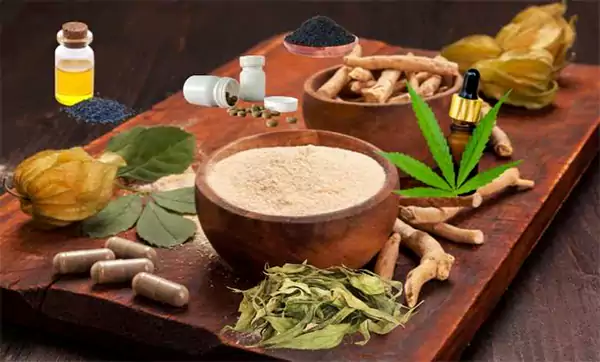
Ayurveda originated in ancient India but now influences the entire globe, and for all the right reasons. The drastic shift towards the natural form of healing is due to the aim for a deeper level of therapy than allopathy can offer.
It can be said without doubt that Ayurveda is a way of life for so many people around the world, and that alone is reason enough to raise a significant question that does Ayurvedic medicine have side effects? Because the internet-led blind trust can cause concern later.
To all the Ayurveda fanatics, this comprehensive guide is all one needs to know about the limits of Ayurvedic medicine consumption.
- What are Ayurvedic Medicines, and why are they the New Normal?
- What are the Advantages of Ayurvedic Medicines?
- Does Ayurvedic Medicine have Side Effects?
- 7 Key Considerations Before Taking Ayurvedic Supplements for the Best Results
- Scientific Claims About the Ayurvedic Medicines
- Common Concerns About Ayurvedic Medicine Side Effects
- Wrapping Up
- FAQs
What are Ayurvedic Medicines, and Why are They the New Normal?
Ayurveda has existed for more than 5,000 years as a natural form of healing that focuses more on a holistic approach for the treatment of the root cause rather than just the symptoms.
It involves consuming homemade remedies along with physical healing through yoga, which is an all-inclusive care of the illness.
The world has seen the growing favouritism towards Ayurvedic supplements for their natural components and potentially fewer side effects and long-term effects.
According to ScienceDirect, there have been efforts by the Indian government to integrate allopathy and Ayurveda, but it has not been possible due to regulatory gaps. Although the general public, without much knowledge, still relies on the latter.
Before exploring whether this blind trust is appropriate, let us dive into the advantages of Ayurvedic medicines.
What are the Advantages of Ayurvedic Medicines?
The advantages of relying on Ayurvedic medicines are their natural potency and easy accessibility at home, as most of the Ayurvedic remedies are easily constituted using natural ingredients.
Go through the following list and explore how Ayurveda restores energy and immunity naturally.
Personalised Treatment
Unlike the standard medicinal treatment, Ayurveda has a more personalized strategy that takes into consideration the unique physiological attributes of each person, like the three doshas.
Here is a tabular explanation for better analysis:
| Doshas | Attributes | Treatment |
| Vata | Air and Ether | Vata dosha treatment is centered around a more intense diet and activities that keep the body warm. |
| Pitta | Fire and Water | Individuals with pitta dosha symptoms are more irritable, and hence, meals with a cool potency are prescribed. |
| Kapha | Water and Earth | Kapha dosha imbalance can cause weight gain and is often treated by warm and dry food items. |
Treatment of the Root Cause
As the focus of this natural form of healing is on personalized treatment and curing the imbalances of the doshas, the root cause of the illness is taken care of and not just the external symptoms, like using the panchakarma supplements and more.
For instance, the neem leaves are an active ingredient used to balance the kapha and pitta doshas, but regular consumption also helps in aiding digestion and boosting immunity.
Accessible and Affordable
Most of the Ayurvedic supplements and herbs are easily available at home, like tulsi, honey, ginger, cinnamon, and more. In fact, I have grown up consuming home remedies for coughs, colds, and fever. Not only were they effective, but they also boosted immunity for a long time.
Like neem juice, it works wonders for immunity and helps reduce inflammation.
Safe for Long-Term Consumption
As compared to the chemical-based medicines, Ayurvedic supplements are much safer, more reliable, and fit for long-term use without any potential health risk if consumed mindfully.
More than a timely medicinal dosage, Ayurveda is a lifestyle and a habit that only leads to better health.
Does Ayurvedic Medicine have Side Effects?
Ayurvedic medicines have been a center of research due to their high concentrations of lead and toxic metals and other potential side effects, which often go unnoticed due to the blind faith and dependence of people across the world.
If you are new to the Ayurvedic world, I am sharing some potential disadvantages of Ayurvedic medicine that might cause more harm than you can imagine:
Metal Toxicity
According to the research by NCBI, 252 Ayurvedic supplements were assessed for metal toxicity, and the results revealed 65% lead and 32% arsenic were found in the assessed samples, which raised serious concerns regarding the same.
The presence of such toxins could be due to adulterated formulations or the Rasa Shastra belief, which is the purification of the metals and their use in ayurvedic medicines to treat chronic diseases in a faster and much more efficient manner.
Digestive Issues
Although consumed to cure digestive issues, the overconsumption of the same can lead to much gastrointestinal damage, diarrhea, and nausea.
Once, a doctor told me that overconsumption of Gond Katira can cause bloating and other digestive issues.
Allergic Reactions
An Ayurvedic lifestyle is great for the skin and hair, but over time, unmonitored consumption can cause rashes and skin allergies.
Guggul (Commiphora wightii) has caused urticarial rashes upon consumption, as recorded by the NCBI.
Taking Wrong Supplements
One shoe surely does not fit all in Ayurveda, as the treatment is based on the individual prakruti, hence, self-diagnosis and self-prescribing can lead to severe health complications.
For example, Ashwagandha is good for balancing the Vata dosha but harmful for the Pitta dosha due to its hot potency.
Organ Failure due to Incorrect Dosage

The Chakra Samhita, a book on Ayurveda, mentions that a drug used inappropriately can become poison and vice versa, and that encapsulates the gist of this point.
Research took place at NCBI, analyzing 3 patients who were adversely affected due to the incorrect dosage of Ayurvedic medicines.
Take a look at the table for a better analysis:
| Age | Ayurvedic medicines | Side effects |
| 35-year-old woman | A powder called “puriyas” for jaundice and fever. | Fulminant hepatic failure and infective hepatitis |
| 57-year-old man | Tensarin tablets | Low heart rate, diarrhea, and depression (the dosage was stopped immediately). |
| 41-year-old woman | An unknown tablet for joint pain was prescribed by a local doctor (claiming to be an ayurvedic practitioner). | Diagnosed with rheumatoid arthritis. |
Also read: Does Jaggery Increase Weight or Aid in Weight Loss? The Truth Behind This Natural Sweetener
7 Key Considerations Before Taking Ayurvedic Supplements for the Best Results
While Ayurvedic medicines have been in use for decades now, many people still do not understand the right way to approach Ayurveda as a form of therapy.
As someone who has been guided by an experienced Ayurvedic practitioner, here are 7 things to keep in mind while consuming Ayurvedic supplements:
- Consult an Ayurvedic practitioner for the best analysis of the illness; they will prescribe you a tailor-made course of medicines that will take into consideration all the prior health conditions and ongoing medications.
- The right dosage at the right time is essential. Natural remedies are often taken without much thought, but always cross-check the right time and conditions for the most effective results (before or after meals).
- Many local manufacturers produce Ayurvedic supplements that are adulterated with heavy metals that can be harmful for consumption. Therefore, it is advised to purchase only GMP-certified products.
- Make your diet and medicinal consumption as per your dosha. In case you have an imbalance, treat it accordingly. Avoid food items and activities that trigger the dosha imbalance.
- Do not leave your course of medicine midway, as that can lead to worsening symptoms and will not completely heal the root cause.
- Make sure the Ayurvedic medicines do not react with the allopathic medicines, and therefore consult an expert before consuming any such supplements, even as home remedies, especially if you are suffering from any chronic diseases.
- Ayurvedic supplements do not work overnight but gradually over the course of time, and hence, it is important to trust the process and not overdose or go overboard with the supplements for faster results.
| Bursting the myth Many people believe that Ayurvedic medicines do not have an expiry date. But that is incorrect, as they have Saviryata Avadhi, or a shelf life during which the supplement is the most effective. |
Scientific Claims About the Ayurvedic Medicines
Science has always credited the effects and benefits of Ayurveda and, at the same time, called out its potential risks. Research is significant to test the efficiency of anything used so blindly.
Therefore, I have researched and summarized this lab research about the Ayurvedic products’ side effects.
| Research summary box 1 Study year: 2015 Aim: Analysis of lead poisoning amongst Ayurvedic medicine consumers. Sample type: 115 consumers of Ayurvedic supplements. Key findings: After the blood test of these 115 people, it was observed that:
|
Common Concerns About Ayurvedic Medicine Side Effects
While scrolling through Reddit, I came across some common user concerns and opinions that need to be addressed for better clarity about the myths that might be circulating on the internet like wildfire.
1. Beware of Ayurvedic treatments.

- Yes, the Reddit user is right. It is important to consult a real Ayurvedic practitioner and not trust any local “self-proclaimed” doctor.
- Only a real Ayurvedic doctor can prescribe all the right medicines to you. In case you still have a doubt, consult your medical doctor to cross-check the side effects of your medicines with the ongoing ones.
- An authorized doctor will be registered with the NCISM and will hold a BAMS (Bachelor of Ayurvedic Medicine and Surgery) degree.
2. Can’t take Haritaki without side effects

- Haritaki works wonders for depression and helps calm the mind.
- Although in such cases of depression attacks that are also triggered by consuming haritaki, even if it is not the root cause, it is advised to consult an Ayurvedic practitioner for the best analysis of the situation.
- Since the person is unaware of the root cause, do not take non-medical advice, as it can trigger the condition further.
3. Will the side effects from Ayurveda go away?

- Yes, the side effects caused by Ayurvedic medicines are generally temporary and can be adjusted and cured by stopping the medications and managing the diet.
- However, toxic metal poisoning can cause serious health concerns and should be assessed only by a certified Ayurvedic practitioner.
Wrapping Up
To learn what is Ayurveda? And how it helps in a healthy lifestyle is more than just a few home remedies for cough and cold. Ayurveda is a lifestyle that needs to be adapted and cannot be left midway.
In my journey of following ayurvedic principles and consuming natural remedies, I have come to realize the limitations of natural healing as well.
My advice to beginners, querying does Ayurvedic medicine have side effects, would be not to trust blindly and always take professional advice. While the world is growing more familiar with the ayurvedic world, misinformation travels faster than facts. Stay aware and healthy.
FAQs
Q1: Can Ayurvedic medicine have side effects?
Ans: Although Ayurveda is generally safe to consume, inappropriate usage can cause minor to severe health complications.
Q2: What is the main cause of Ayurvedic medicines’ side effects?
Ans: One of the main reasons for ayurvedic medicines’ side effects is not consulting an ayurvedic doctor who would treat you based on your prakruti.
Q3: What to keep in mind before taking Ayurvedic medicines?
Ans: Keep in mind your dosha and the imbalances so that the underlying issue is not complicated or triggered because of the supplements.
Q4: Is Ayurveda better than allopathy?
Ans: No form is “better” than another, as they have different purposes and function differently. While allopathy is faster and better for instant relief from the symptoms, Ayurveda focuses more on inner healing.
Q5: How to prevent Ayurvedic medicine side effects?
Ans: The best way to prevent Ayurvedic medicines’ side effects is to consult a certified practitioner who is authorized to prescribe the right medicines and treatment for your illness based on your unique lifestyle.