Ayurveda, the ancient Indian system of natural healing that promotes better immunity and balanced living. Ayurveda is not a single term; to understand the full concept of it, you should start with the basics, like Panchkarma cleansing, understanding the powerful herbs like Goskhsura, Shilajit, Brahmi Vati, Haridrakhand, Thriphala, and more.
So, whether you are curious about the natural remedies or simply exploring Ayurveda for the first time, this guide has all the insights.
What is Ayurveda?

Ayurveda is an ancient Indian medicinal system that focuses mainly on balancing the body, spirit, and mind. It promotes general well-being and treats a range of illnesses by combining nutrition, herbal medicine, and lifestyle routines like yoga and meditation.
As believed by many Ayurveda practitioners and stated by Vaidyas, Ayurveda is centered more on treating the root cause of the health problem rather than treating the symptoms.
| Ayurveda uses the concept of doshas to resolve the health issues of individuals. These doshas are Vata, Pitta, and Kapha (the fundamental biological energies of humans), to understand the behavior of body type, digestion, sleep, stress response, and metabolism |
If you are someone who is new to Ayurveda or looking to learn more about it, a beginner’s guide on Ayurveda can help you start your journey. But prior to hopping on Ayurvedic herbs’ usage and benefits, you necessarily need to learn what panchkarma is.
Ayurveda Panchakarma Guide

Ayurveda Panchkarma is an ancient detoxification treatment that mainly uses 5 different methods, namely Vamana, Virechana, Vasti, Nasya, and Raktmokshana, to detox the human body. This revival therapy aims to cleanse the human body from toxins (“ama” in Sanskrit) and balance the doshas (Vata, Pitta, and Kapha).
- Vamana: Used for chronic cough, asthma, allergies, and congestion by removing the excess Kapha from the chest, lungs, and stomach.
- Virechana: Helps with acidity, skin issues, migraines, and liver disorders by removing excess Pitta toxins from the liver, gallbladder, and intestines.
- Vasti: Helps with constipation, joint pain, arthritis, and back pain by using herbal oils or decoctions, based on the condition.
- Nasya: Used for sinusitis, headaches, migraines, and allergies by cleaning toxins from the head, sinuses, and brain region.
- Raktmokshana: Removes blood toxins for skin and inflammatory disorders and is useful for acne, eczema, psoriasis, and abscesses.
And this is just the brief of the topic; you need to delve more into Ayurveda Panchkarma and learn more about it, like its benefits, diet, easy recipes, etc., to deeply understand it.
How to Choose the Right Ayurvedic Supplement?
People are eagerly seeking complete guides on choosing Ayurvedic supplements for themselves, but people don’t know that the effectiveness of Ayurvedic supplements highly depends on an individual’s dominant dosha. If you are planning to opt for Ayurveda just after listening to someone else’s case, that might not be as effective for you.
- If you are Pitta dominant, you need herbs that can cool down the body and have anti-inflammatory features, like Haridrakhand, Brahmi Vati, and Mulethi.
- People with Vata types should go for grounding and anabolic herbs, like Gokshura, Shilajit, Yashtimadhu, and Thiripala.
- If you have a slow metabolism and a tendency to gain weight, or say Kapha dominance, metabolic-enhancing and drying, energizing herbs are suitable for you. These herbs include Gokshura, Shilajit, and Triphala/Thiripala.
Let’s see what these herbs are and why they are associated with specific doshas.
Gokshura

Gokshura is an Ayurvedic herb popular among Ayurvedic practitioners for improving strength, stamina, testosterone levels, and muscle recovery. The benefits of Gokshura are considered one of the best choices for balancing Vata dosha, as it is a natural coolant, enhances strength, and hydrates the body.
Before directly starting to use the Gokshura, people should look at its ideality, as Ayurveda doesn’t have any side effects, which is just a myth.
Ideal for:
- People with kidney stress, weak urine flow, UTI history
- Individuals wanting lean muscle gain without fat gain
- Gym-goers seeking natural strength/performance
- Men with low energy,and low vitality
Avoid if:
- You have a severe kidney disease.
- You are pregnant.
- You’re on diuretics.
Due to its lean muscle-gaining properties, Gokshura vs Ashwagandha has become a debate topic for people comparing these two for bodybuilding. Ashwagandha supports stress reduction, recovery, and stamina, while Gokshura focuses more on enhancing muscle strength and performance.
You can also blend Ashwagandha and Gokshura for bodybuilding and can witness combined benefits. But make sure to consult an Ayurvedic practitioner about it.
Shilajit
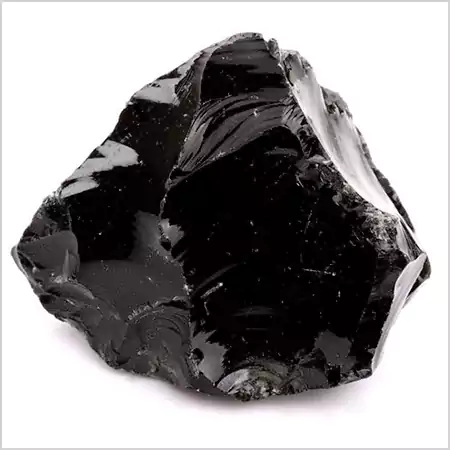
Shilajit is another herbal medicine that oozes from rocks in high mountain ranges and is formed over centuries from the slow decomposition of plant matter.
It is recommended in Ayurveda for individuals who witness issues like low Ojas, like weakness, low immunity, slow recovery, and stress-related exhaustion. It is also a highly discussed topic for Shilajit vs Ashwagandha, as its benefits are similar to those of Ashwagandha.
One of the most evident outcomes of Shilajit is found to be boosted testosterone, which results in males benefiting the most from Shilajit. Along with this, you can also witness an increase in muscle mass after continuous use over a long time.
Brahmi Vati
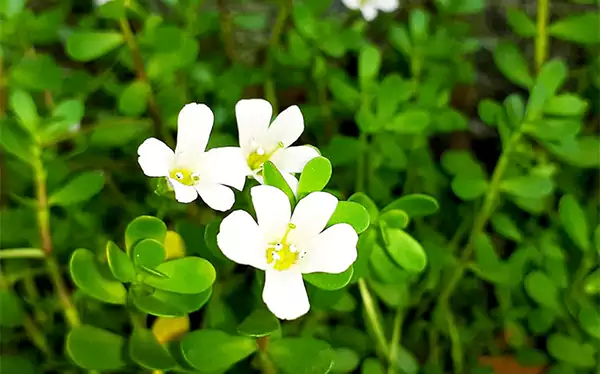
Brahmi Vati is an ayurvedic herbomineral medicine like Gokshura that supports cognitive function, memory, and mental clarity of the brain.
The benefits of consuming Brahmi Vati include cooling down the nervous system, sharpening focus, and reducing mental fatigue.
Due to its wide range of benefits, it is mostly consumed by students and professionals who experience stress, restlessness, or distraction.
If you are looking to start using it, consult a practitioner first, as it might not be the right supplement for your dosha.
Ideal for:
- Most suitable for people with high Pitta dosha or who experience irritability, anger, or headaches.
- People who are finding ways to improve their focus, concentration, meditation depth, and sleep quality.
Avoid if:
- You have very low blood pressure.
- You already take strong sedatives, antidepressants, or anti-anxiety medication.
- You have naturally very low mental alertness or a sluggish Kapha-type mind.
- You’re pregnant or breastfeeding.
Sarpagandha
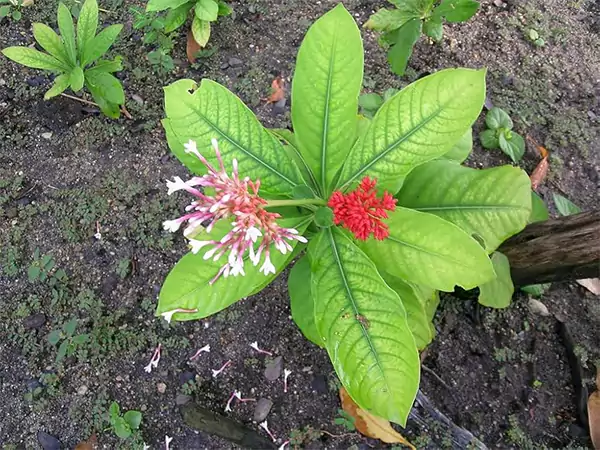
Sarpagandha is also an ancient Ayurvedic medicine that is known as the Indian snakeroot or devil pepper. It is famous among practitioners for supporting high blood pressure, anxiety, and disturbed sleep.
You might see people with hypertension (high blood pressure), anxiety, and insomnia consuming it often, which leads to people also naming it Pagla ka dawa (Medicine for the mad).
Ideal for:
- People with high blood pressure.
- Individuals who often face issues like anxiety, restlessness, irritability, or racing thoughts.
- Pitta dominants
Avoid if:
- You have low blood pressure.
- You are pregnant or breastfeeding.
- You are on antidepressants, antipsychotic medicines, and strong sedatives.
- You are kapha dominant.
Yashtimadhu
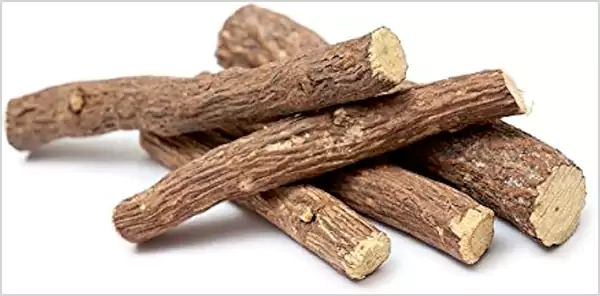
Yashtimadhu, or say Mulethi, is one of the most effective and used Ayurvedic herbs, which is used for acidity, sore throat, cough, and stomach inflammation. People not familiar with it often compare it with Mulethi without knowing that Mulethi is another name for Yasthimadhu.
Yasthimadhu’s nature for helping in acidity, sore throat, etc., leads to people comparing it with triphala. It coats the stomach lining, helping heal acidity, gastritis, reflux, and ulcers.
Ideal for:
- People with acidity, acid reflux, gastritis, or burning sensation.
- Those suffering from cough, sore throat, hoarseness, or dryness.
- Individuals with Pitta aggravation.
- Individuals using Haridrakhand for allergies but needing extra throat/stomach soothing.
Avoid if:
- You have a high blood pressure issue.
- You’re on steroid medications.
- You have kidney issues or water retention.
- You consume a very high–sodium diet.
- You’re pregnant or lactating.
Haridrakhand
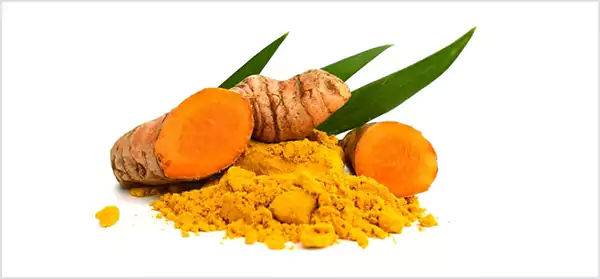
When it comes to classic Ayurveda medicines, Haridrakhand is up there. This formation is used for allergies, itching, sneezing, skin reactions, and respiratory inflammation. Its main ingredient, turmeric (Haridra), acts as a powerful anti-allergenic and anti-inflammatory agent.
Unlike Yashtimadhu, which creates a soothing protective layer for the throat and stomach, Haridrakhand works deeper by calming Kapha-Pitta imbalance, reducing mucus, and easing skin irritation.
Ideal for:
- People with allergies, sinus, congestion, and respiratory irritation.
- Individuals with skin allergies, itching, and rashes.
- People with pitta and kapha imbalance.
- Those using Yashtimadhu for throat issues but require deeper anti-allergic action.
Avoid if:
- You have diabetes
- You are on blood thinners
- You have gallbladder issues
- You’re pregnant
Thiripala
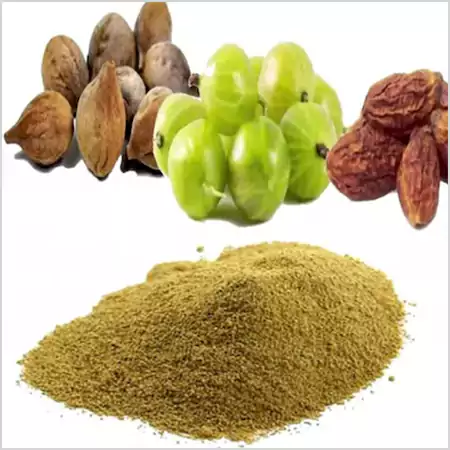
Thiripala or Triphala is one of the most trusted Ayurveda medicines for digestion, constipation, detox, and gut reset. It is formed using three fruits, Amla, Haritaki, and Bibhitaki, each targeting a different part of the digestive process.
Triphala also indirectly supports weight gain by improving nutrient absorption and removing metabolic waste, helping the body better utilize food.
Ideal for:
- People with constipation and irregular bowel movements.
- Individuals with Pitta or Kapha imbalance, causing acidity, dull digestion, and mucus buildup.
- Anyone trying to improve nutrient absorption before starting weight-gain programs.
Avoid if:
- You have diarrhoea, loose motions, IBS–D, or sensitive intestine.
- You’re extremely underweight with weak digestion.
- You’re pregnant.
- You’re recovering from recent surgery.
Ayurvedic Herbs that can Help in Weight Gain
The influence of Ayurveda has been on a continuous spike these days, leading people to also opt for it to gain weight. Now Ayurveda is not only limited to India, but foreign bodybuilding influencers are also including Ayurvedic strategies for weight gain into their diet.
These strategies involve adding Ayurveda medications like Ashwagandha, Shilajit, Gokshura, and Triphala into daily use.
People are also confused about whether jaggery increases weight or not, and the answer is “Yes.” Jaggery can increase weight if consumed in excess because it’s calorie-dense and high in sugar, similar to white sugar.
Key Takeaways
- Ayurveda balances body, mind, and spirit with the adoption of healthy lifestyle, diet, and herbs.
- Panchakarma detoxifies the body and restores the dosha balance.
- Herbs like Gokshura, Shilajit, Brahmi Vati, and Thiripala support specific health needs.
- Ayurvedic remedies can aid digestion, immunity, and healthy weight gain.
Frequently Asked Questions
Q1: Is adding Ayurvedic medicines to your daily diet fine?
Ans: Ayurveda in your daily diet can help in maintaining weight, improving digestion, increasing energy, lowering stress, and fortifying the immune system.
Q2: Why do people hesitate to use Ayurveda?
Ans: People hesitate to trust Ayurveda, as its premises are not scientifically proven, but what they overlook is its positive effects on people.
Q3: Which Ayurvedic medicine is made out of gold?
Ans: Swarnabhasma is made up of pure gold, which passes through a complex Ayurvedic process of purification (Shodhana) and incineration (Marana) with herbs.
Q4: Who is considered the god of Ayurveda?
Ans: Lord Dhanvantari, a Hindu deity and an incarnation of Lord Vishnu, is considered the god of Ayurveda.
Q5: What is the oldest Ayurveda book?
Ans: Charaka Samhita is the oldest Ayurveda book, which focuses on internal medicine with deep insights into body, disease, diet, and treatment, and is considered a foundational classic alongside the Sushruta Samhita.